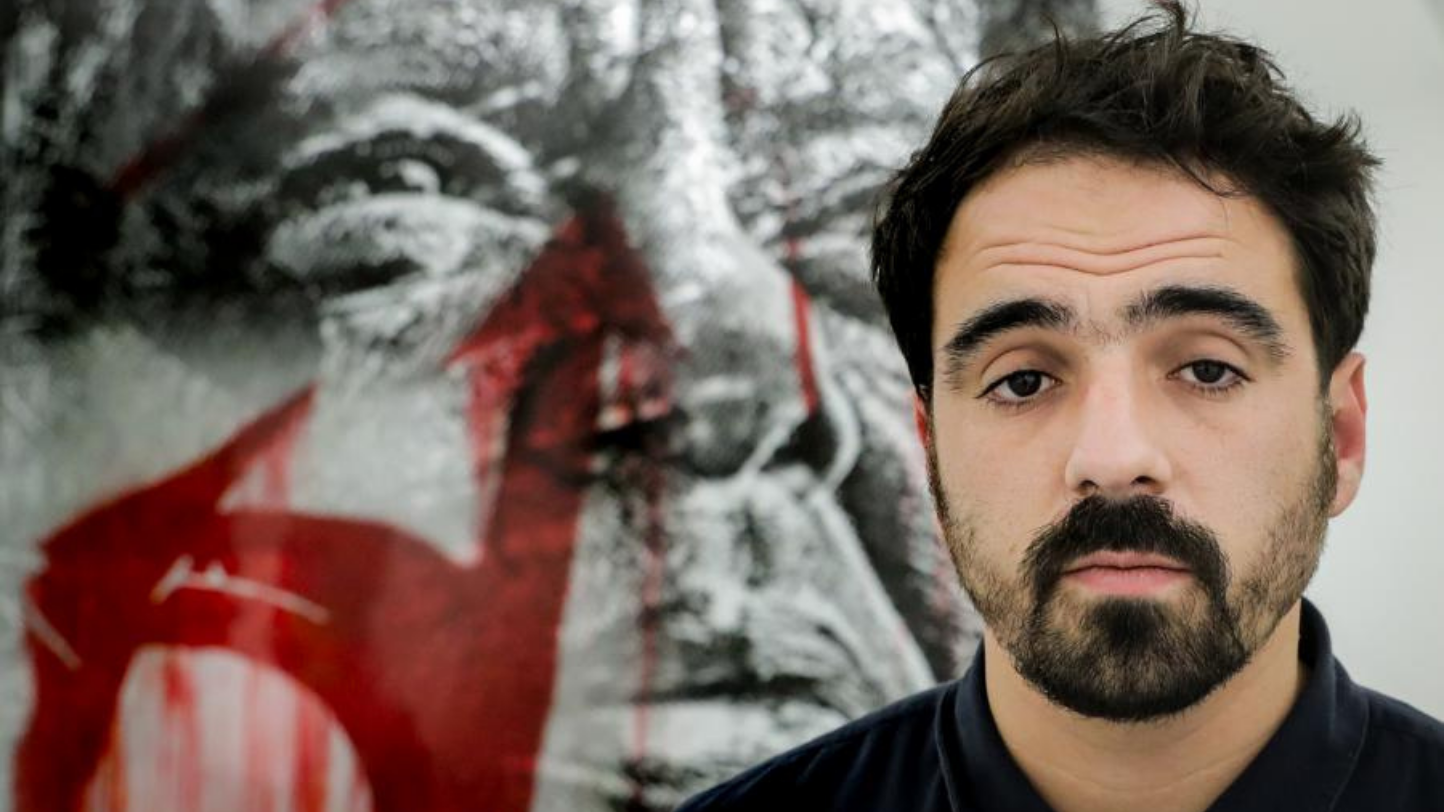
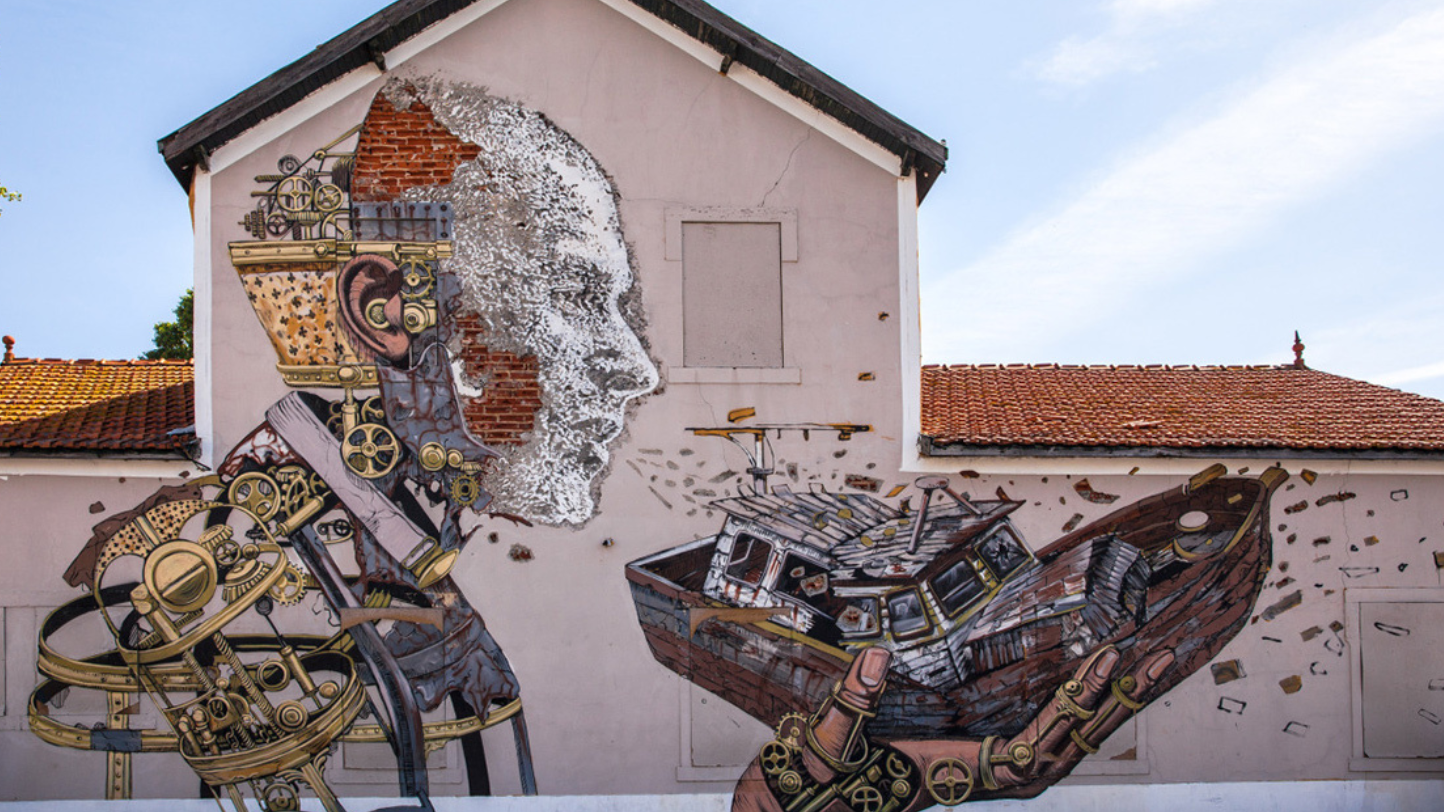
In this article, we will explore the main trends currently shaping urban art, analyzing its evolution, the challenges it faces, its growing institutionalization, and the role of the artist in contemporary society.
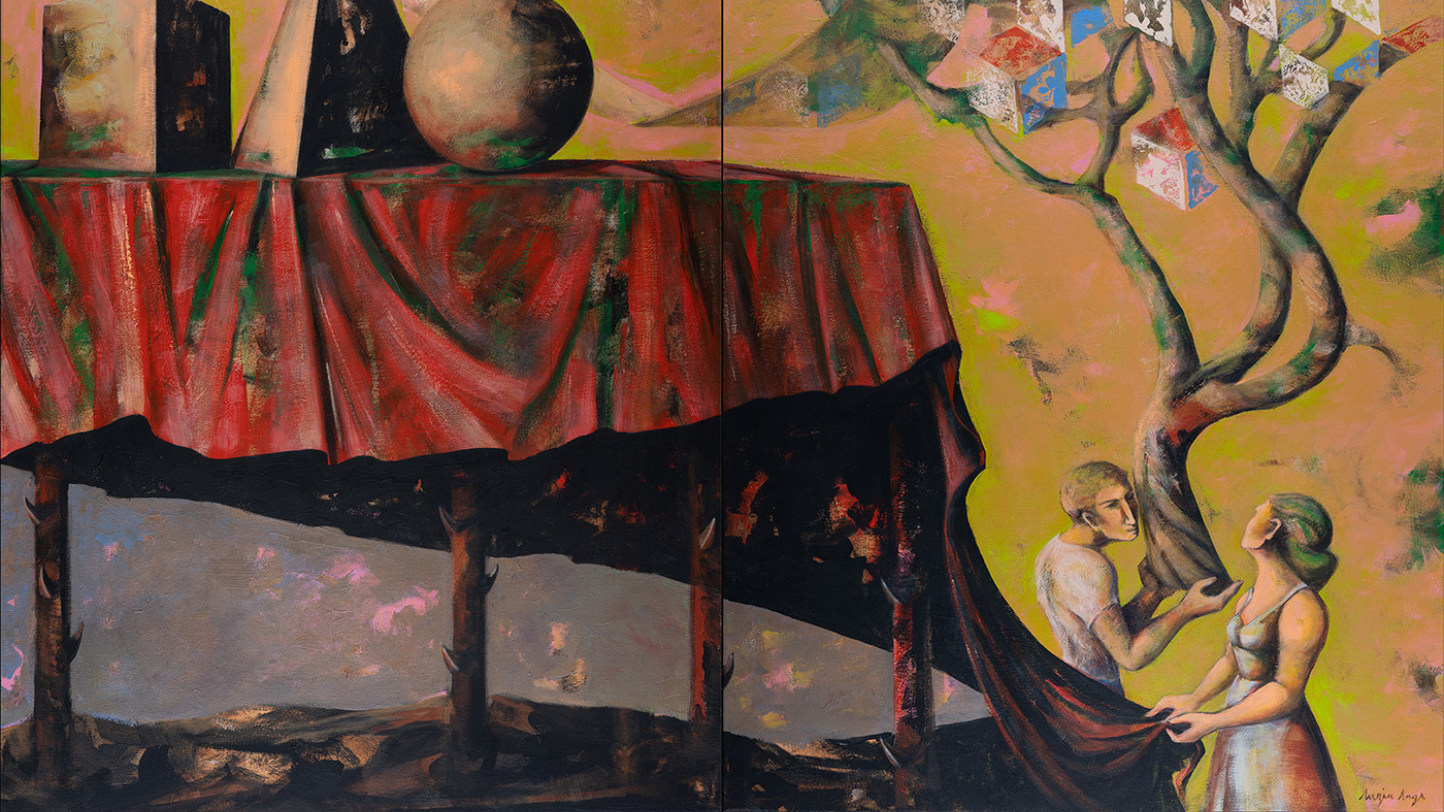

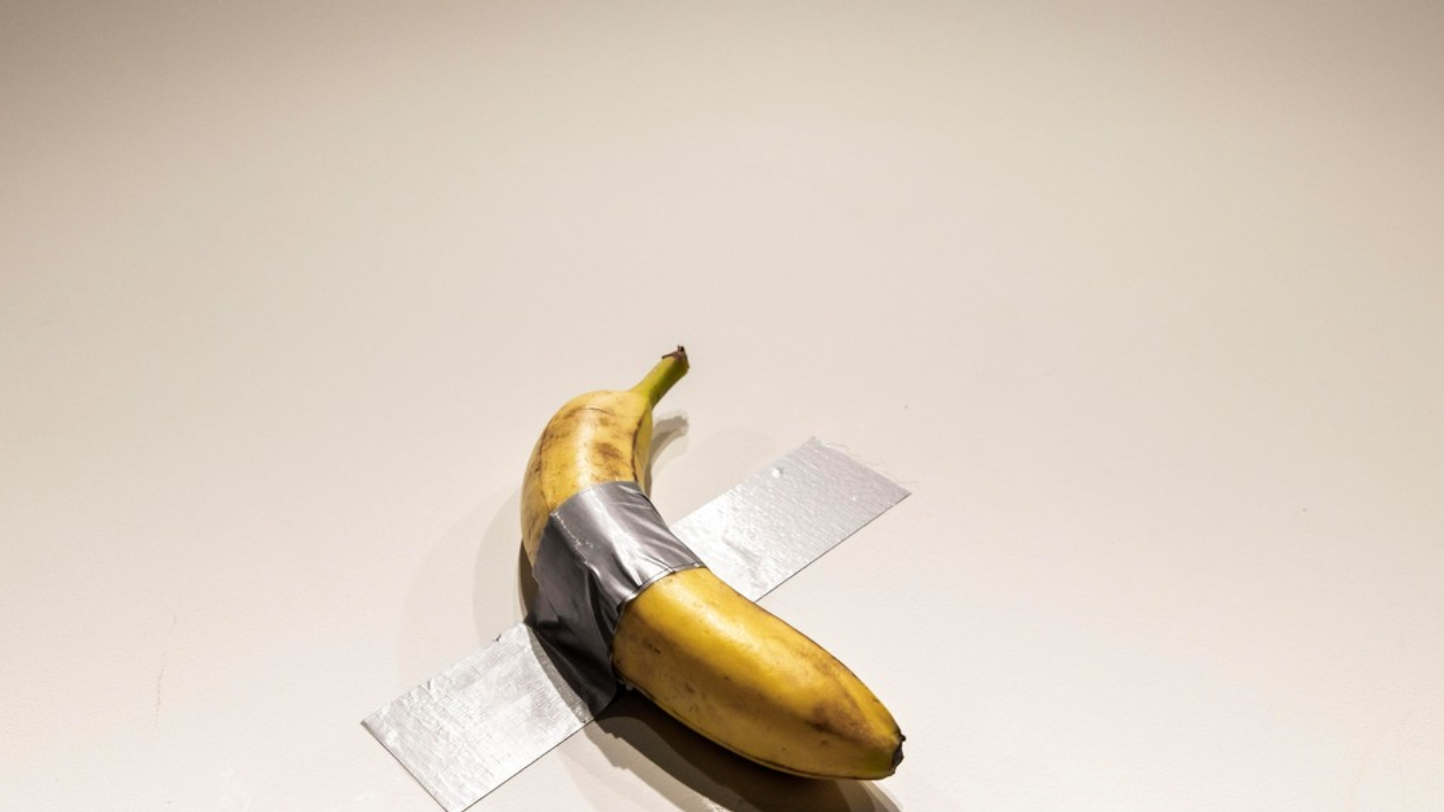
The art market is, for many, a mysterious, almost mythological territory. From exorbitant prices to artists who become millionaires overnight, there's no shortage of stories, exaggerations, and misconceptions about how this universe works. However, as in any sector, it's important to separate fact from fiction. In this article, we debunk some of the biggest myths surrounding the contemporary, historical, and commercial art market.
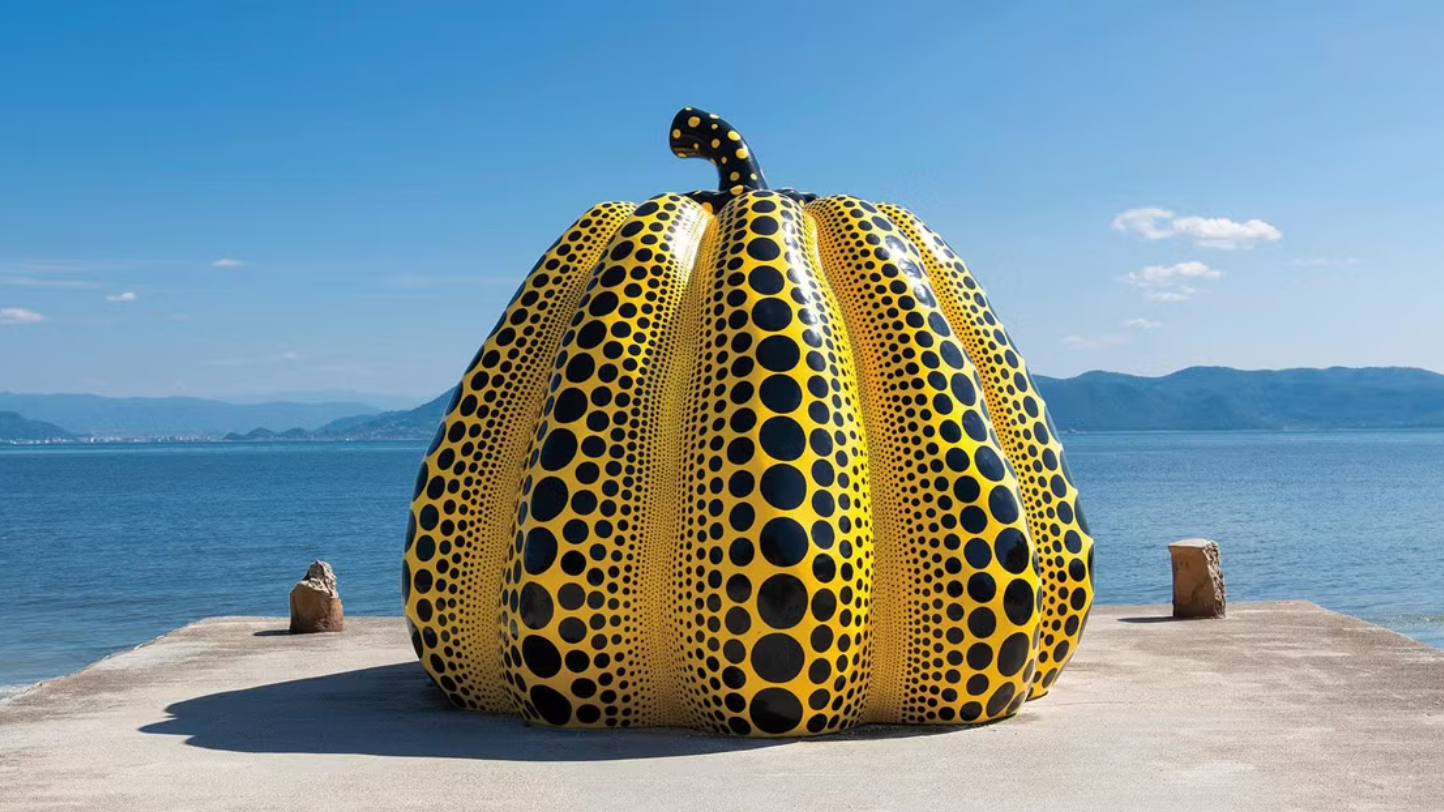
Starting to collect contemporary art is, above all, a journey of discovery and passion. With curiosity, study, and attention, you can build a collection that represents you and simultaneously values the art of our time. It doesn't matter whether you start with one piece or several! The most important thing is to take the first step and let yourself be guided by the fascination of contemporary artistic creation.
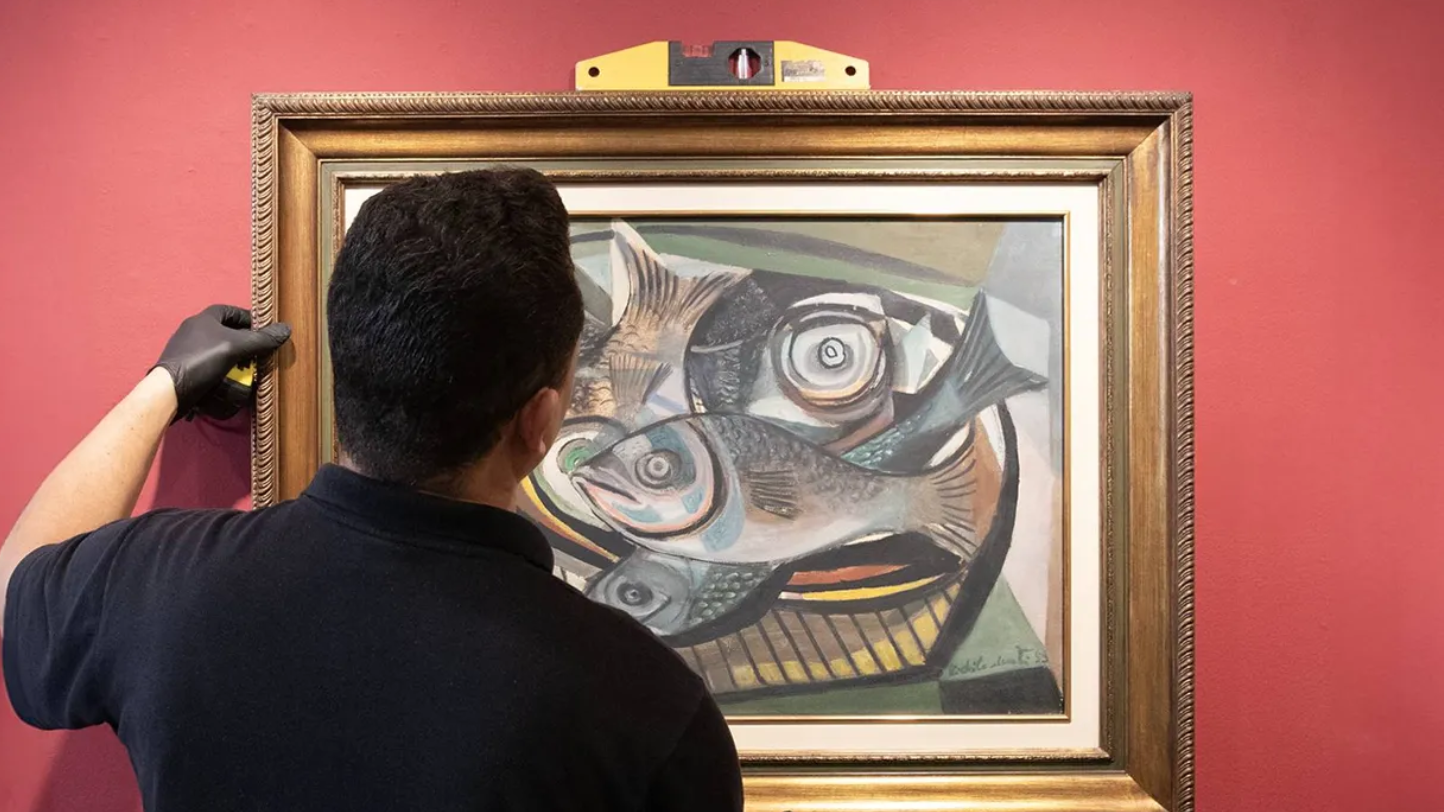
Art is much more than a form of aesthetic expression: it represents cultural heritage, historical value, and often a significant investment. Whether paintings, sculptures, photographs, prints, or installations, any piece of art requires specific care to ensure its long-term preservation. In this article, we explore best practices for protecting and preserving your art collection, from environmental monitoring to proper insurance.
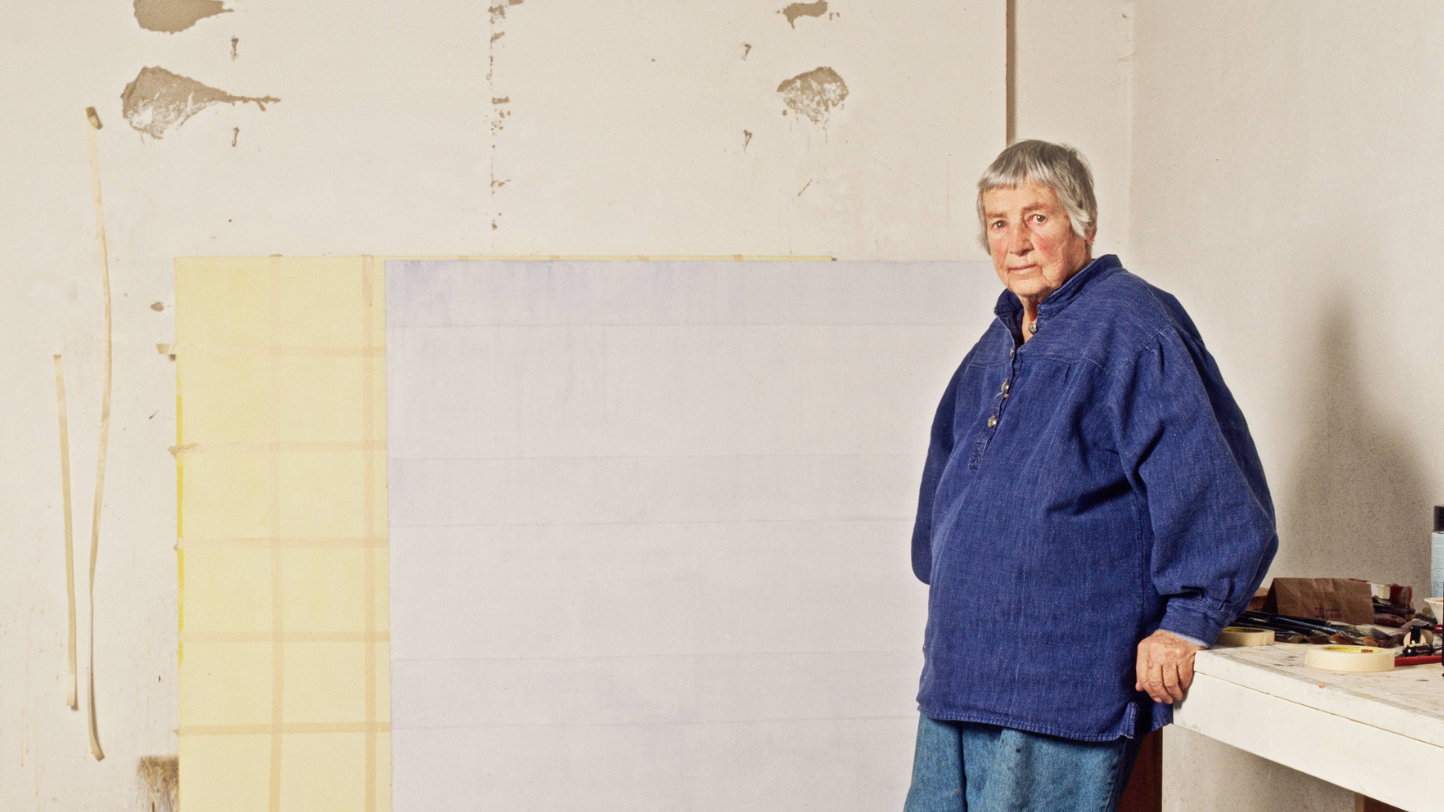

Graphic art, as an artistic expression that utilizes multiple reproduction processes such as engraving, screen printing, lithography, or digital printing, has unique characteristics that distinguish it from other forms of visual art. Among the most important elements in the world of graphic works are the author's signature and the print run (or edition). These two components not only validate the work's authenticity but also directly influence its artistic, historical, and commercial value.
In this article, we will address the meaning, function, and importance of signature and print run in graphic works, as well as the implications of these elements for artists, collectors, curators, and the art market in general.
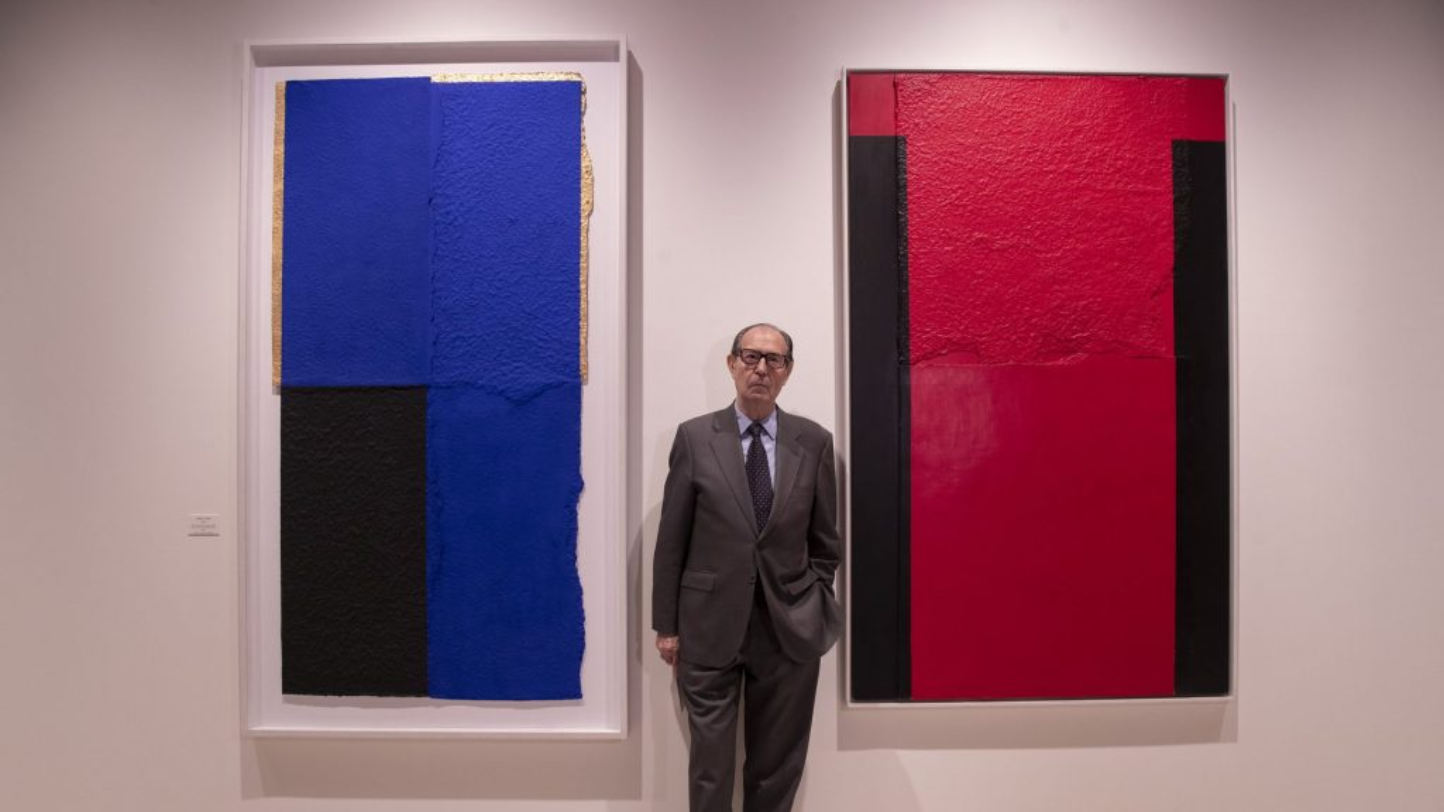
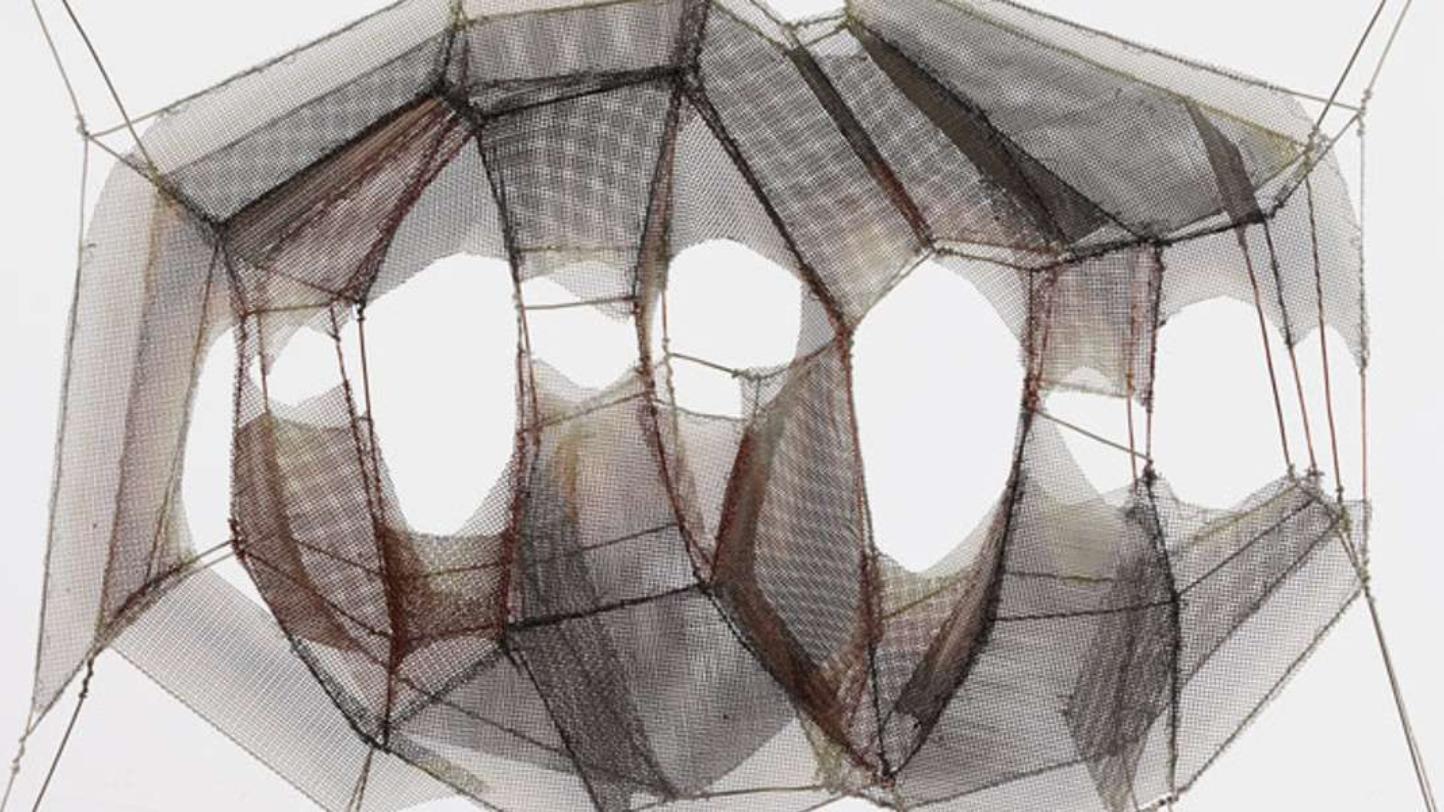
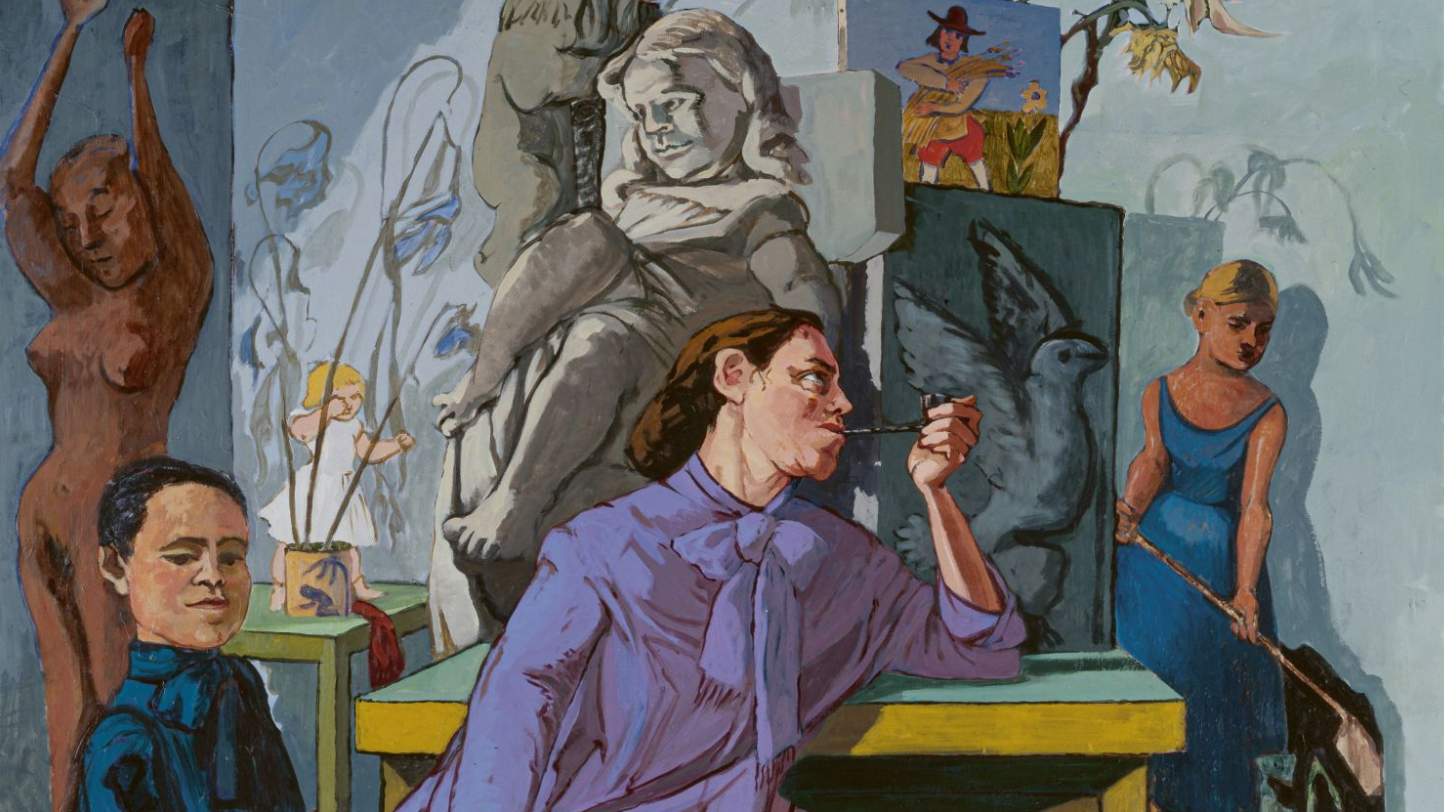
Neste artigo, exploramos como a pintura figurativa está a ser reinventada em Portugal, quem são os artistas que lideram este movimento e de que forma as novas gerações estão a reabrir um espaço de experimentação para esta linguagem.
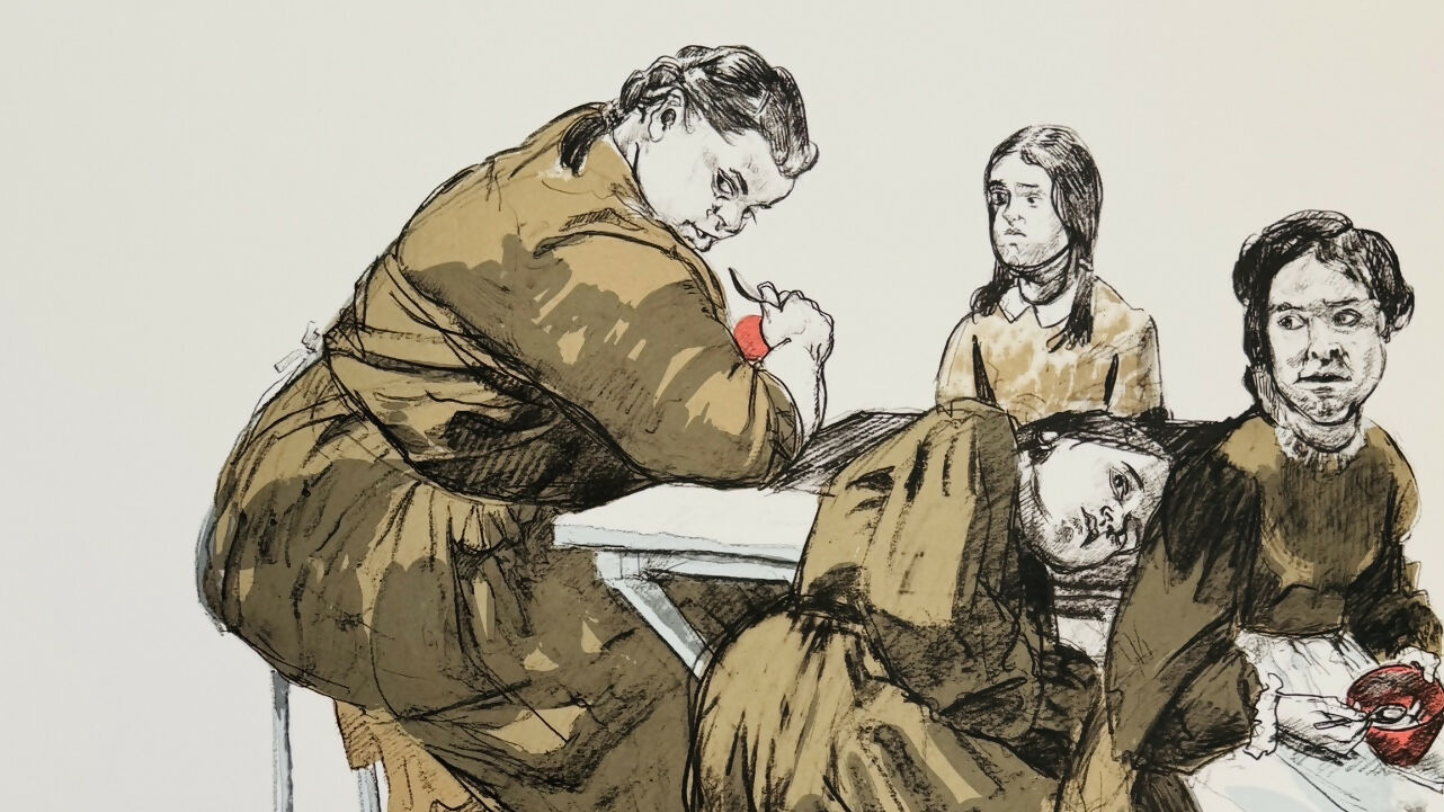
Colecionar arte é, desde sempre, uma forma de diálogo com o tempo. As obras não são apenas objetos decorativos ou investimentos: elas transportam consigo histórias, ideias e sensibilidades que ajudam a compreender o presente e a projetar o futuro. Em Portugal, a arte contemporânea tem vindo a afirmar-se como um território fértil, inovador e reconhecido além-fronteiras. Artistas portugueses marcam presença em museus, bienais e feiras internacionais, mostrando que a produção nacional se inscreve num contexto global sem perder a sua identidade.