
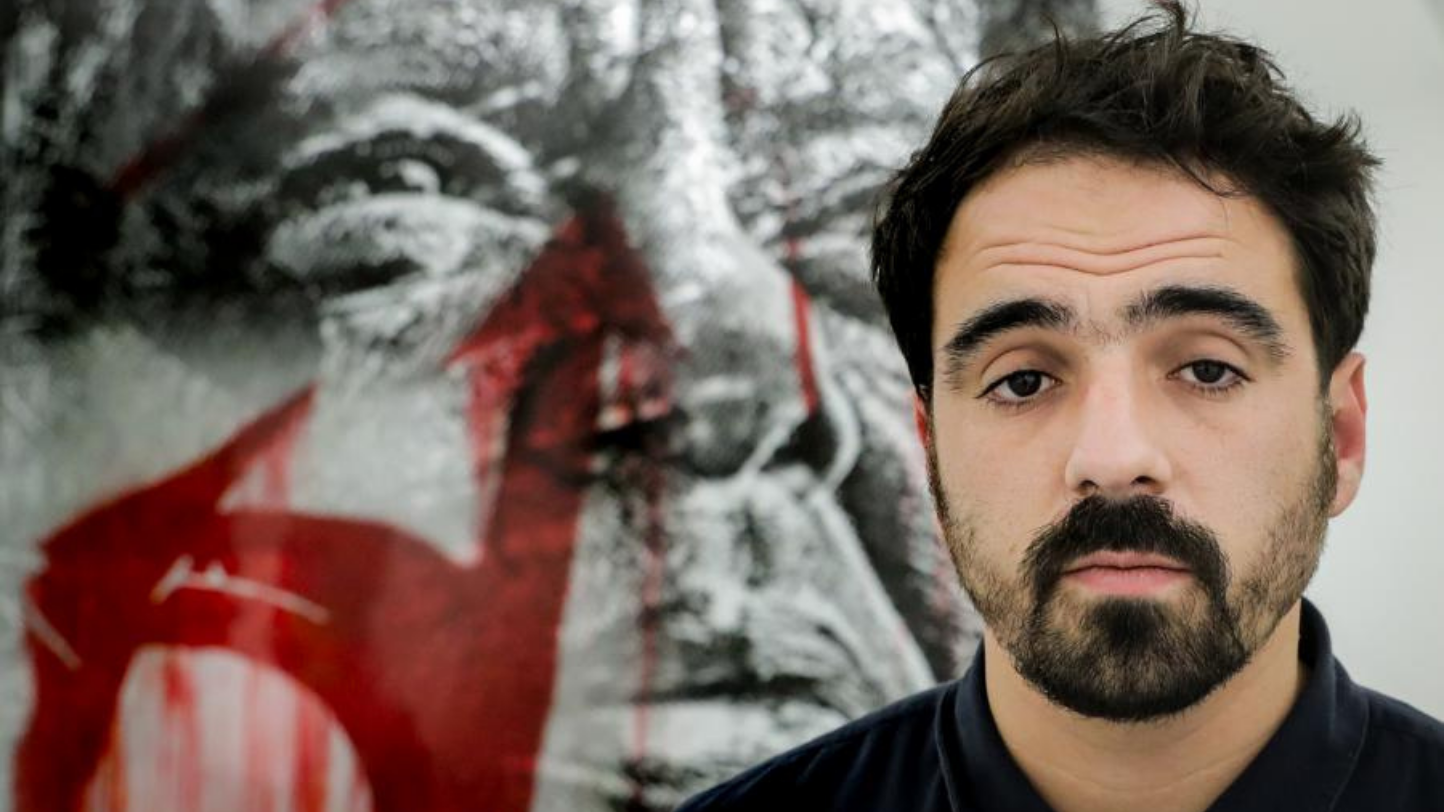

O mercado da arte, em Portugal e no mundo, tem sofrido mudanças significativas nas últimas décadas. Se antes a valorização se concentrava em nomes consagrados e galerias internacionais, hoje há um interesse crescente pelas vozes emergentes, especialmente no contexto local. Investir em obras de artistas emergentes portugueses não é apenas uma aposta financeira, mas também um gesto cultural, social e até político. É um ato que pode transformar carreiras, fortalecer a identidade artística do país e proporcionar retornos inesperados a médio e longo prazo.
Neste artigo, exploramos as razões que tornam este investimento tão relevante e promissor.


Aprenda a identificar gravuras de qualidade: técnicas, papéis, assinaturas, tiragens e dicas para reconhecer obras autênticas.


A arte contemporânea portuguesa é marcada por nomes que souberam dialogar com a tradição nacional e, ao mesmo tempo, abrir caminhos para novas linguagens universais. Entre esses nomes, destaca-se José de Guimarães (n. 1939, Guimarães), artista cuja obra é reconhecida pela vitalidade cromática, pela dimensão simbólica e pela fusão entre culturas. O percurso de José de Guimarães revela uma inquietude constante: foi engenheiro, geólogo, arqueólogo, e, sobretudo, um criador que fez da arte um território de encontro entre a memória coletiva e a imaginação.
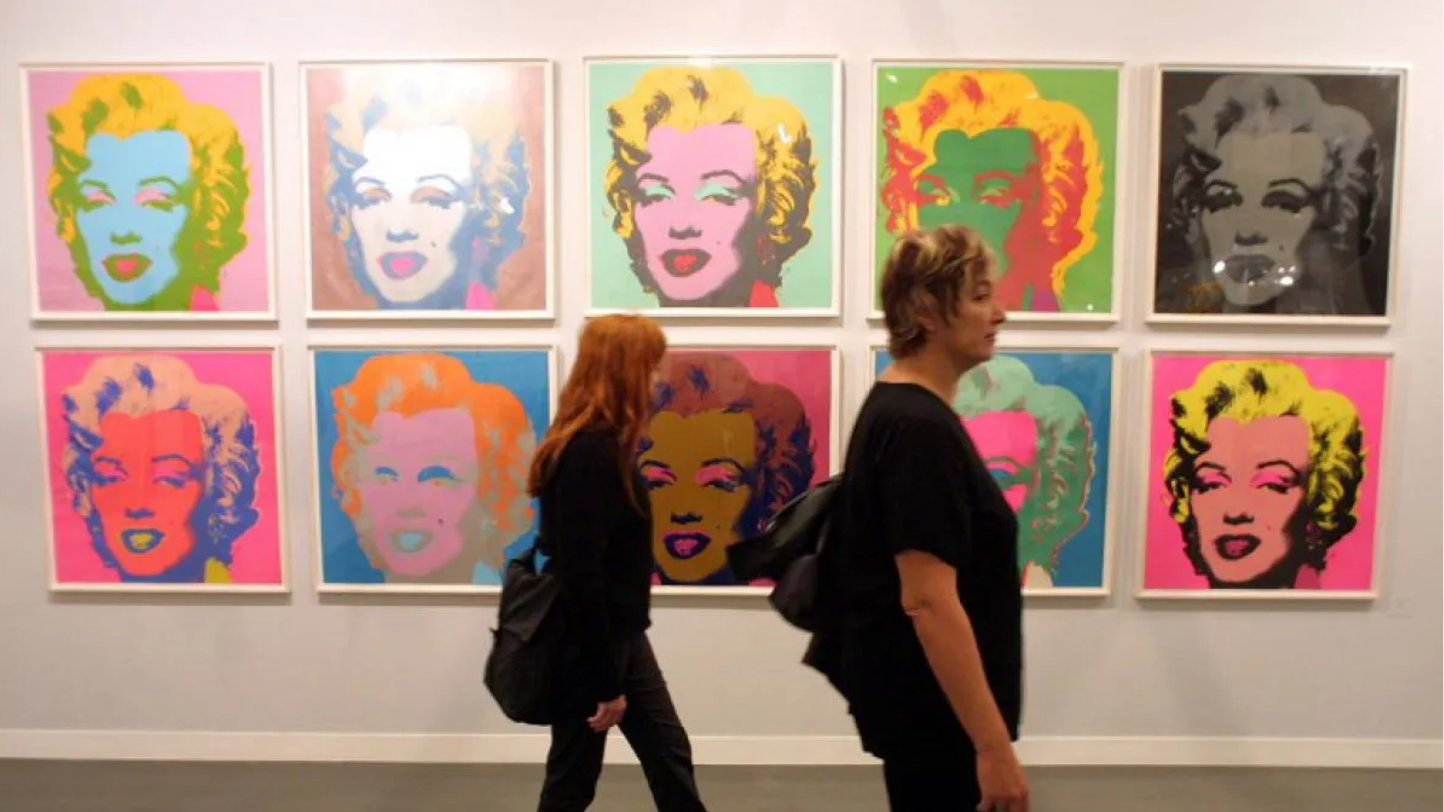
Buying art online has become increasingly popular, accessible, and convenient. With just a few clicks, you can acquire works by artists from around the world, whether emerging or established. However, despite the advantages of the digital medium, there are also pitfalls that can compromise a good buying experience, from authenticity issues to misunderstandings about the work's true value. In this article, we explore 7 common mistakes when buying art online and how to avoid them to ensure your investment is safe, informed, and satisfactory.
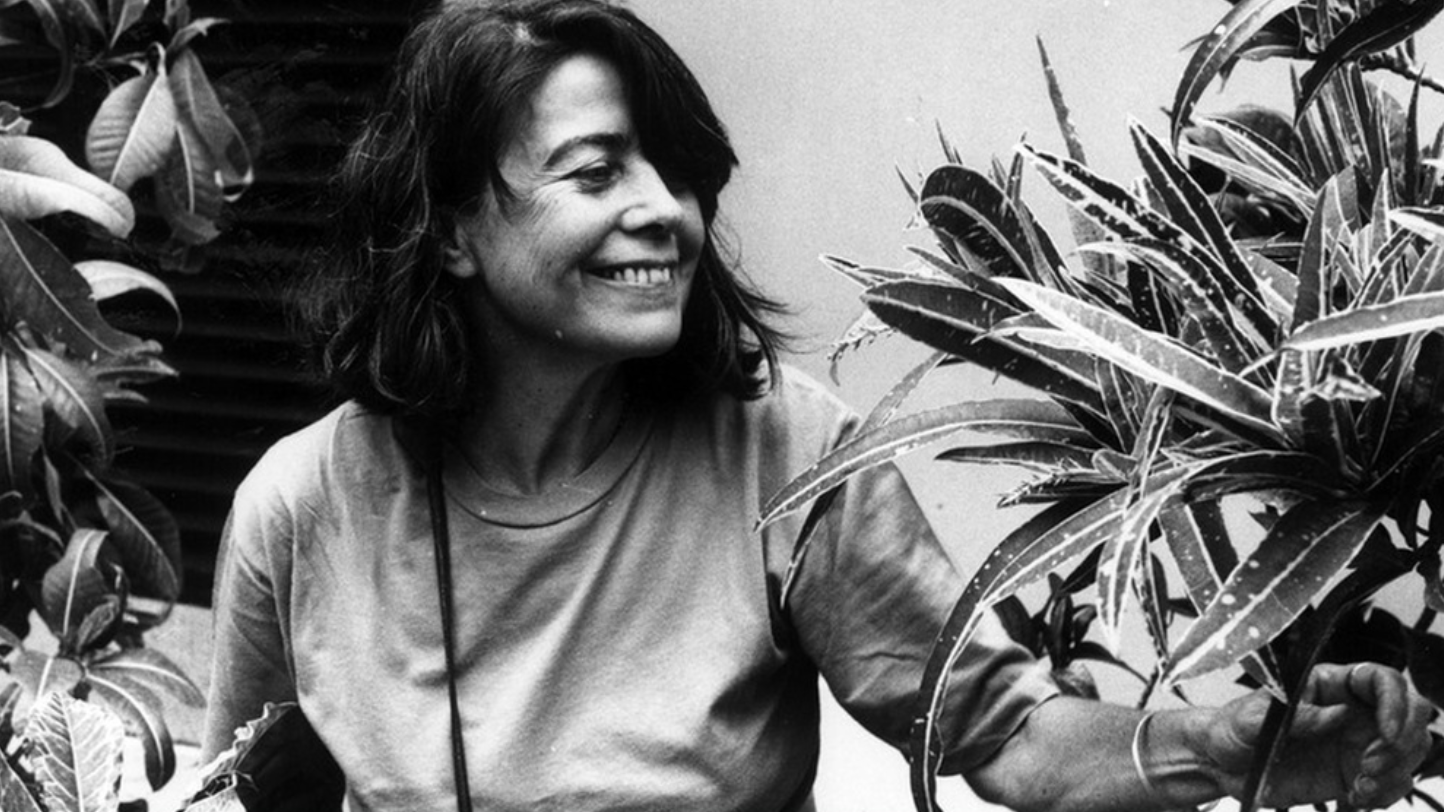
Over seven decades of creation, the artist developed a singular, profoundly poetic oeuvre that made her one of the most relevant voices of the second half of the 20th century. Her career spans artistic movements, geographies, and techniques, but always remains faithful to a central concern: the search for presence in the ephemeral, translated into the exploration of shadow as an artistic language. This article aims to revisit her life and work, contextualizing her pioneering role and the importance she assumed in the national and international art scene.