
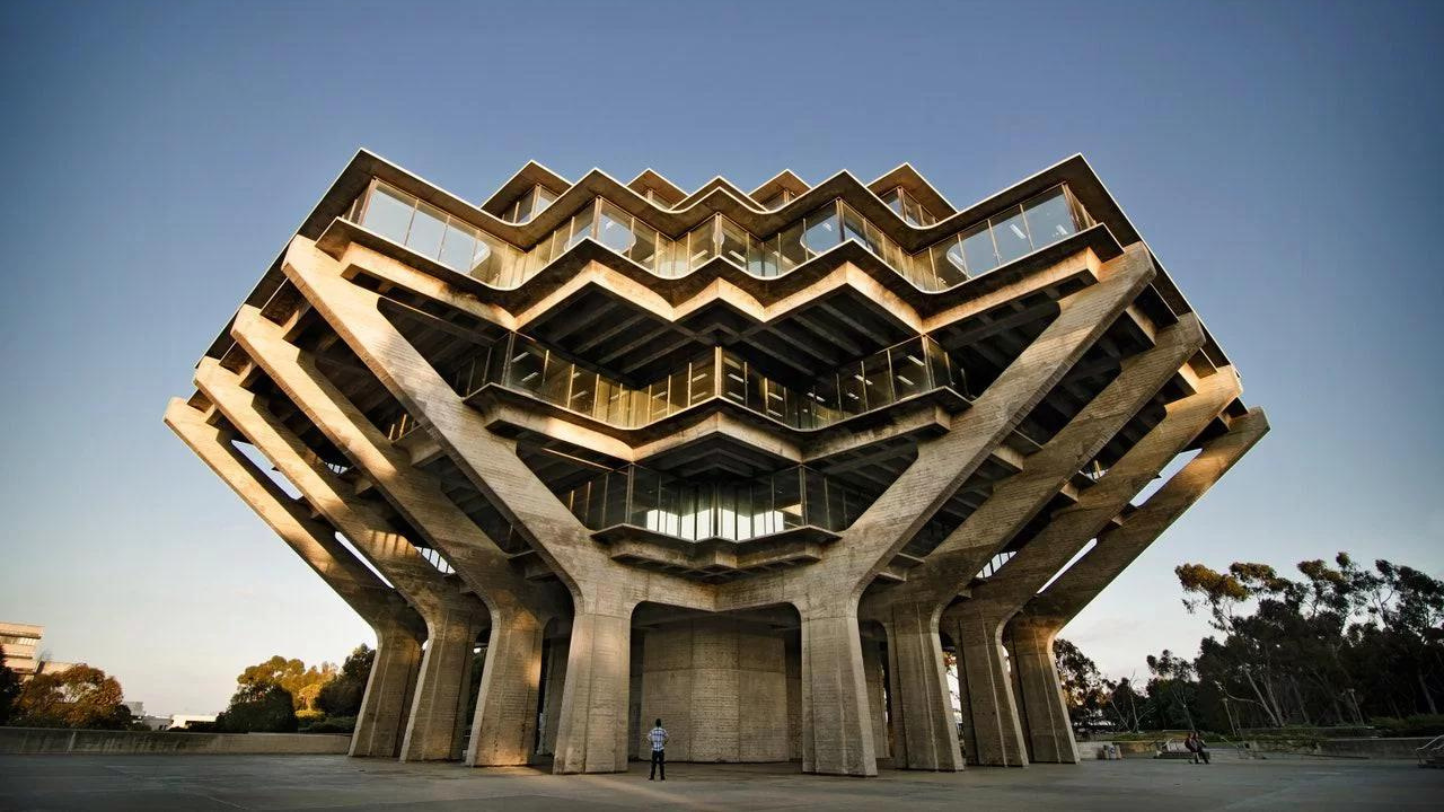

In the 1960s, many artists experimented with art that emphasized ideas about objects and materials traditionally associated with artistic creation. In 1967, Sol LeWitt wrote in his essay “Paragraphs on Conceptual Art” that “the idea itself, even if it is not visual, is as much a work of art as any finished product”. Conceptual artists use their work to question the notion of what art is and to critique the underlying ideological structures of artistic production, distribution and exhibition. Conceptual art is a movement that values ideas over the formal or visual components of works of art.

Fauvism is the name given to work produced by a group of artists (which included Henri Matisse and André Derain) circa 1905 to 1910, characterized by bold, pure colors applied aggressively directly from tubes of paint to create a sense of explosion on canvas, fierce brushstrokes. Like the Impressionists, the Fauvists painted directly in nature but the subjects were portrayed in a strong and expressive way.

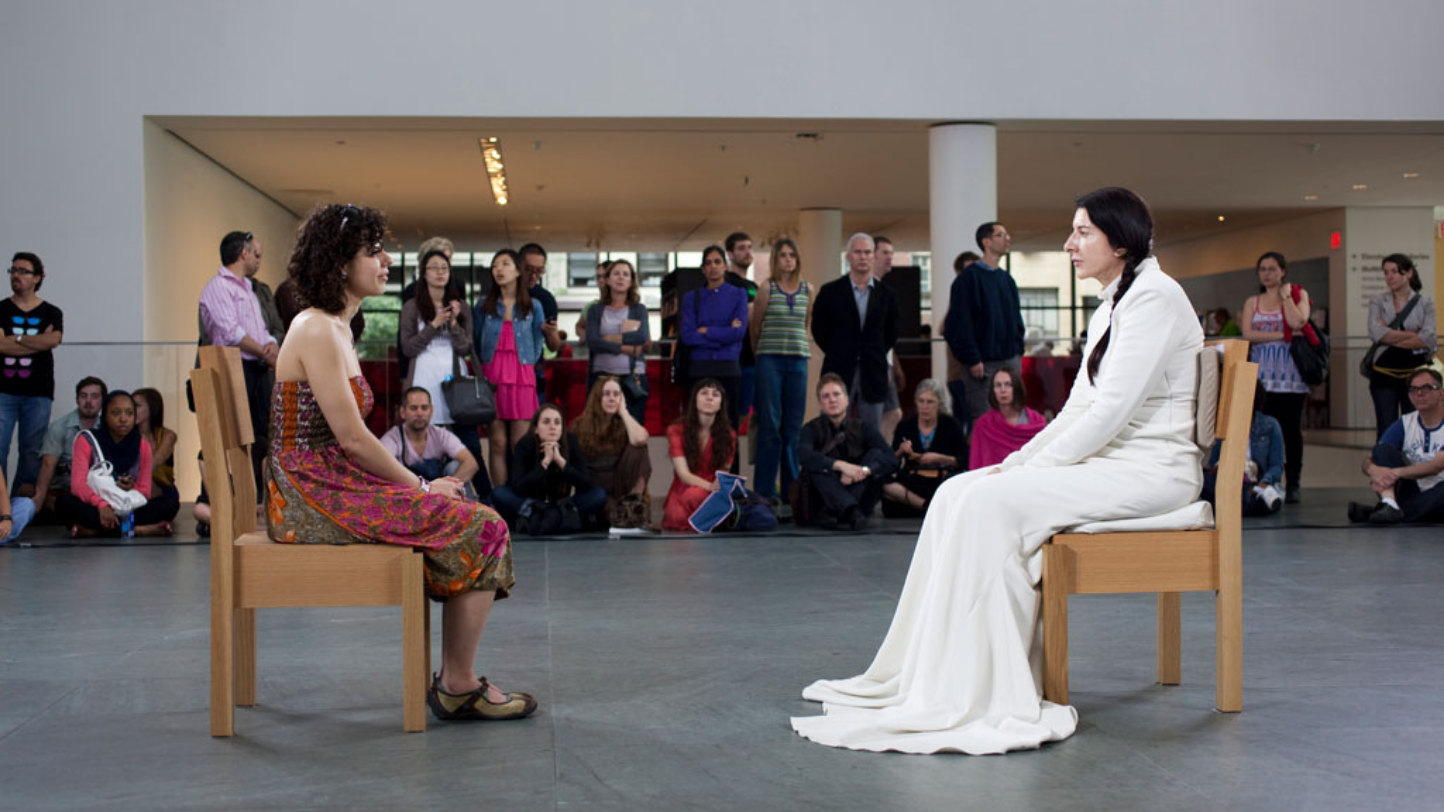
The main aim of this movement has almost always been to challenge the conventions of traditional forms of visual art such as painting and sculpture. When these modes no longer seem to respond to artists' needs - when they seem too conservative, or too enmeshed in the traditional art world and too far removed from ordinary people - artists often turn to performance to find new audiences and test new ideas. .

At the beginning of the 20th century, the Russian vanguards developed, which ended up having a notable impact on the movementsEuropean artists. The climate of political stability in Russia, but also openness after 1905, allowed the emergence of new ideas. Influenced by Cézanne and the avant-garde movements in Europe, we saw the birth of two new artistic styles in Russia, Suprematism and Constructivism.

In the 1960s, the Op art movement, also called optical art, a new branch of geometric abstract art that deals with optical illusion. This movement allowed a great development in painting by using geometric shapes to create optical effects, ambiguities and contradictions in the viewer's vision. Find out about this movement here.

Dadaism was an art movement formed during World War I in Zurich as a reaction to the horrors and madness of war. The art, poetry and performance produced by dada artists is often satirical and nonsensical in nature. Dadaist artists felt that war challenged all aspects of a society.

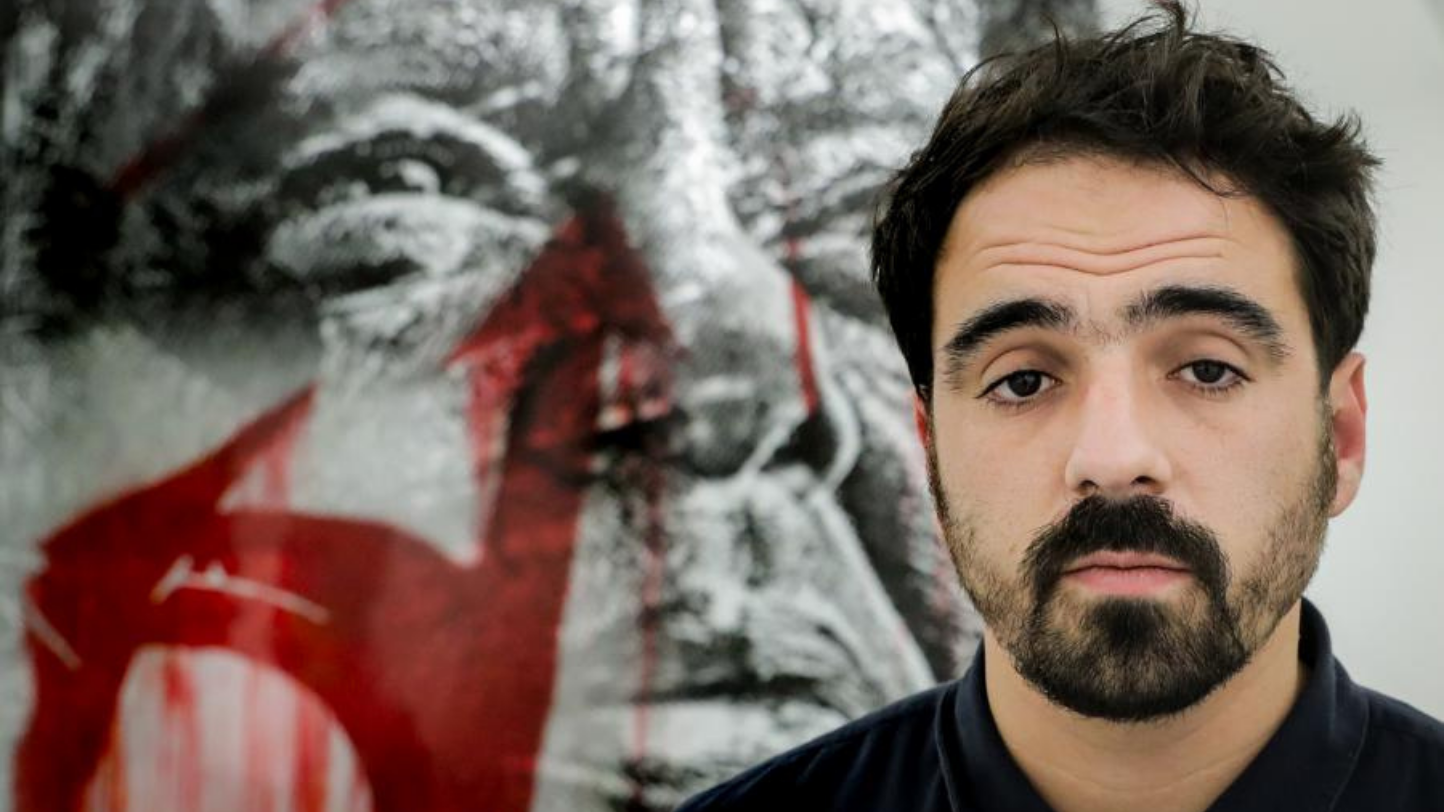
Is it worth investing in urban art? This is the question that arises, whether it is safe and profitable to invest in works of urban art. Aportuguese artist Vhils stated: “In principle, any investment in art has a huge return (...)These are things that last in space and create emotional connections with people." Find out why you invest.

The Portuguese artist Artur Bordalo (1987), known as Bordalo II, became famous for using street garbage to create stunning animal sculptures, with the purpose of alerting people about pollution and all kinds of species that are endangered. Find out where his sculptures are located in Portugal.

Every year, on March 3rd, World Wildlife Day is celebrated, to draw attention to the “moral obligation” to preserve the Earth, from which essential products for human survival are extracted.
UN chief Guterres stressed that wildlife is in danger, recalling that damage to the natural world ultimately threatens the existence and well-being of all individuals. Who are the artists who have produced work related to sustainability? Learn more in this article.
UN chief Guterres stressed that wildlife is in danger, recalling that damage to the natural world ultimately threatens the existence and well-being of all individuals. Who are the artists who have produced work related to sustainability? Learn more in this article.

The 20th century was marked by great social, political, economic changes and, simultaneously, in the artistic world, the expansion of the concept of art.In the 1960s, environmental and ecological concerns began to emerge in the field of arts, with artists questioning, in their works, our own survival and the consequences of human action on natural resources.Bordalo II, Rirkrit Tiravanija, Thomas Hirschhorn produce works of art that transmit and provoke a transformation in society.Do artists believe they are changing the world through their artistic actions? Find out in this article.

After the Second World War, a new expression emerged in the art world, developed by American painters such as Jackson Pollock, Mark Rothko and Willem de Kooning. In the midst of the cold war, Jackson Pollock's works expressed the idea of freedom that the United States intended to communicate to the rest of the world. Thus, this movement was embraced due to its impression of spontaneity and as a way to “fight” Russian figurative art. For the artists, this movement, characterized by spontaneous gestural brushstrokes, was a way of expressing their emotions in an abstract way, as the name implies.

The early impressionists astounded art lovers by pushing against the grain of academic painting rules. Following the lead of painters such as Eugène Delacroix and JMW Turner, the Impressionists created paintings where color took precedence over lines and contours. The free strokes of artists such as Monet or Degas have changed the history of art ever since. Get to know the fantastic story of this movement that changed our view on the principles of art.

In the second part of the 20th century, we see the explosion of street art or urban art, as a way of expressing and communicating a message or brand through images, illustrations or symbols in public space.The practice of graffiti grew, initially in New York, but quickly spread firmly in other contemporary cities, thus challenging the prevailing canons of artistic practices. Find out in this article which were the two Portuguese artists who stood out in this field.

Cubism was a vanguard movement of the early 20th century, which was characterized by the abandonment of classical perspective and the fragmentation of forms by representing three-dimensional objects on a two-dimensional surface. The origins of this movement, conceived by just two artists, is usually identified with the creation of the famous painting byDemoiselles d'Avignon per Pablo Picasso, however it was from the works of Paul Cézanne that this one emerged. Find out more about this movement in the new article.