
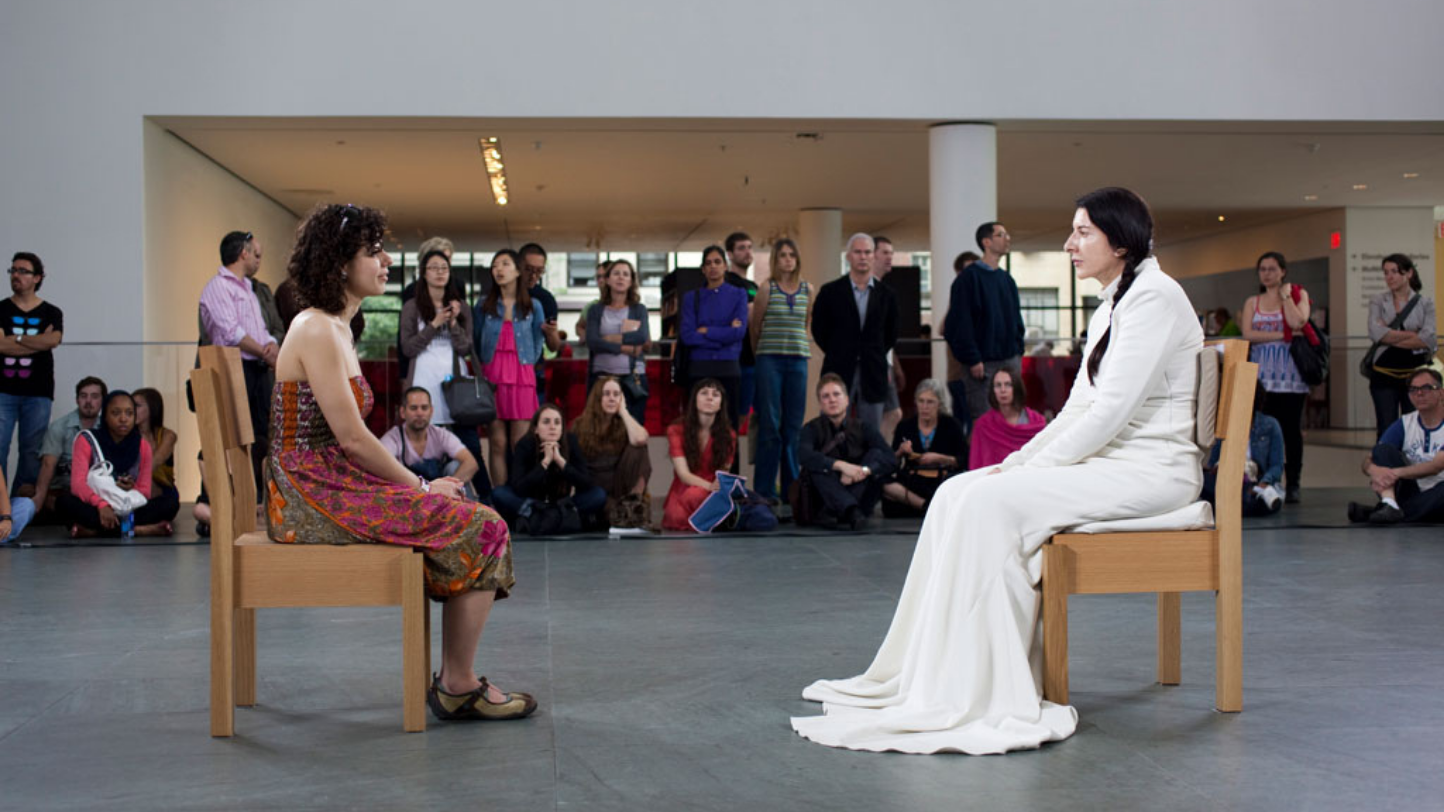


Neo-expressionism is an artistic movement that emerged in the late 1970s and early 1980s, mainly in Germany, Italy and the United States. This movement was a reaction to the minimalism and conceptualism that predominated in art during the 1960s and 1970s.
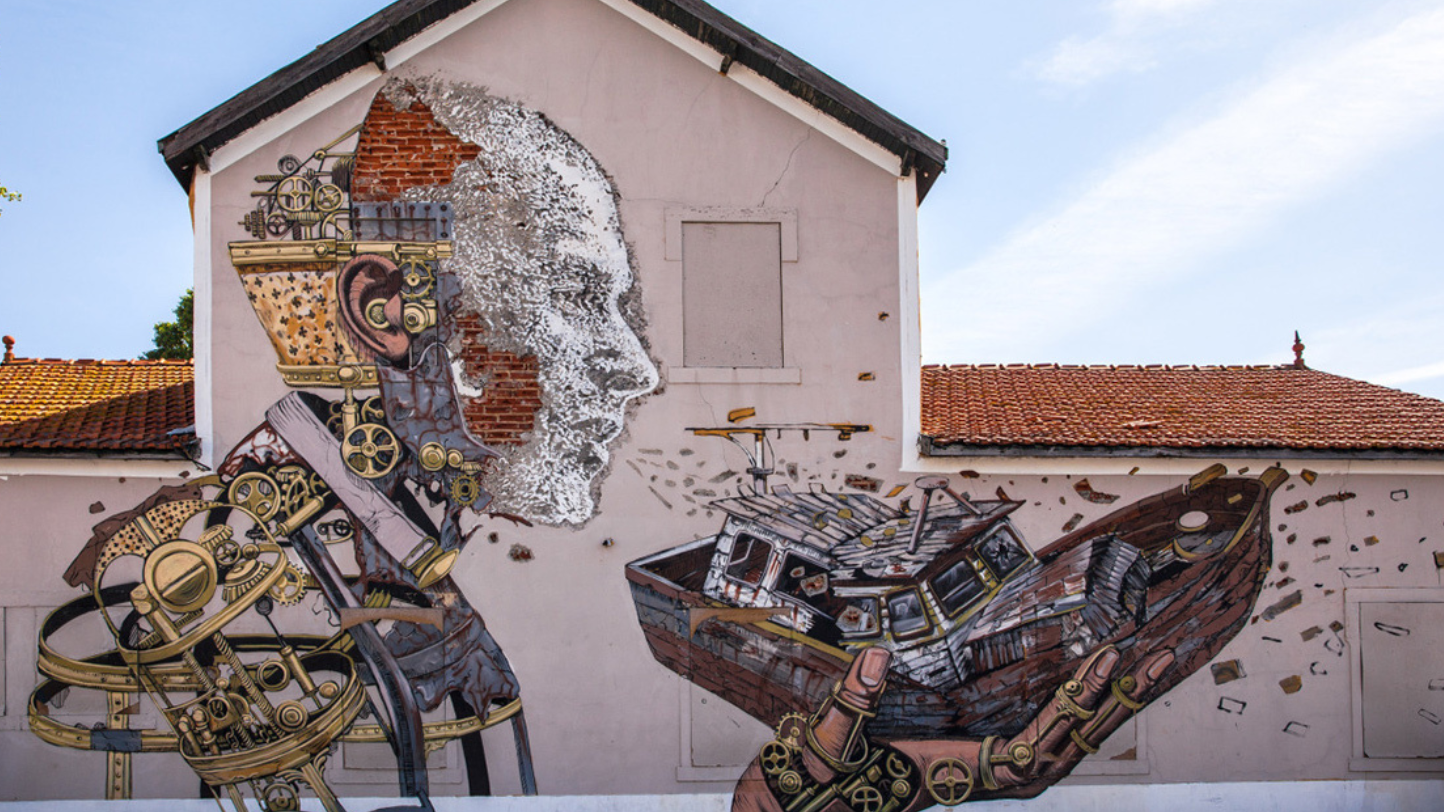
In this article, we will explore the main trends currently shaping urban art, analyzing its evolution, the challenges it faces, its growing institutionalization, and the role of the artist in contemporary society.
Ever seen a work of art that resembles an acclaimed piece or is very similar to an artist's style? There is a strong chance that the artwork is a pastiche. But what is pastiche? Pastiche art uses the distinctive image or style of another artwork, while still infusing the artist's own style. This allows artists to celebrate the greats of art history, whether by paying homage or making a sociopolitical statement. Pastiche is nothing new and has been used as a method to create art for years. There are many successful pieces that honor famous artists such as Leonardo da Vinci, Andy Warhol, Vincent Van Gogh, Johannes Vermeer, among others. Find out here which artists from P55.ART create pastiche works of art.

The Bauhaus, founded by Walter Gropius in 1919, was not just an educational institution, but a revolutionary movement that united fine arts, crafts and technology under one roof. Find out more here.

Minimalism is an extreme form of abstract art developed in the US in the 1960s, characterized by works of art composed of simple geometric shapes based on the square and rectangle. Minimalism or minimalist art can be seen as an extension of the abstract idea that art should have its own reality and not be an imitation of something else. We tend to think of art as representing something from the real world (a landscape, a person, or even a can of soup!) or reflecting on an experience such as an emotion or feeling. With minimalism, no attempt is made to represent an external reality, the artist wants the viewer to respond only to what is in front of them. The medium (or material) of which it is made, and the form of the work is reality. Minimalist artist Frank Stella said of his paintings "What you see is what you see".

At this year's Venice Biennale, representatives from Brazil will shine a light on the indigenous peoples of their territory, once brought to the brink of extinction by colonial rule and who are now fighting to recover what was taken from them. Find out more here.
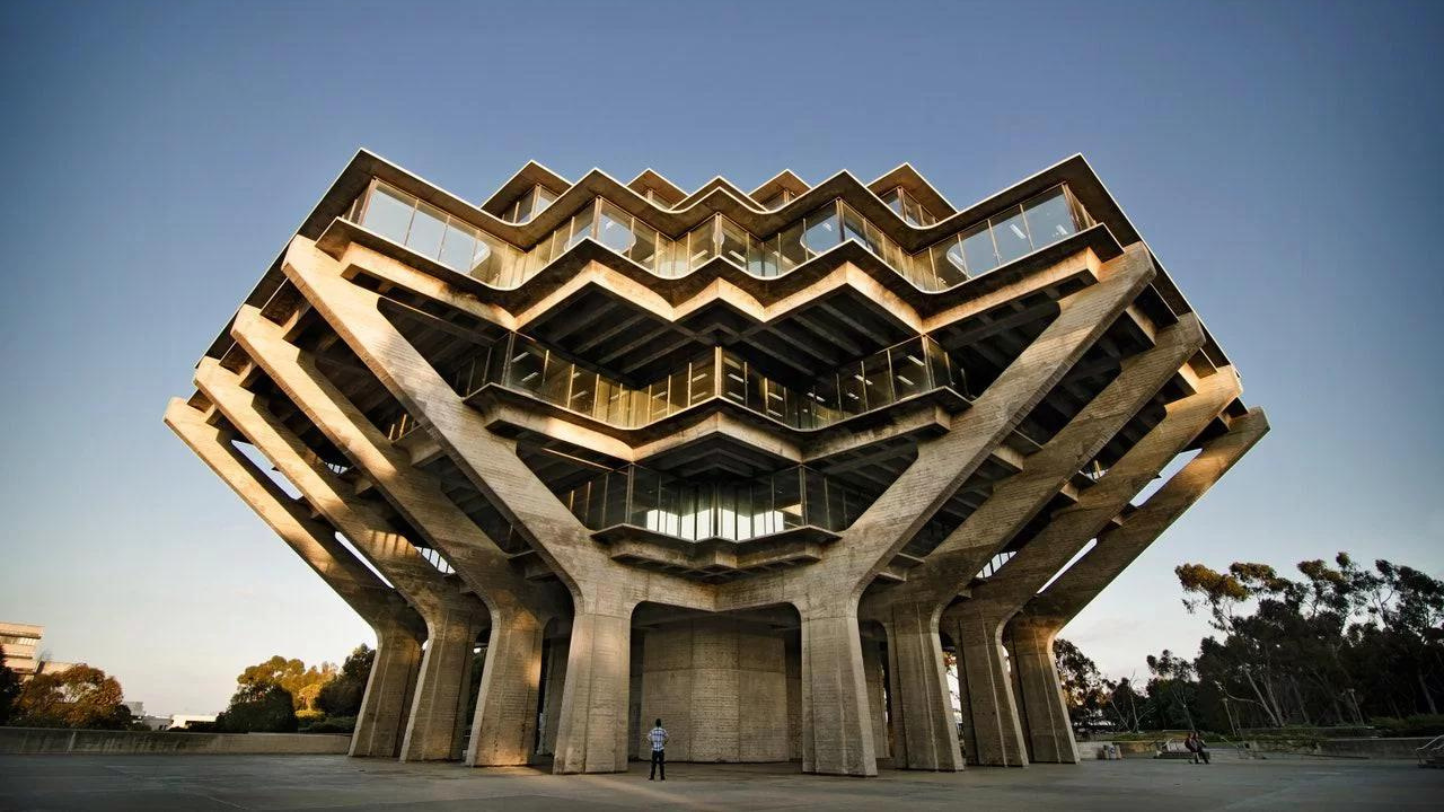
The brutalist movement, which emerged in the middle of the 20th century, emerges as a unique architectural expression, challenging aesthetic conventions and proposing a raw and functional approach to design. Find out more here.
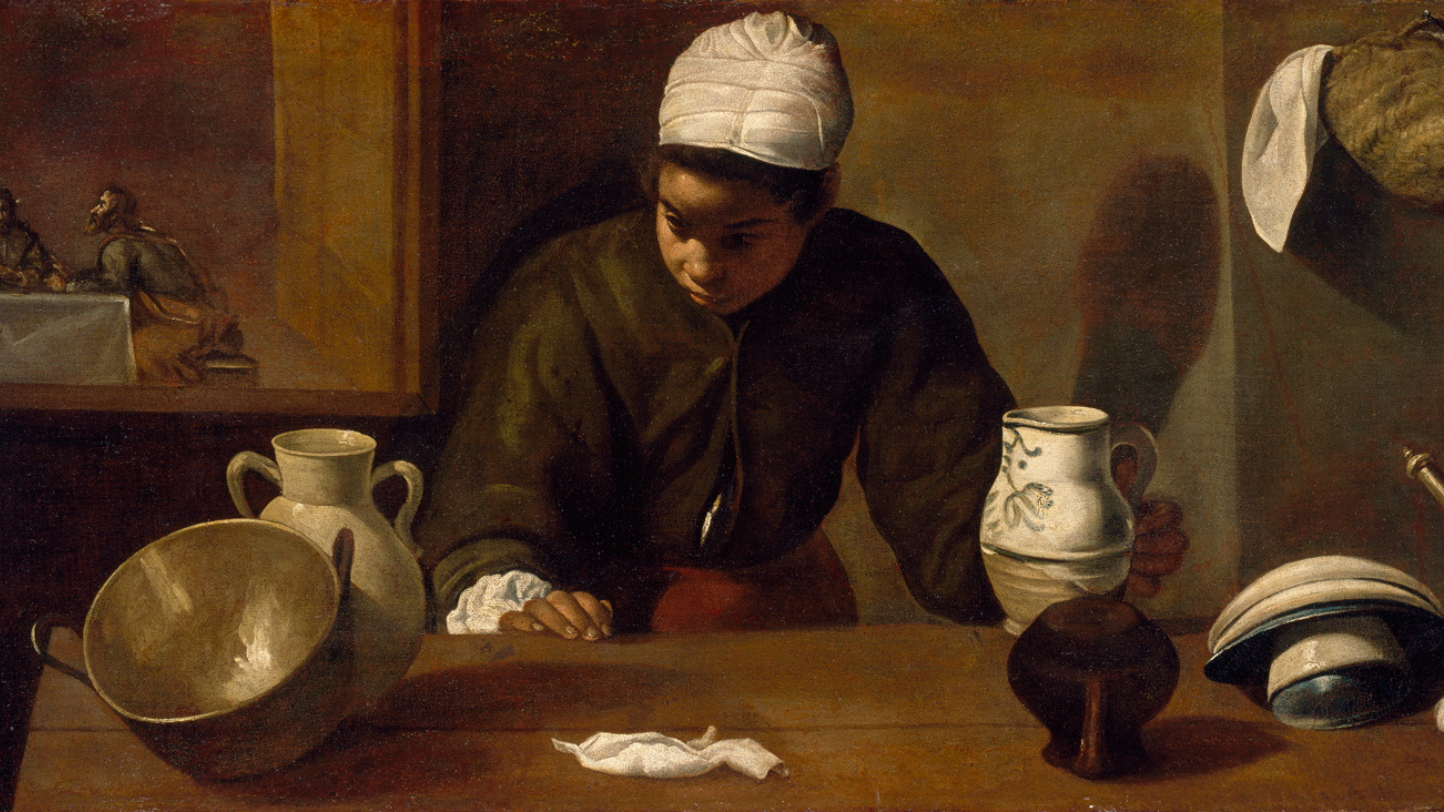
The history of European art is punctuated by a series of movements and schools that have left indelible marks on artistic expression over the centuries. Find out more here.

Minimalism was an artistic movement that emerged in the 1960s, characterized by the search for extreme simplicity in art. In this article, we will explore the work of five artists who have left an indelible mark on the art scene with their minimalist approach, revealing how much beauty can be found in simplicity.
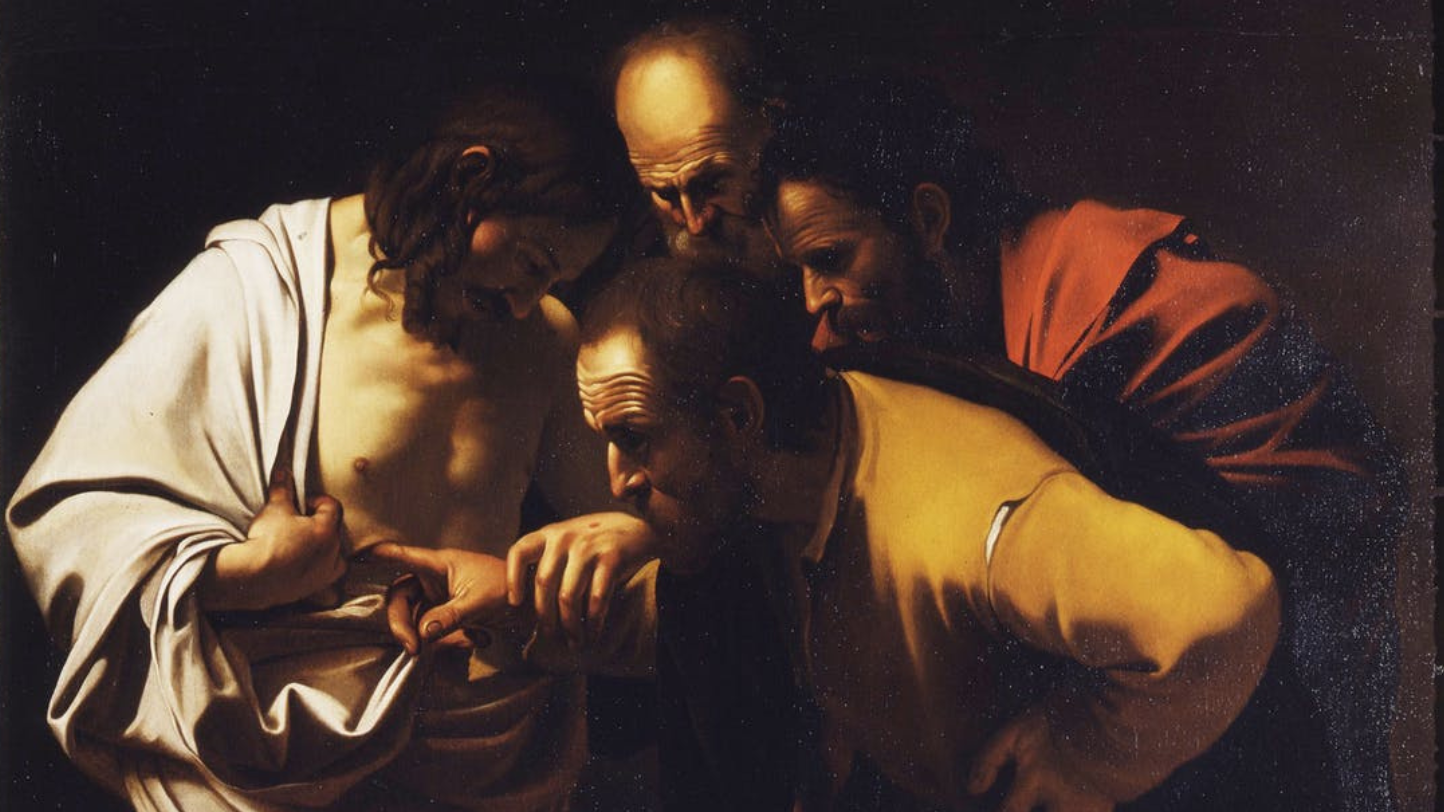
The Baroque movement was an important cultural, artistic and literary period that extended approximately from the end of the 16th century to the middle of the 18th century. It had its origins in Europe, but it also had influence in other parts of the world, including the Americas. Baroque is characterized by its complexity, drama, exuberance and contrast. Find out more here.
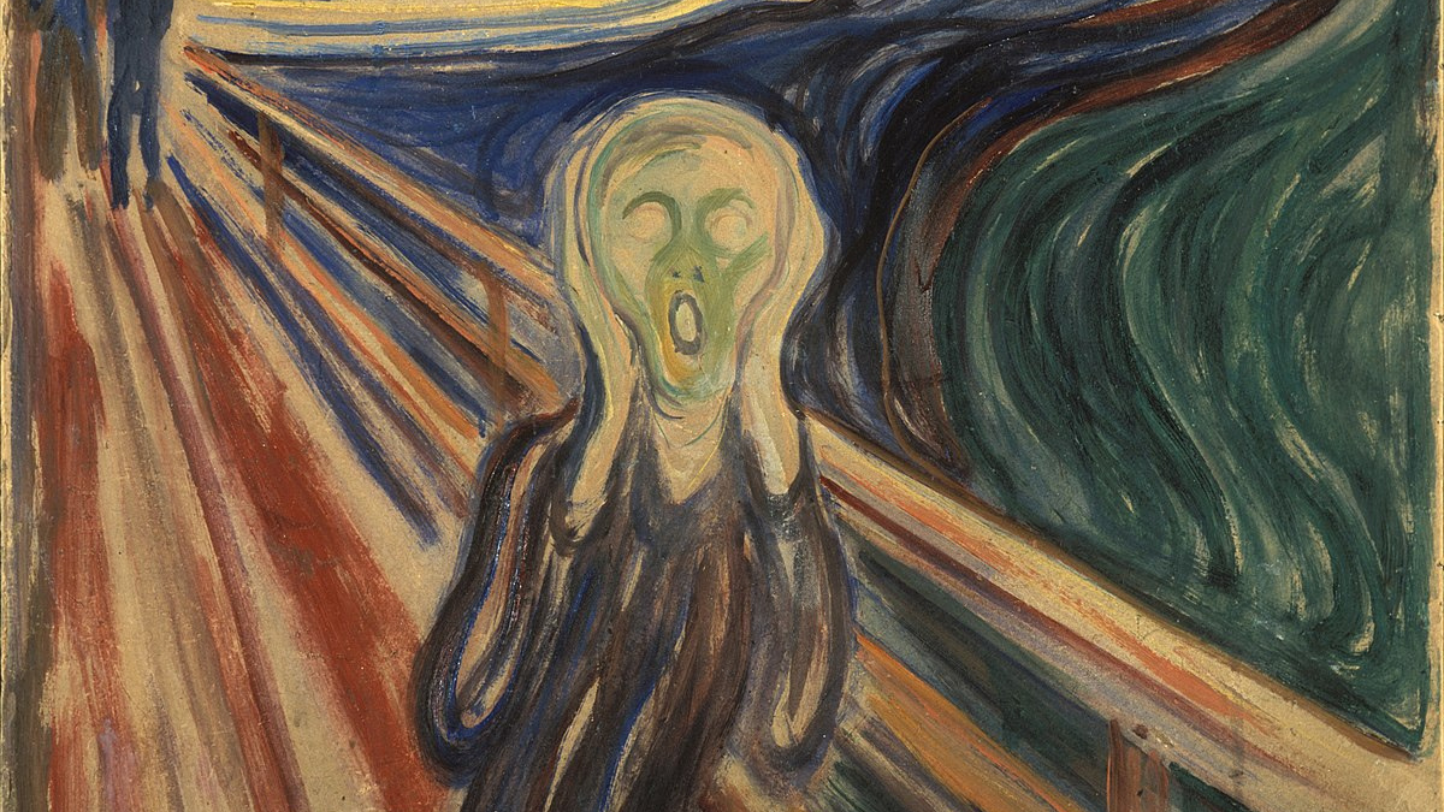
Expressionism was an important artistic and cultural movement that emerged at the beginning of the 20th century, mainly in Germany, but which also spread to other parts of the world. He had influence in several artistic areas, such as painting, literature, theater, cinema, architecture and music. Learn more here.
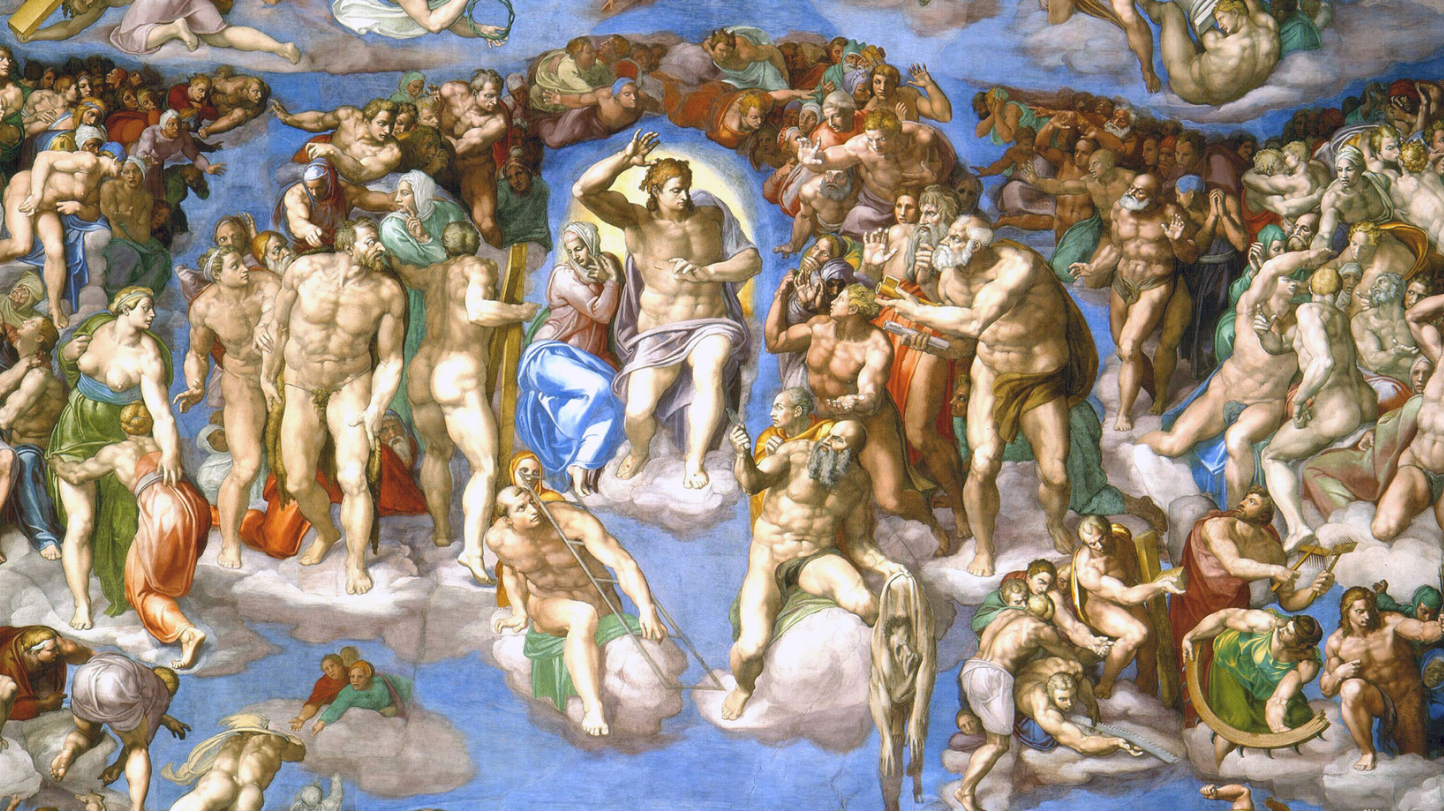
Mannerism was a reaction to Renaissance classicism, which sought to break away from strict rules and proportions and explore new forms of artistic expression. Find out more here.
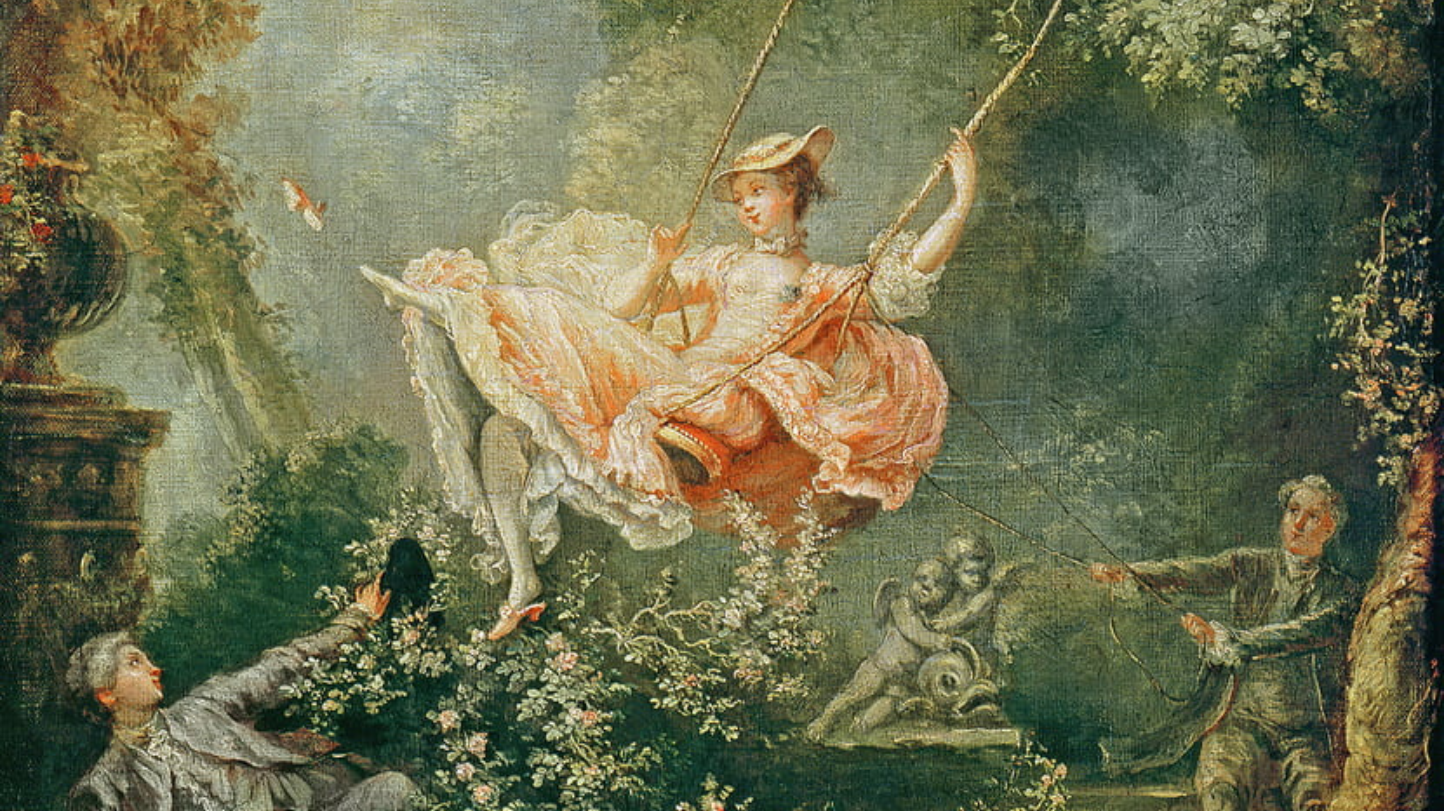
The Rococo movement was an artistic and architectural style that emerged in Europe, mainly in France, in the 18th century. It developed as a response to the Baroque style, marked by a grand and dramatic aesthetic. Rococo, in turn, was characterized by a lighter, more delicate and ornate approach. Find out more here.
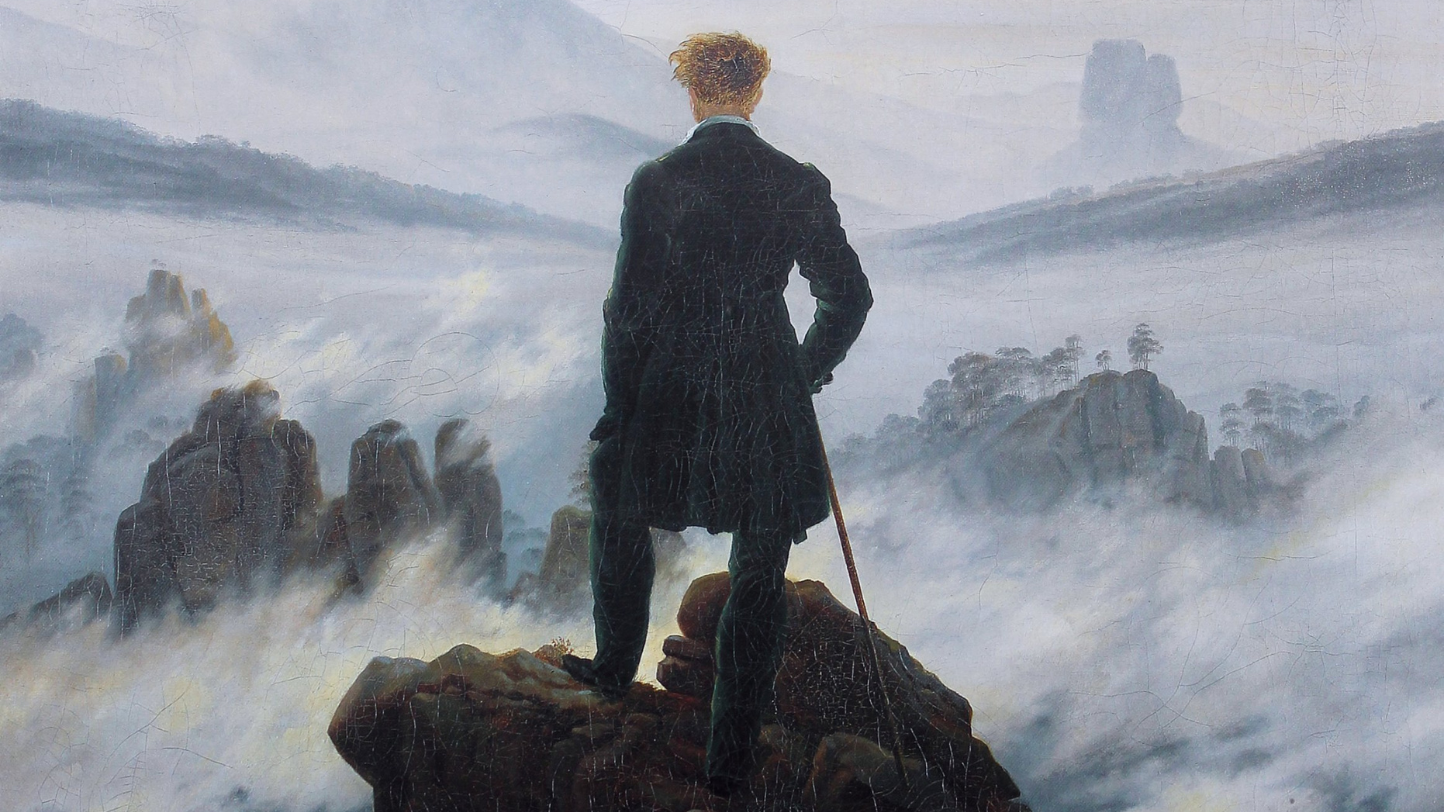
The Romanticism movement was an important cultural and artistic movement that occurred mainly in the 19th century, covering different areas such as literature, music, painting and even politics. Find out more about this movement here.