
With the onset of the Women's Movement in the 1960s, more and more female artists began to receive the recognition they deserved. Today, art history is being reexamined and artists who have fallen by the wayside are now being included and rewarded for their contributions to the evolution of art.
We've compiled a list of what we believe are some of the most important female artists past and present.
We've compiled a list of what we believe are some of the most important female artists past and present.
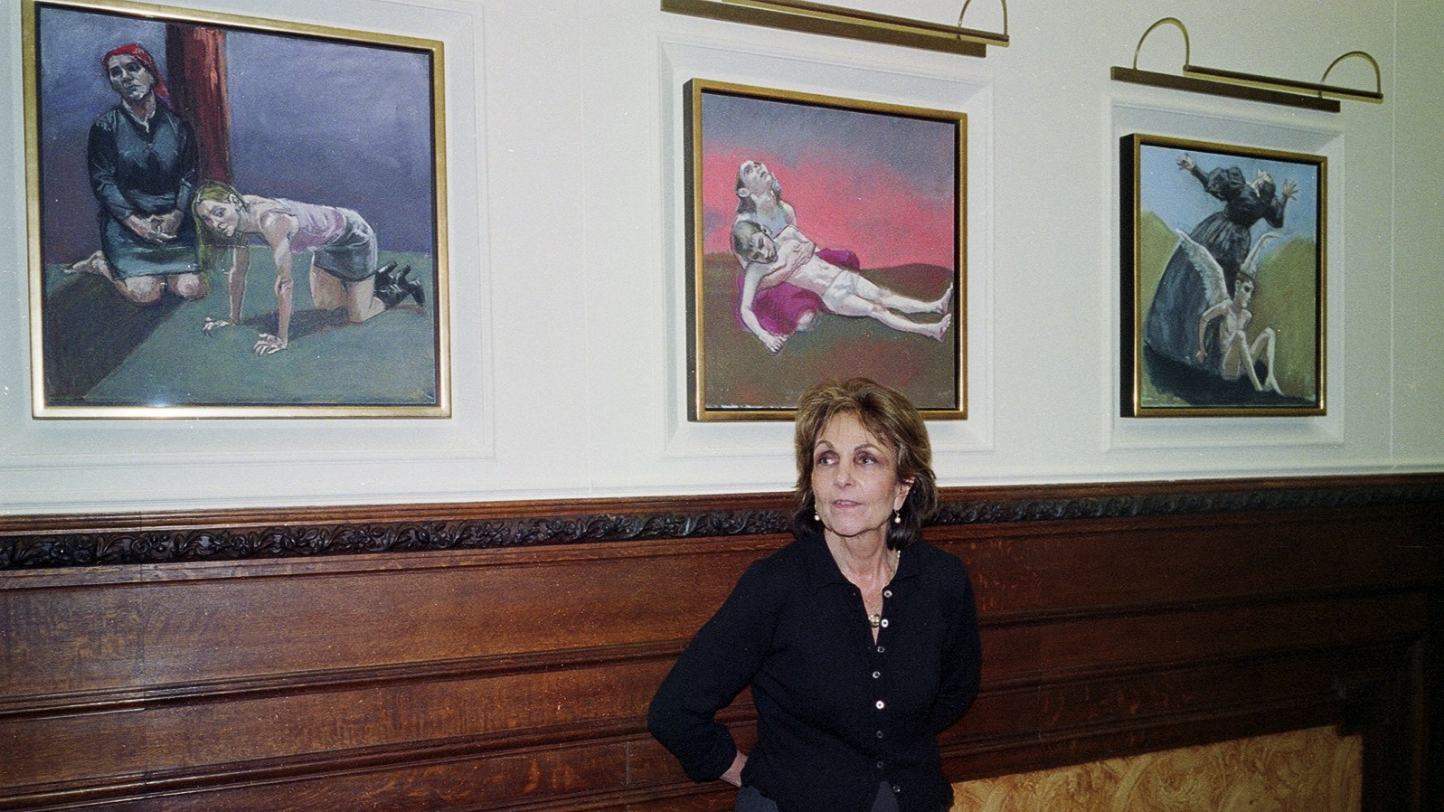
Portuguese-British visual artist who is particularly known for her storybook-based paintings and prints. the style ofPaula Rego evolved from abstract to representational, and preferred pastels over oils for much of her career. Paula Rego studied at the Slade School of Fine Art, University College London and was an exhibitor member of the London Group, along with David Hockney and Frank Auerbach. She was the first artist in residence at the National Gallery in London. Discover five iconic works from the career ofPaula Rego.
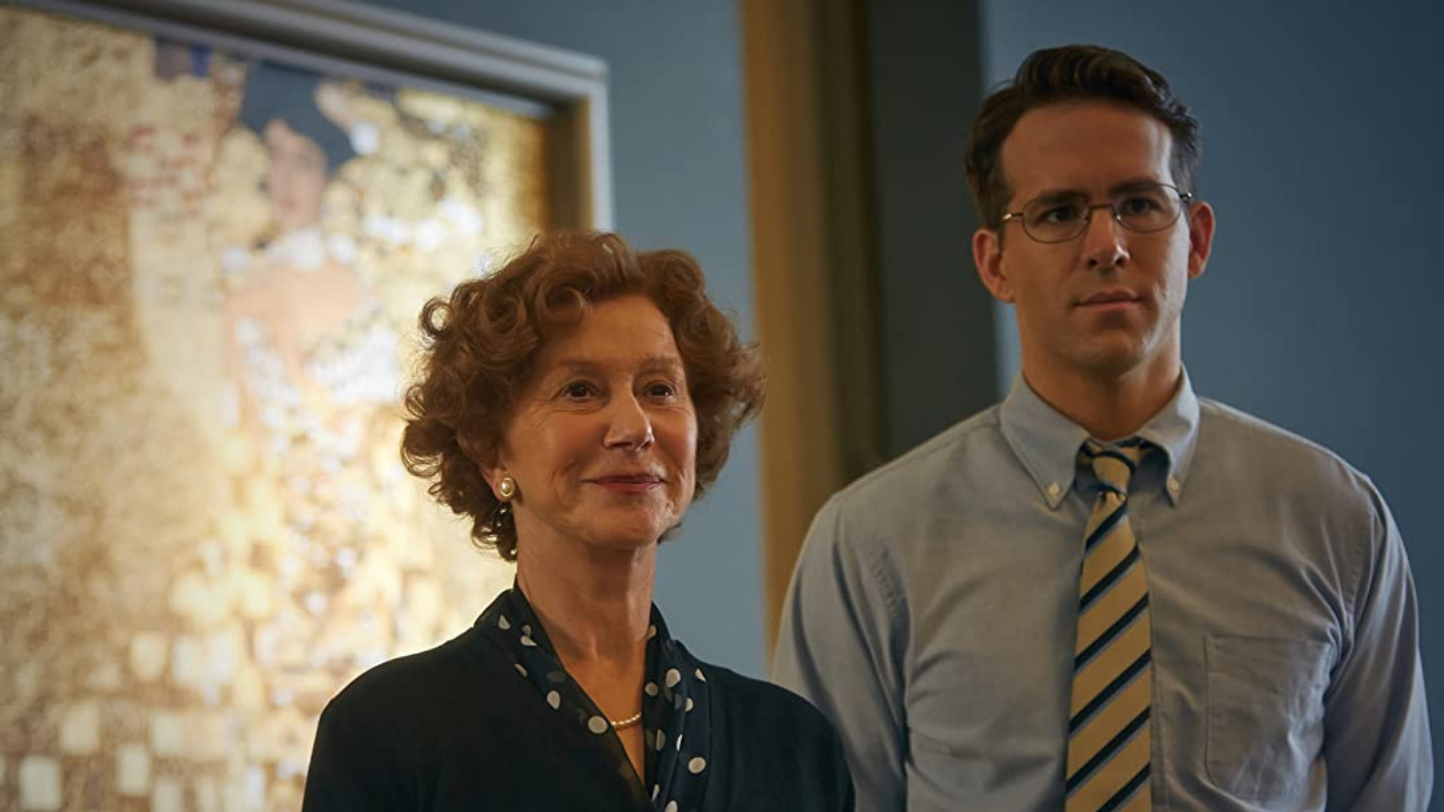
Cinema is a way of traveling without leaving the couch and discovering other stories and possible realities. Thinking of all lovers of the seventh art, we have prepared a selection of eight films about the great artists of the last century. Take advantage of Carnival to watch these great films.
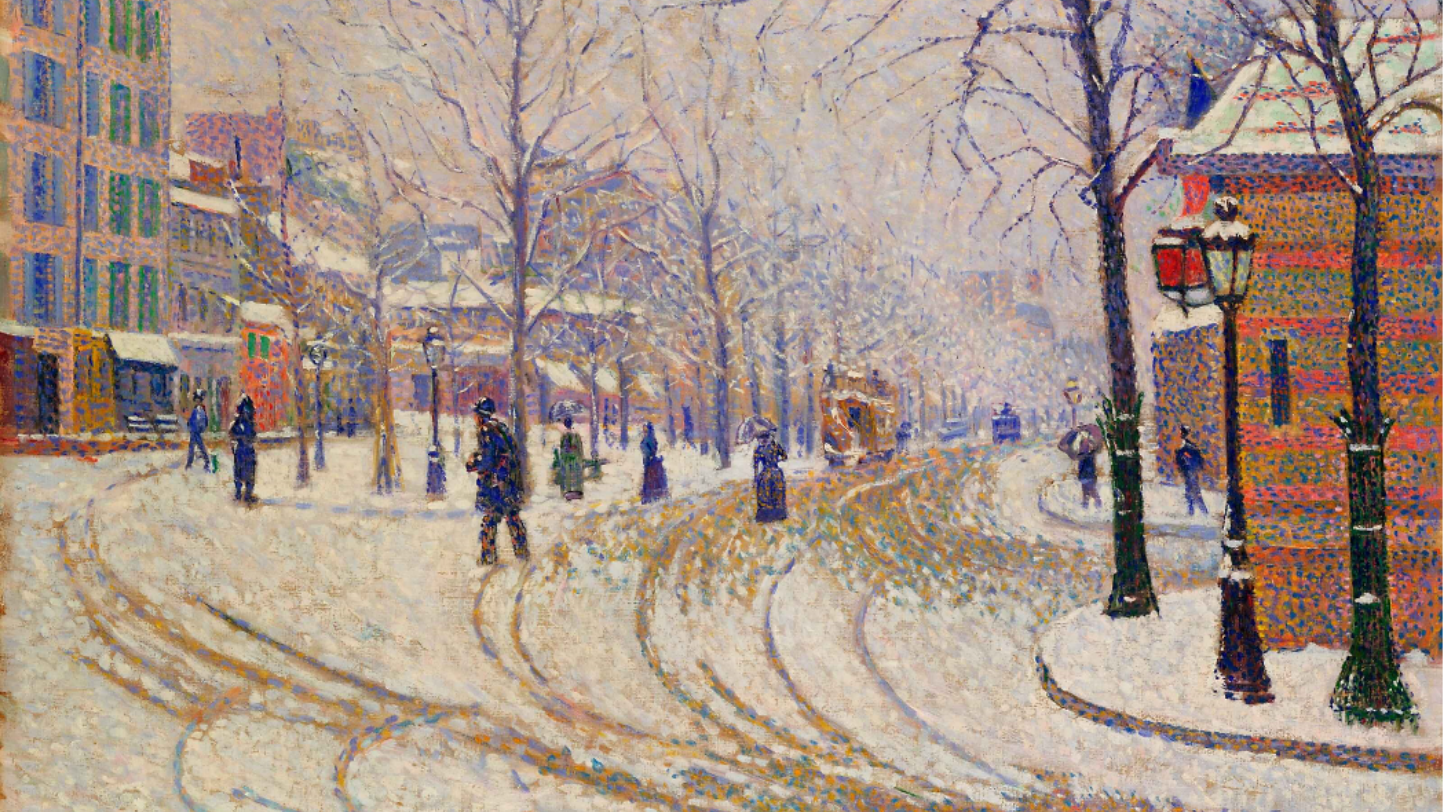
Warm up your space with a timeless work of art inspired by this season's extravagant beauty. Are you looking for a piece of art to commemorate an important moment, to offer a loved one, or are you simply a lover of visual arts? Works of art explore the surrounding space, bringing joy to a home or office. Vincent van Gogh, Monet,Casper DavidFriedrich, among other painters, created winter landscapes that highlight the beauty of this season. Discover several works with diverse elements, from figuration, with the mountains full of snow, to more abstract works, where the coldest colors lead.
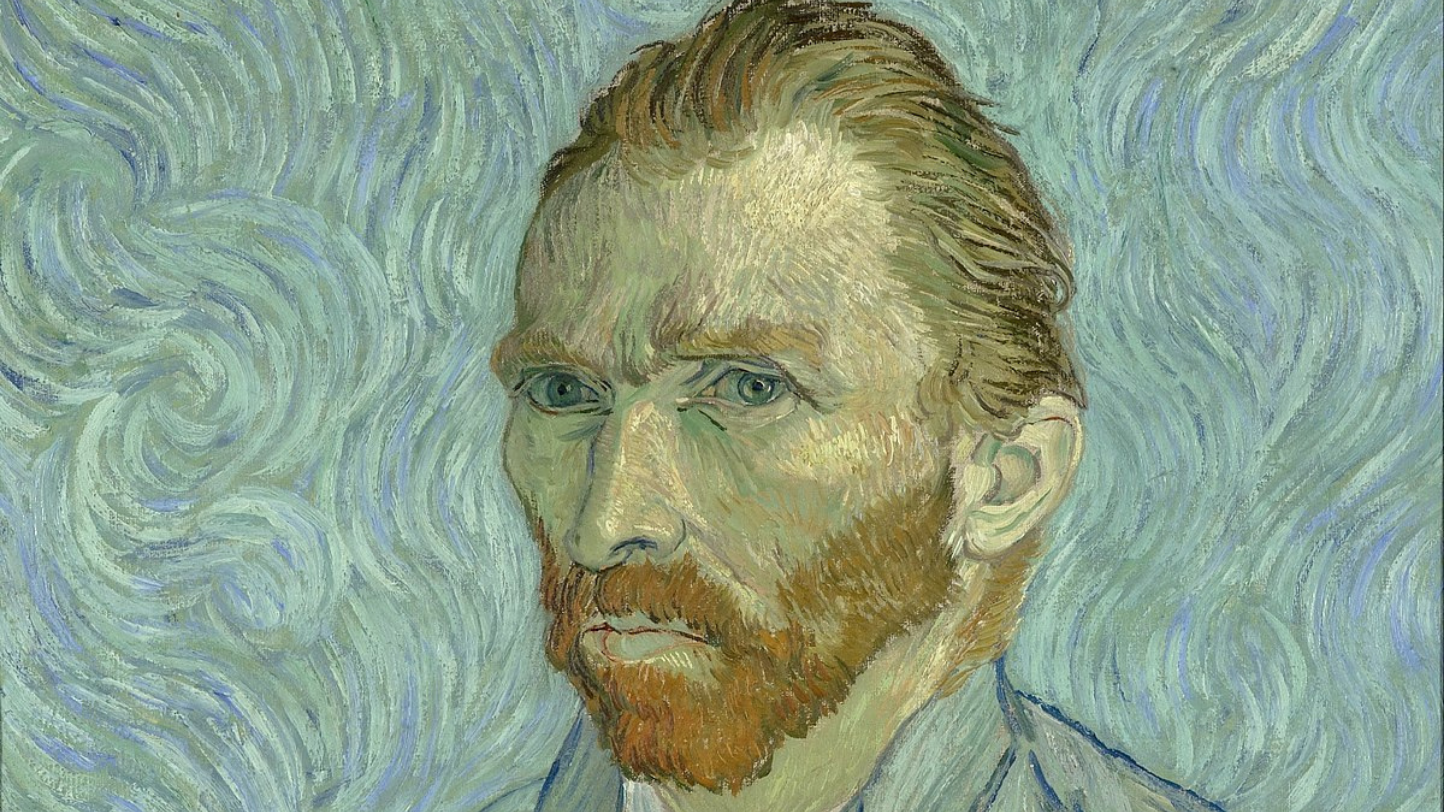
Vincent Van Gogh he became one of the most famous artists for the amazing stories of his life but also for beautiful compositions such as “A Noite Estrelada”. They call him a 'mad' artist who cut off his own ear but also an artistic genius. What is certain is that the artist who was born in 1853, inZundert in Holland, remains in the memory, for its innovative and unique artistic style of enormous importance for a series of artists that followed him. His easily identifiable pieces have a distinct style that was not accepted by the public in his own time. His works profoundly influenced 20th century art, due to his extraordinary vision, sense of color and daring technique.
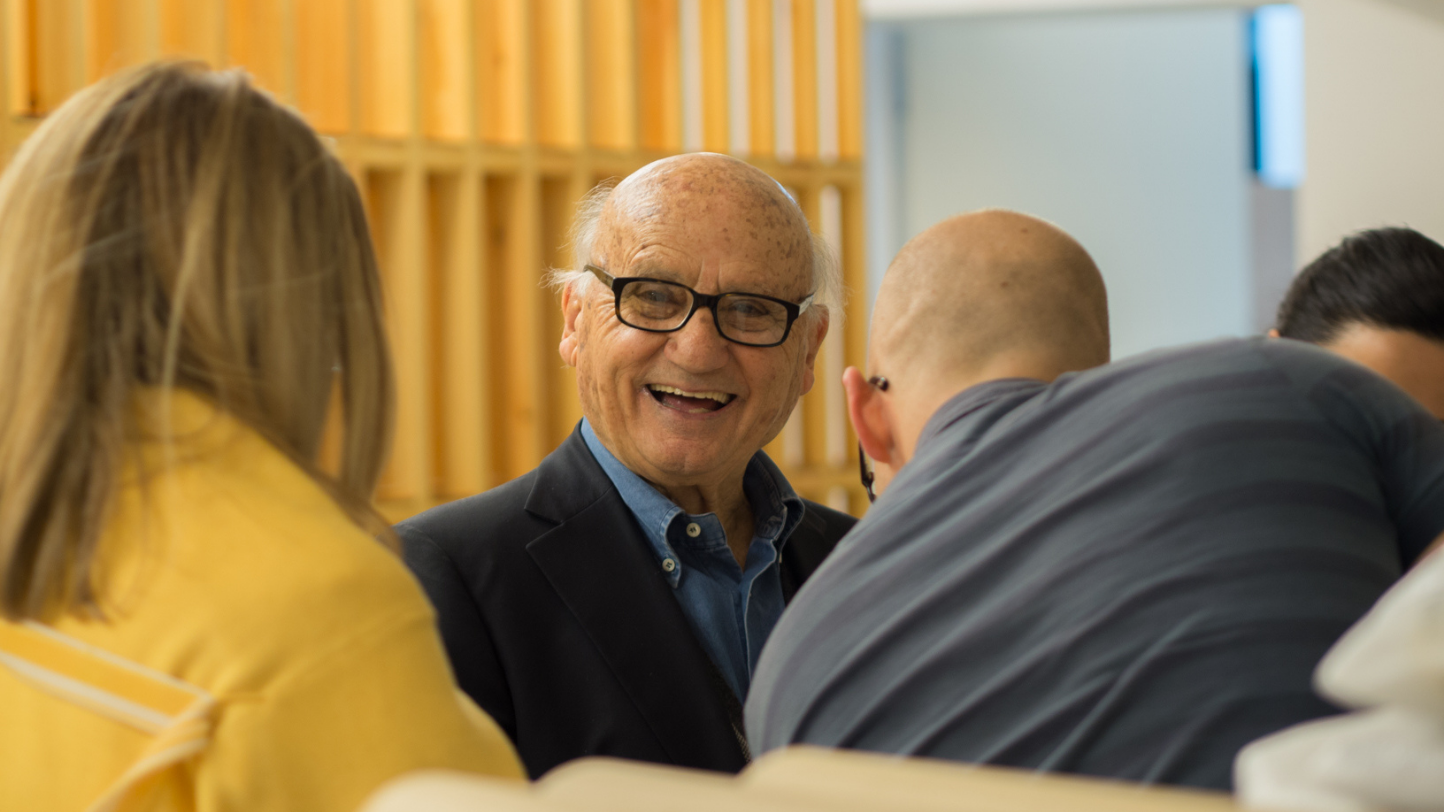
Manuel Cargaleiro (1927), is one of the last painters to join the well-known Paris school and the lyrical abstractionist movement. His works can be found in various parts of the world, with a public work in Portugal at the Colégio Militar station, but also in Paris.In Italy, he fostered a special connection to the Italian city of Vietri Sul Mare, currently home to the Fondazione Museo Artistico Industriale. Manuel Cargaleiro. He continues to this day to work hard, still in Paris. Meet the master of lyrical abstractionism in this article.
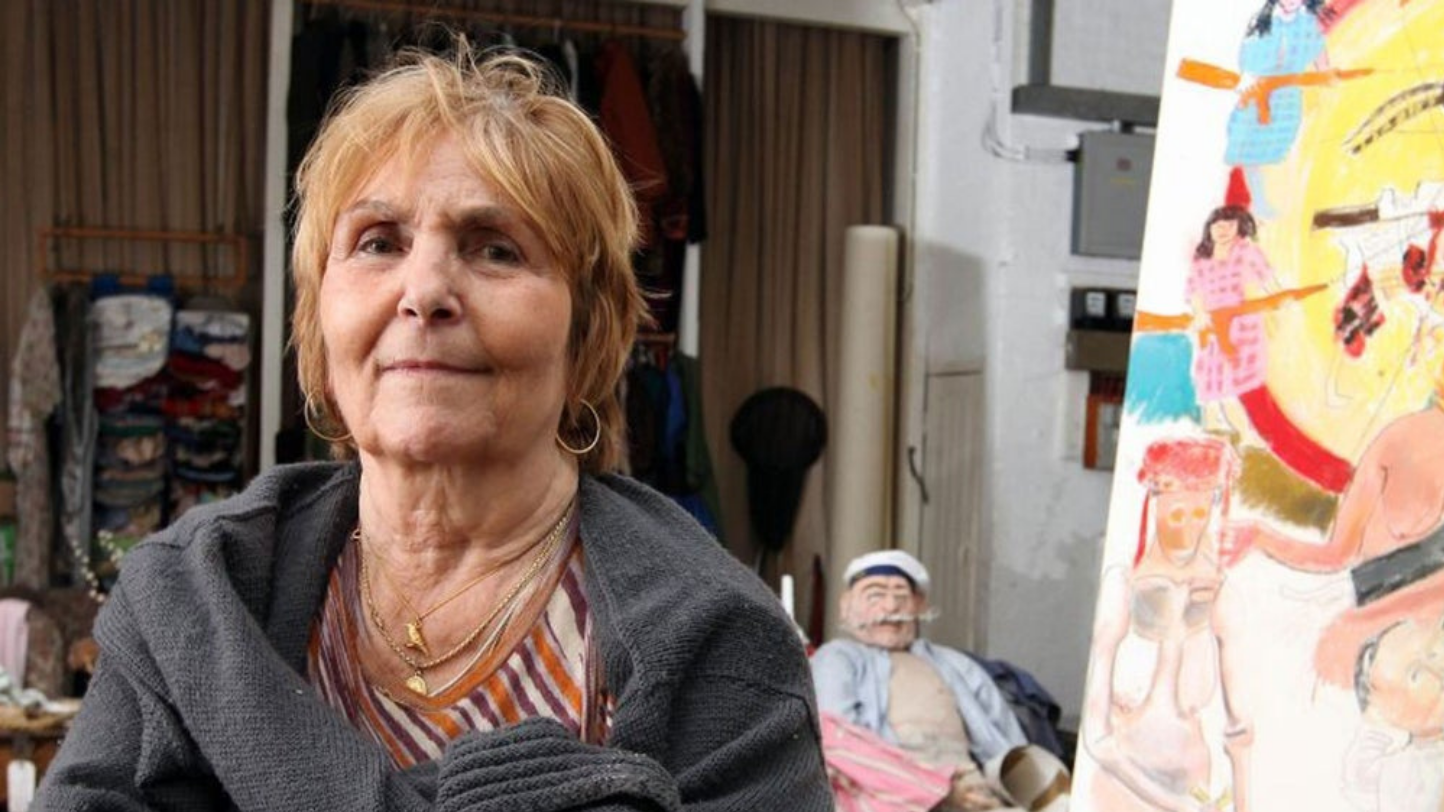
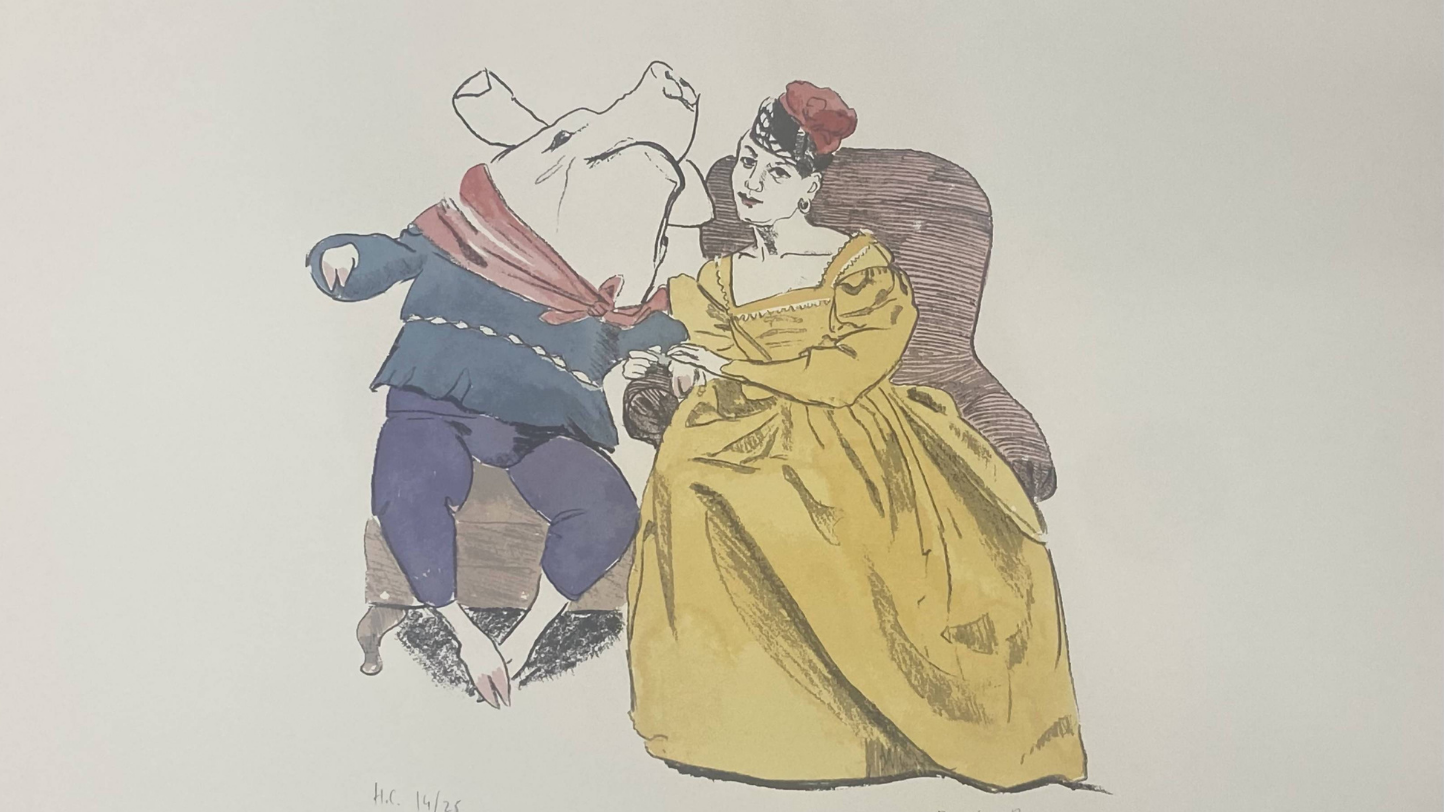
Paula Rego is one of the most recognized Portuguese artists, mainly for the realistic works that follow the lines of Goya, Hogarth and Beckmann. Throughout the career, Paula Rego has been building a visual language that combines literary references mainly from 19th and 20th century works with autobiographical elements.
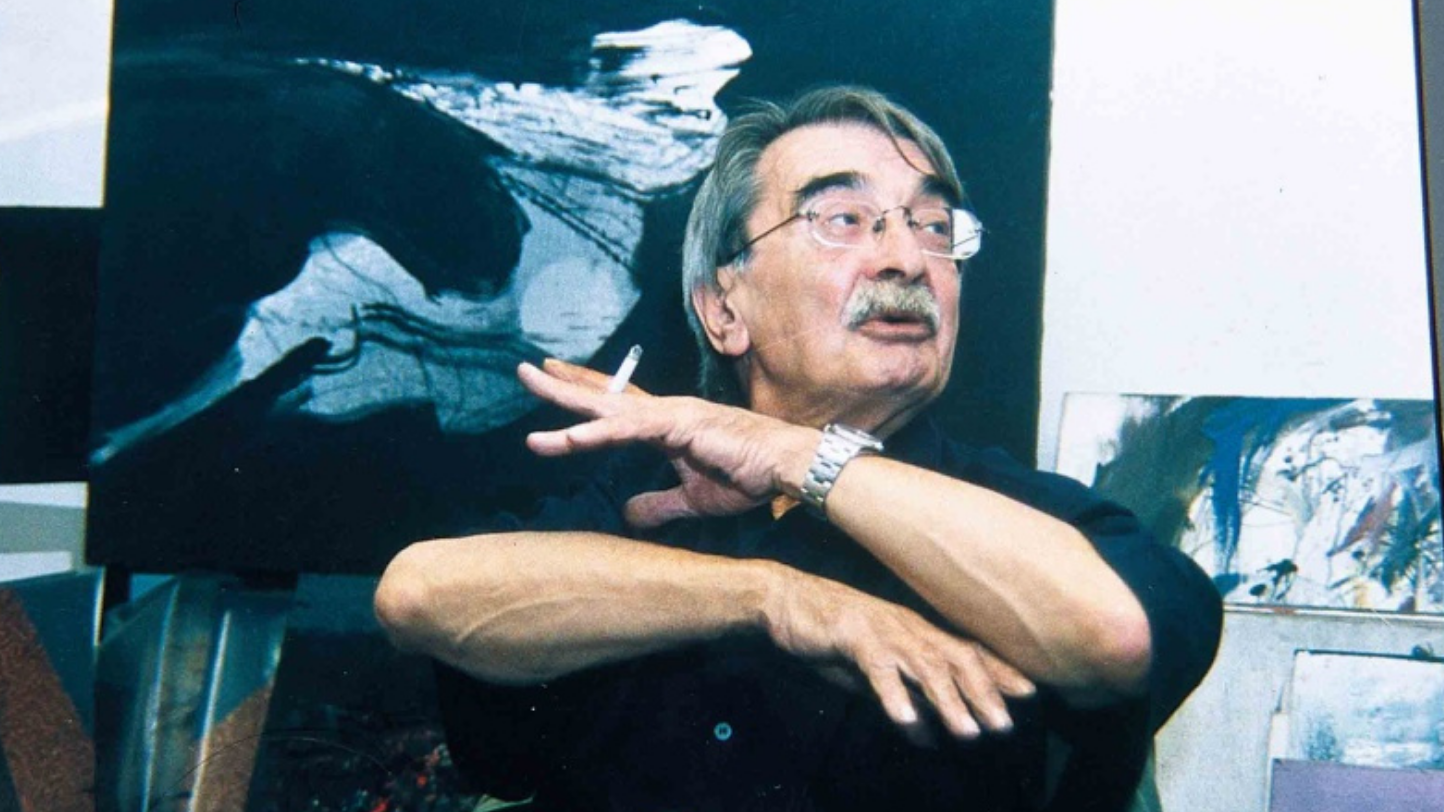
He was one of the greatest Portuguese painters of the second half of the 20th century, a pioneer of gestural painting (abstract expressionism) in Portugal. Under a dictatorial regime,Artur Bual (1926-1999) was able to keep up with world art trends by opening the doors toabstract expressionism - artistic movement that acquired relevance in the post-war era in America and later in Europe. the brushstrokesfast, wide and dense of his paintings remained forever in the visual memory, having thus had a great influence on other painters up to the present. Learn more about the artist who decisively influenced art in Portugal in this article.
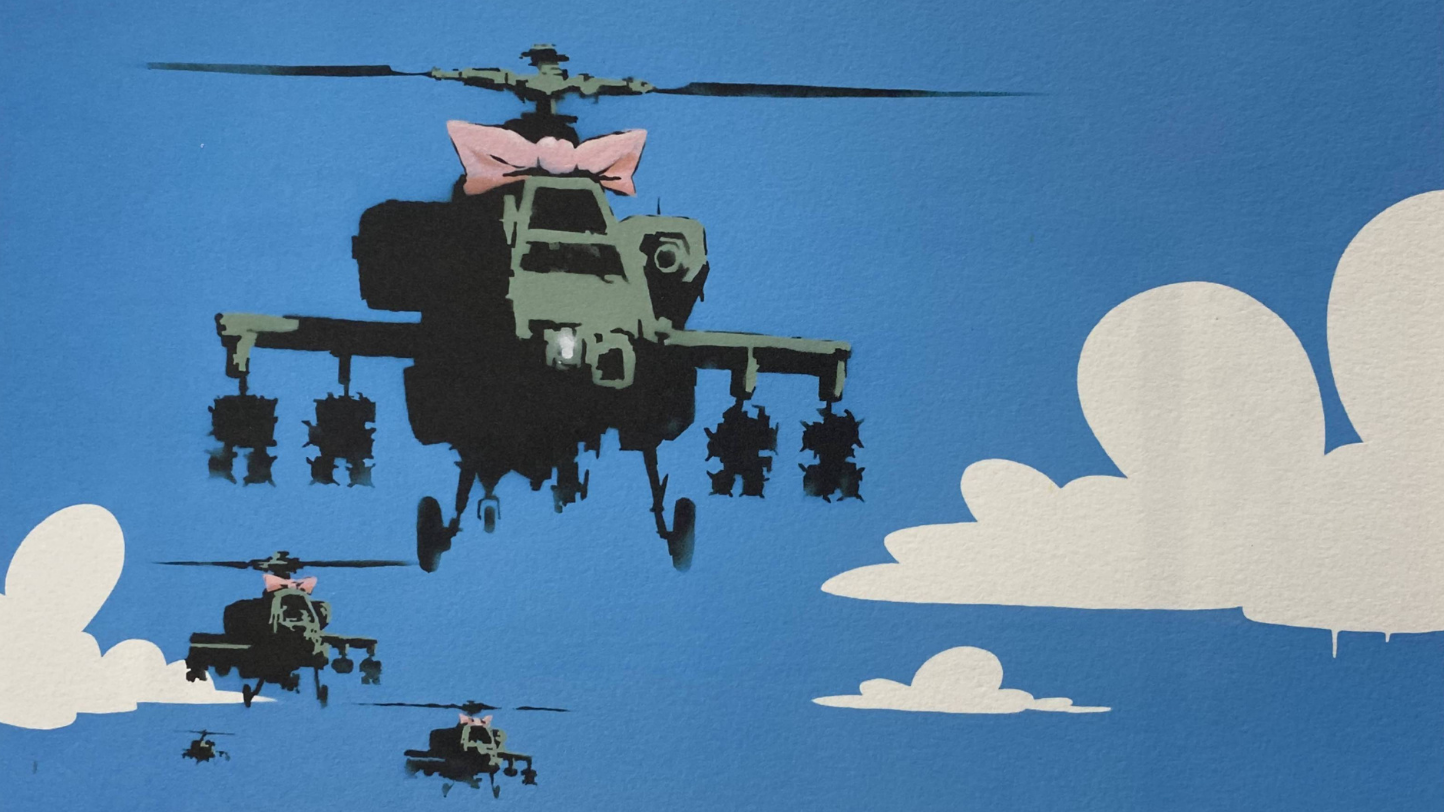
In 2021, with an innovative tactic, P55 allowed the sale of works of art easily, quickly and without any physical contact. In response, there was an exponential growth in revenue and also in the percentage of artists and galleries that started working on this platform. Find out in this article which were the biggest trends in 2021.
The past year has brought unprecedented change not just for the art industry, but for the consumer at large. After the chaos of 2020 triggered by Covid19, there was great hope for the year ahead. The truth is that in-person events are back, but always incorporating the distances required due to the pandemic. In 2021, the realm of crypto-based NFTs dominated everyone's attention and signaled hope for the future of the Craft.Online sales from major auction houses such as Sotheby's, Christie's and Phillips have achieved exponential growth compared to previous years. There has been an increase in sales and confidence in operations - as reliance on technology has grown, driven by need - and an ever-growing demographic of buyers under the age of 40, as well as an increase in new art collectors. Find out in this article which were the biggest trends in 2021.

Artists in the early stages of their careers have the most to prove to make a name for themselves in the process. Consciously or not, artists working today are absorbing and harnessing the uncertainty, sadness, pain and occasional joy of the present, and channeling them into their paintings and drawings, sculptures and montages, films and digital animations. What were the young artists who managed to be promising at P55?This year, we feature 5 emerging artists who are driving contemporary art forward through their work, both urgent and moving. The themes and materials explored by these artists are varied, daring figurative painting, mysterious reflections of the present, identity-oriented portraits, abstraction imbued with spirituality and an embrace of artisanal techniques. Discover in this list the artists who have distinguished themselves in this field.
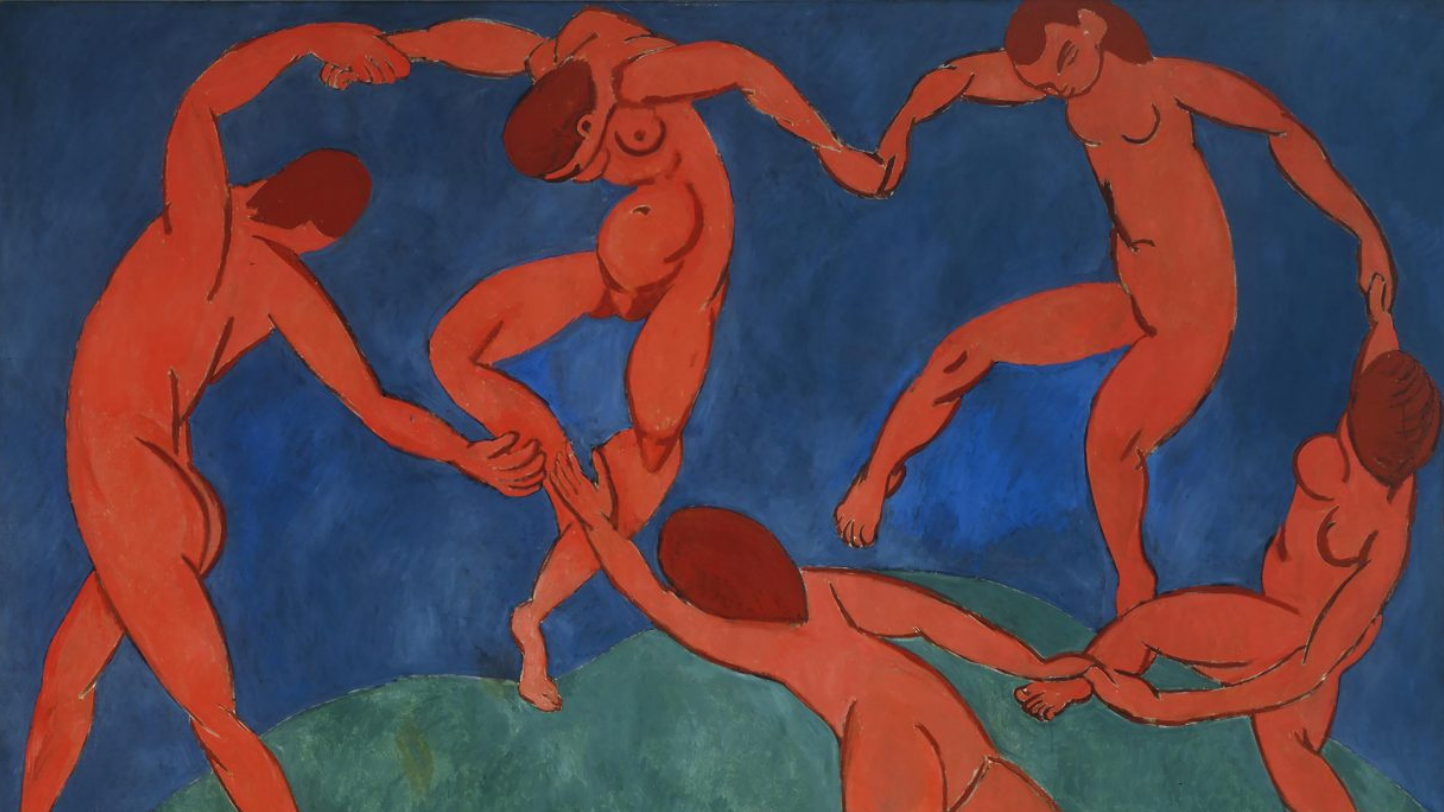
The vibrant colors of Henri Matisse, with expressive brushstrokes and flat, graphic shapes helped to define the aesthetics of Fauvism and the goals of modernism itself. The French artist worked in painting, drawing, printmaking, collage and sculpture, often focusing on human figures with a simple line and wrapped in floral motifs. He occasionally incorporated aspects of classical painting into his practice, mutually introducing still lifes and domestic scenes. His brightly colored paintings influenced the works of artists such as Jackson Pollock, Mark Rothko and many others. His works are in several collections, including the Museum of Modern Art, the Tate and the Guggenheim Museum.
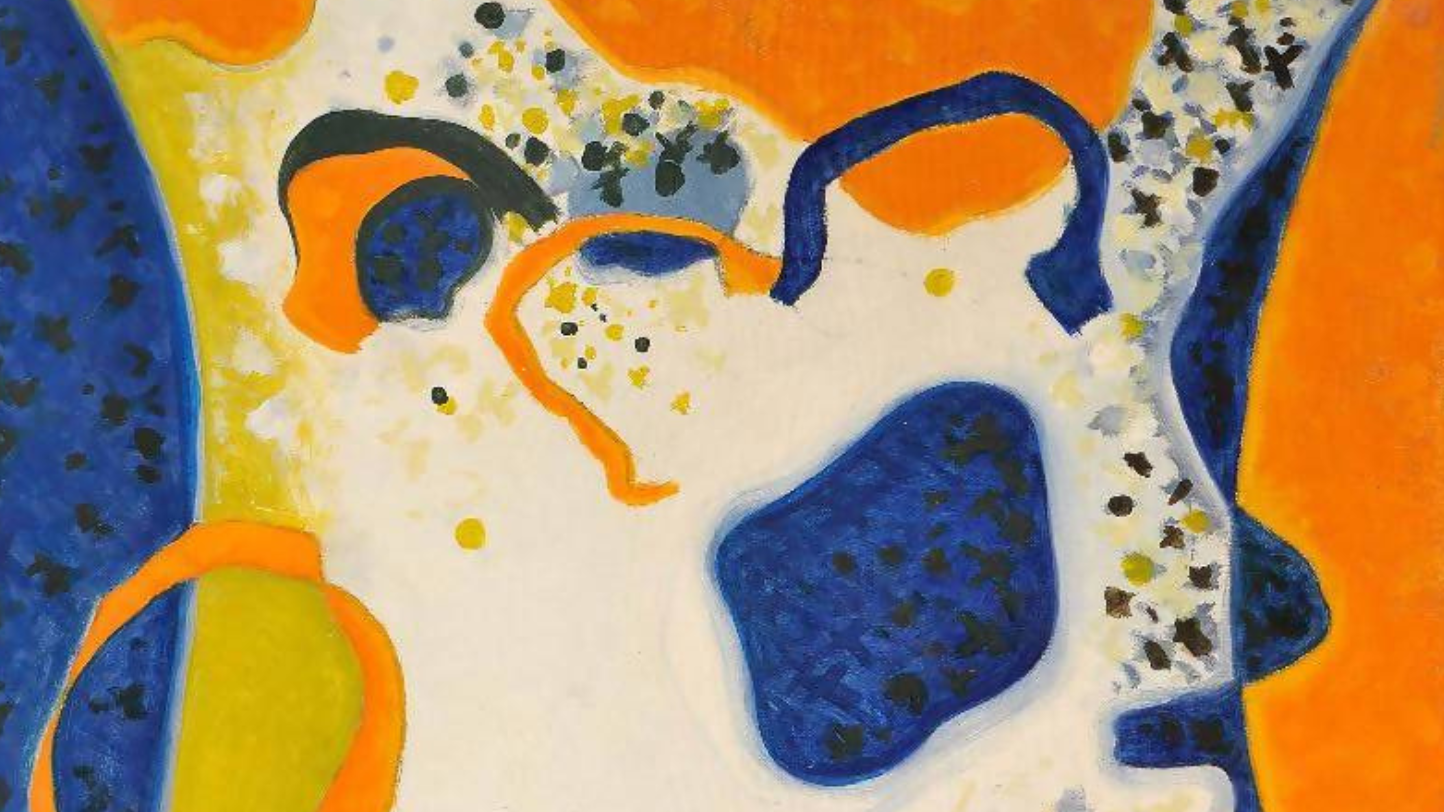
In 2021, the most expensive works of art sold at auction are predominantly by already well-known faces in this medium. Male artists of the 19th and 20th centuries lead sales: Femme assist près d'une fenêtre (Marie-Thérèse) ofPablo Picasso, 1932; In This Case inJean-Michel Basquiat (1983); portrait of a young man holding a roundel by Sandro Botticelli;At the. 7 inMark Rothko (1951); Le Nez inAlberto Giacometti,(1947) and Oxen huts parmi les oliviers et cyprès inVincent van Gogh (1889). At P55 we see the new artists, who have beenaddresses the need for social and ecological to set the stage, yet remainthe popular faces of 20th century Portuguese art to lead. Discover the most expensive works sold on our platform in 2021.
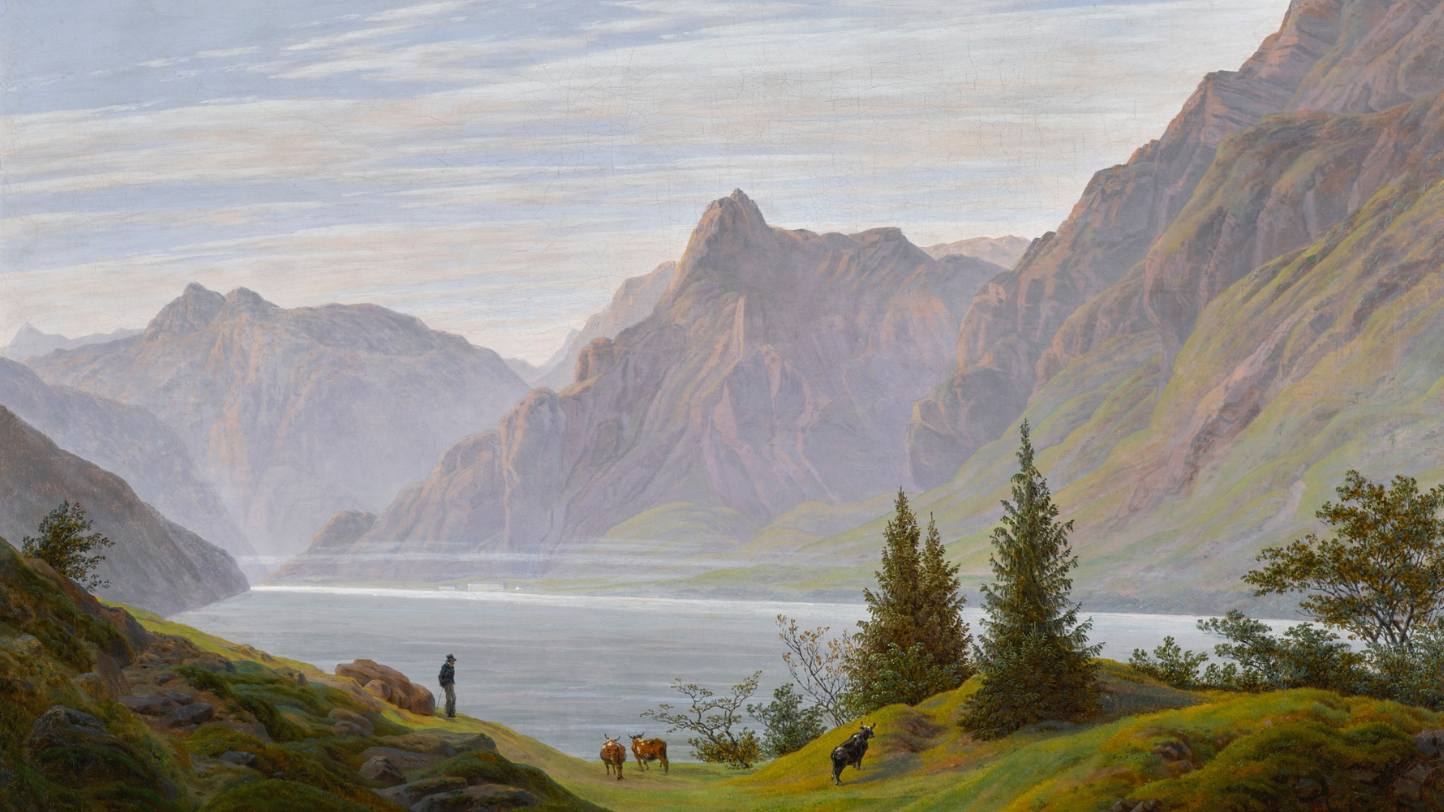
The 11th of December is celebrated annually as International Mountain Day. The purpose of this day is to raise awareness of the conservation of mountains, taking into account their role in ecosystems. To celebrate this day, we highlight five artists famous for their landscape-themed paintings.