
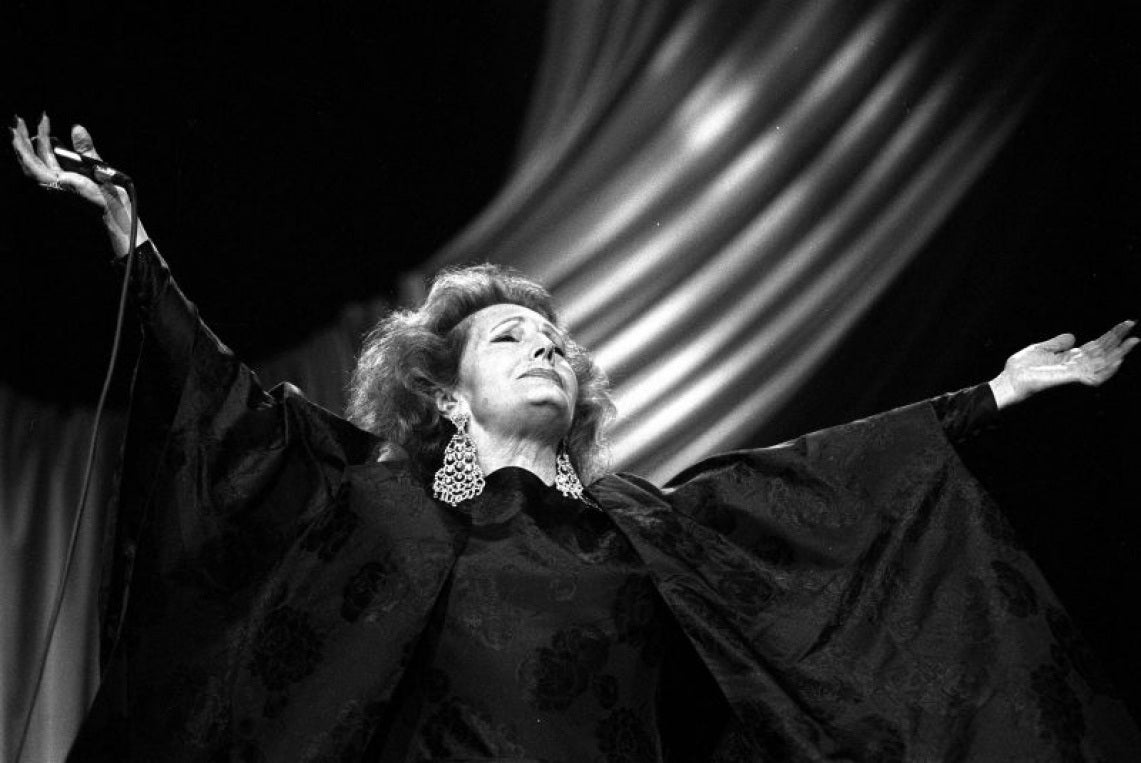
fado singer and actress, Amália Rodrigues, dFrom an early age he showed a taste for singing, having his professional debut in 1939. It quickly became a success, being headliner in several venues. From the beginning of the 1950s, Amália Rodrigues performed several national but especially international tours,starting a career unmatched by any other Portuguese artist.Discover in this article seven little-known facts about one of the unavoidable figures in the history of Fado.
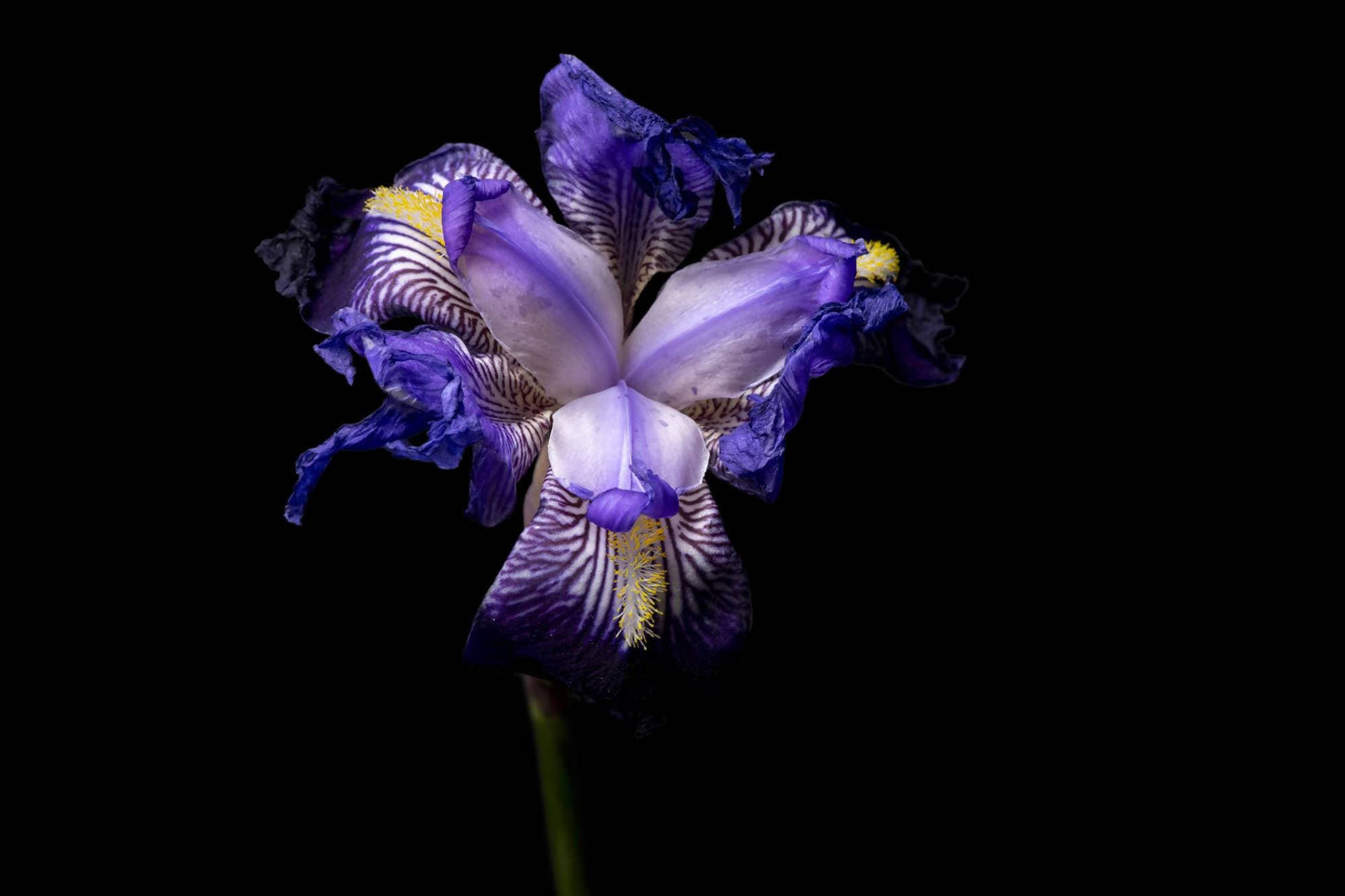
Photography emerged in the 19th century, a period in which painting and sculpture were the major forms of expression.From the 1970s onwards, with a greater incidence in the 1980s, the camera invaded the territory of Art, that is, cultural spaces such as museums and galleries, thus leaving practically in the background the documentary aspect of the representation of reality. While in the artistic world there was a certain uncertainty about this new machine, in the area of communication it was received as a great ally.To celebrate World Photography Day, P55 presents in this article five artists who have transformed the world art scene through their photographic representations.
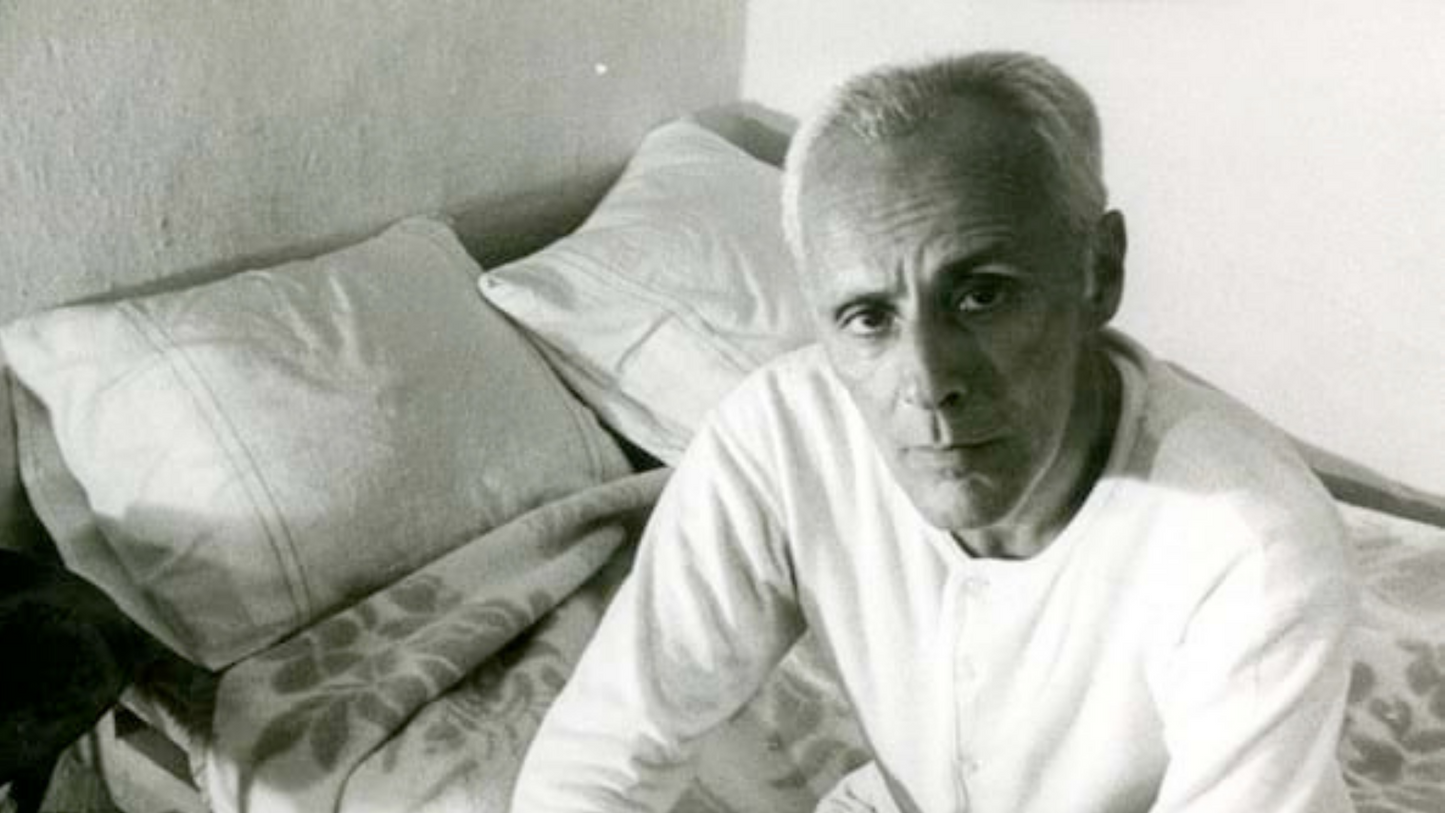
Militant and staunch supporter of the Surrealist movement, Mário Cesariny de Vasconcelos (1923-2006) wrote, painted and drew, in exactly this order, from the age of 19. His work, both poetic and plastic, contributes to the construction of contemporary history. The painter stood out in the artistic panorama by rejecting any technical and formal concerns, having been the first to create a surrealist collage in post-war Portugal. His career was intense, with the two areas, visual arts and writing, continually interconnecting, as his poems gave rise to paintings and vice versa.Discover part of his vast poetic work through the five excerpts published in this article.
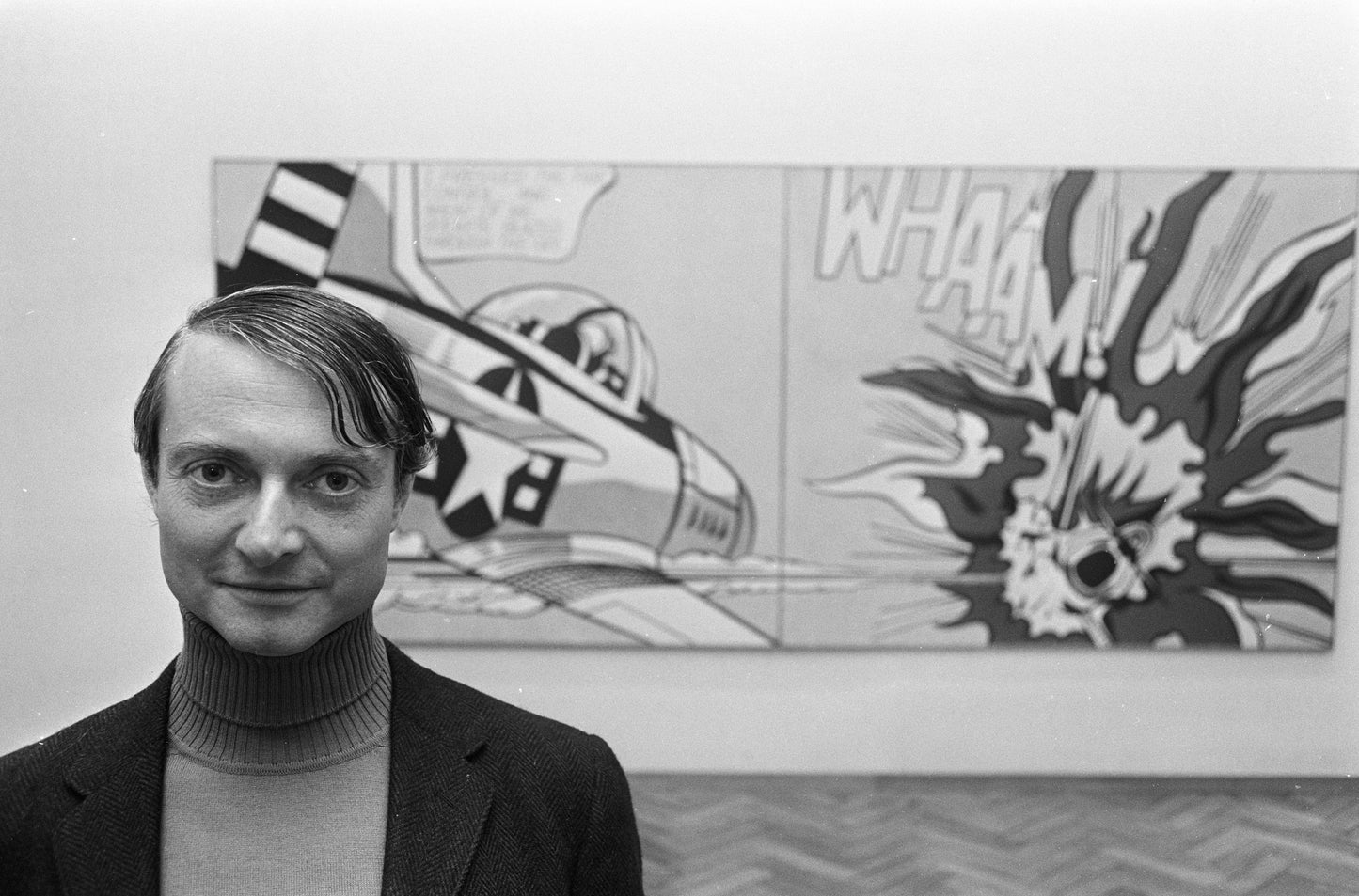
At the height ofAbstract Expressionism, the Pop Art movement emerged, with artists such as Andy Warhol and Jasper Johns, who created works about American popular culture and everyday life. It is in this movement that Roy Lichtenstein gained prominence and became one of the most famous artists. His works on mass culture and capitalism were developed in a more positive light compared to his colleagues. Currently, his works break records in the art market, with the sale ofNurse 1964, for $95.4 million at a Christie's auction in the fall of 2015. Discover seven little-known facts about the artist who created the iconic works in this article. Whaam!It isDrowning Girl.
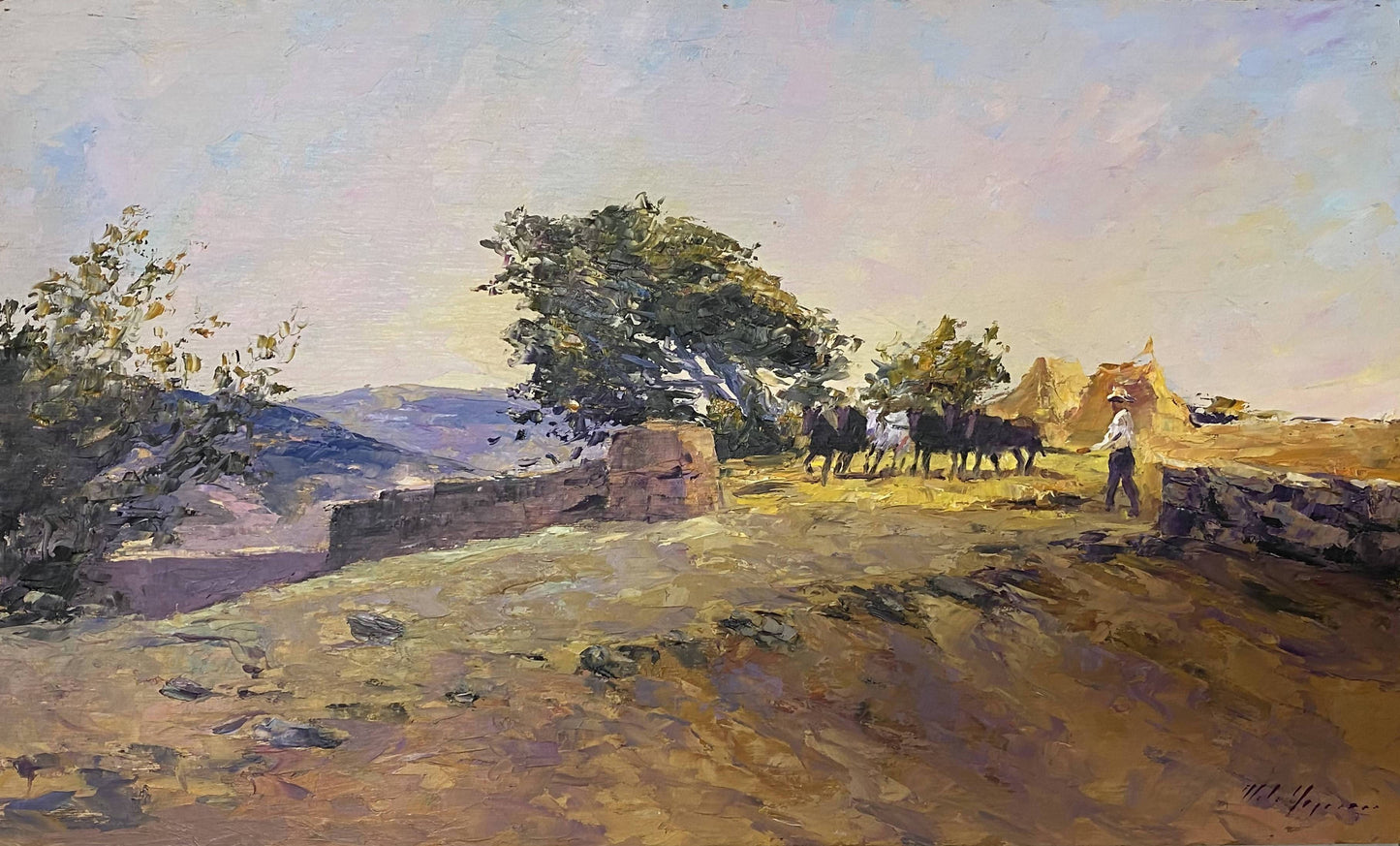
The representation of the landscape, that is, of the observed territory, is a constant throughout the history of art, its relevance being notable for telling the history and memory of spaces. Without ever forgetting their origins, many artists have come to represent Portuguese traditions in their paintings, influenced by the impressionists and naturalists such as Silva Porto and Carlos Reis, among others. In a particular and harmonious way, these artists have built a path from north to south, on the beauty of Portuguese landscapes, whether urban or rural. Travel, without leaving your home, along the paths of Portugal, based on the works of these seven artists and discover the particularities of the spaces represented.
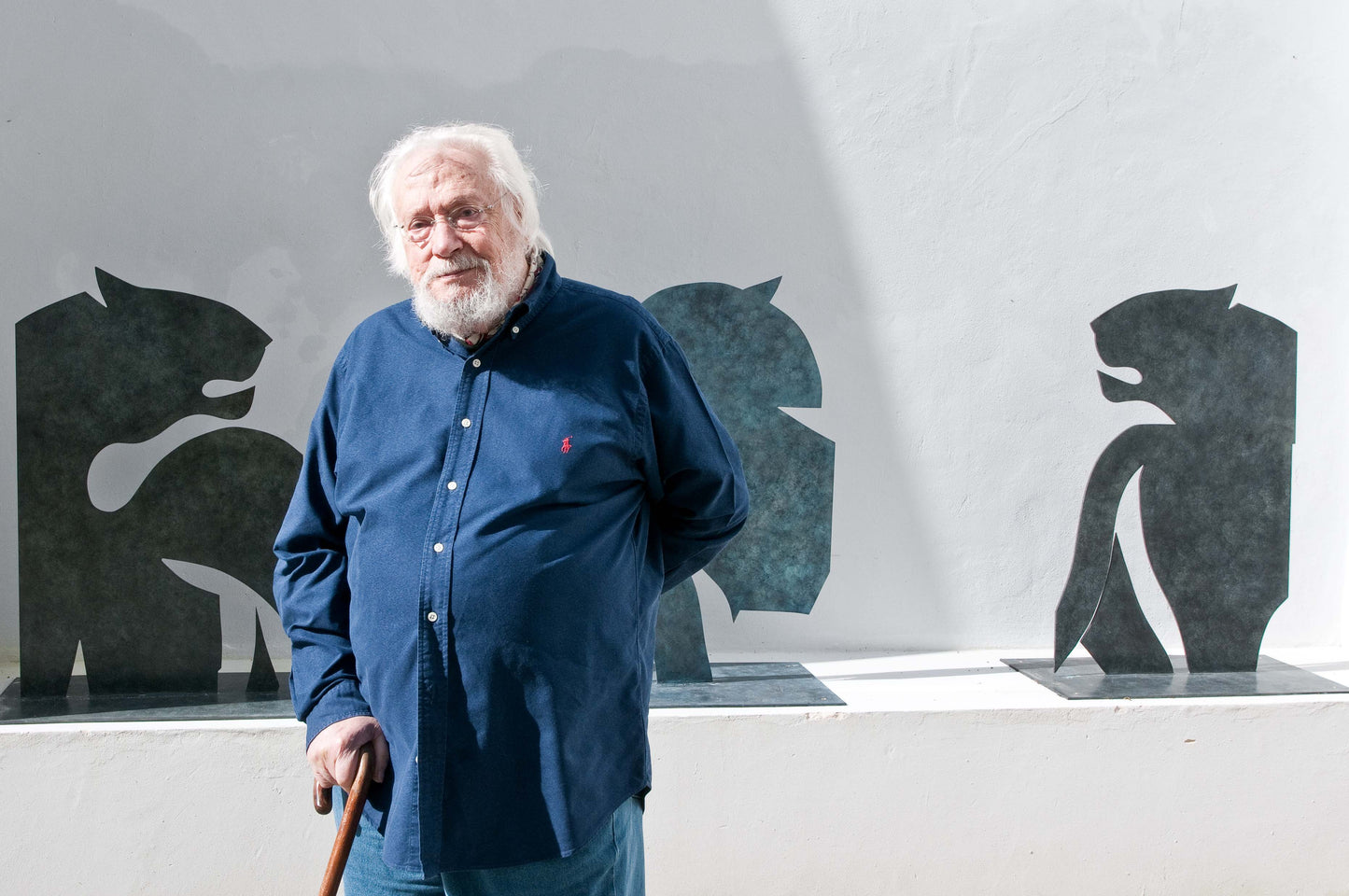
Júlio Pomar was one of the artists with the greatest impact on the Portuguese arts of the 20th century, since the beginning of his career.For seven decades it managed to constantly reinvent itself, whether in the techniques and means used or in artistic movements. Among modern Portuguese painters, Júlio Pomar is one of the few — as Paula Rego — whose figuration, not only human, is the main theme. Many were the animals portrayed by Júlio Pomar: the pig, the monkey, the tiger, the crow, the elephant, the giraffe, the deer, the turtle, the bull, the cat, the horse, the dog, the lobo, the goat and the goat, the seagull and the fly. In this article we will approach how these were represented in the different artistic typologies.
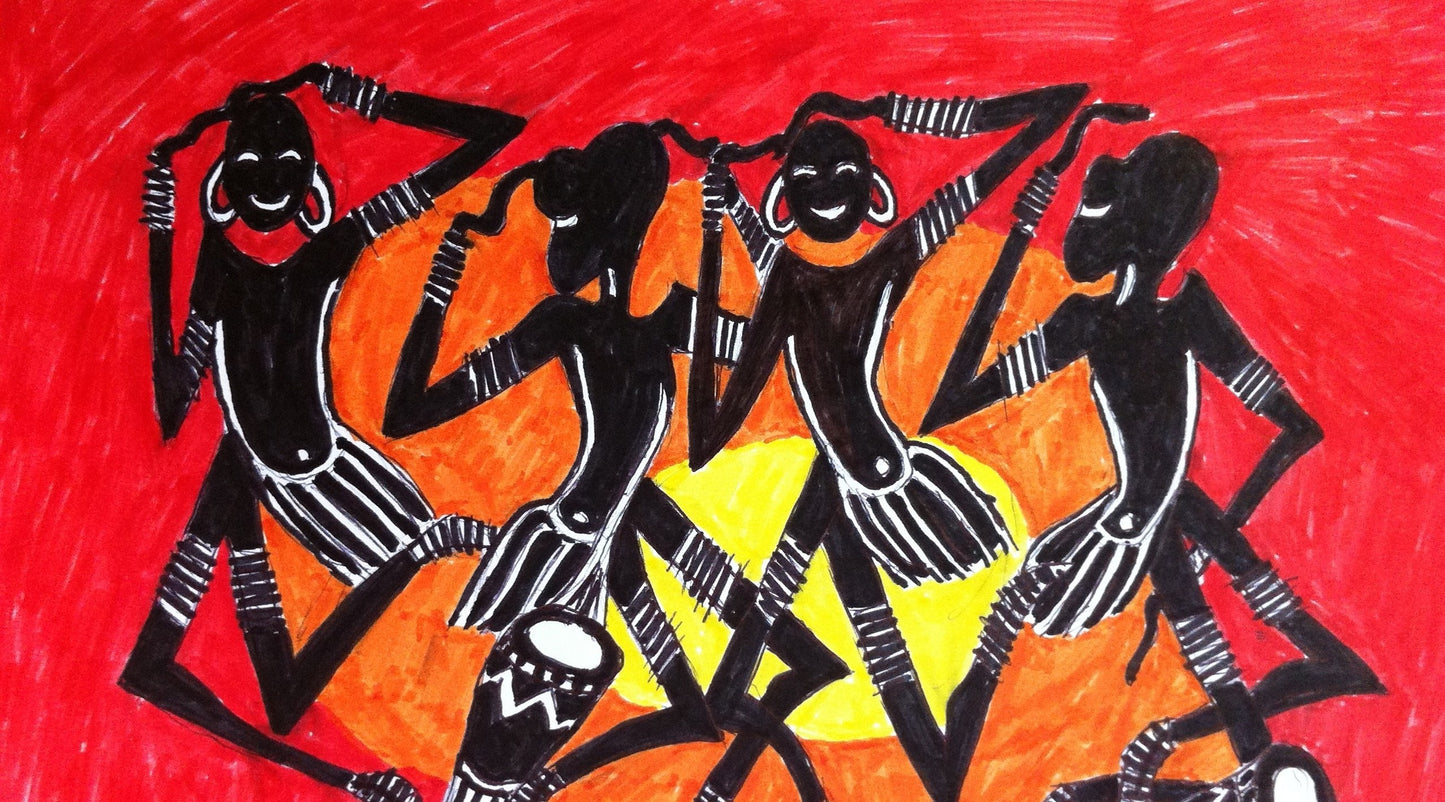
Nelson Mandela Day is celebrated on July 18, as a way to honor the life and legacy of one of the important leaders against the Apartheid regime. As a way to celebrate this special day, we present African artists,many of them self-taught, who cThey managed to build a renowned career, and their works are currently present in numerous museums and private collections around the world. Discover in this article the life and professional practice of these five artists who changed the art scene through their works.
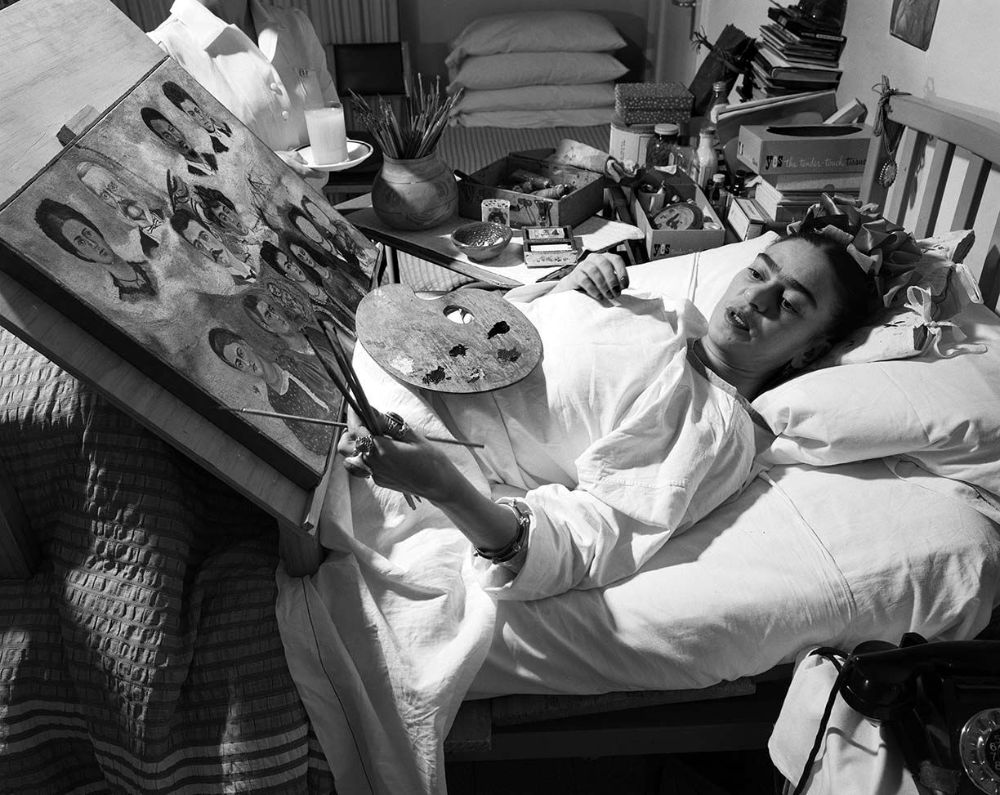
the mexican artist Frida Kahlo marked history due to his magnificent self-portraits with a strong dimension that influenced the vision of thefeminism, homosexuality and Mexican culture around the world. With vibrant colors involved in Latin cultural traits, the painter portrayed the events of her life, her relationships, suffering, intimate female issues such as abortion, in addition to her political and cultural convictions. This article explores the intense life of one of the most important Mexican painters of the 20th century,from ten paintings.
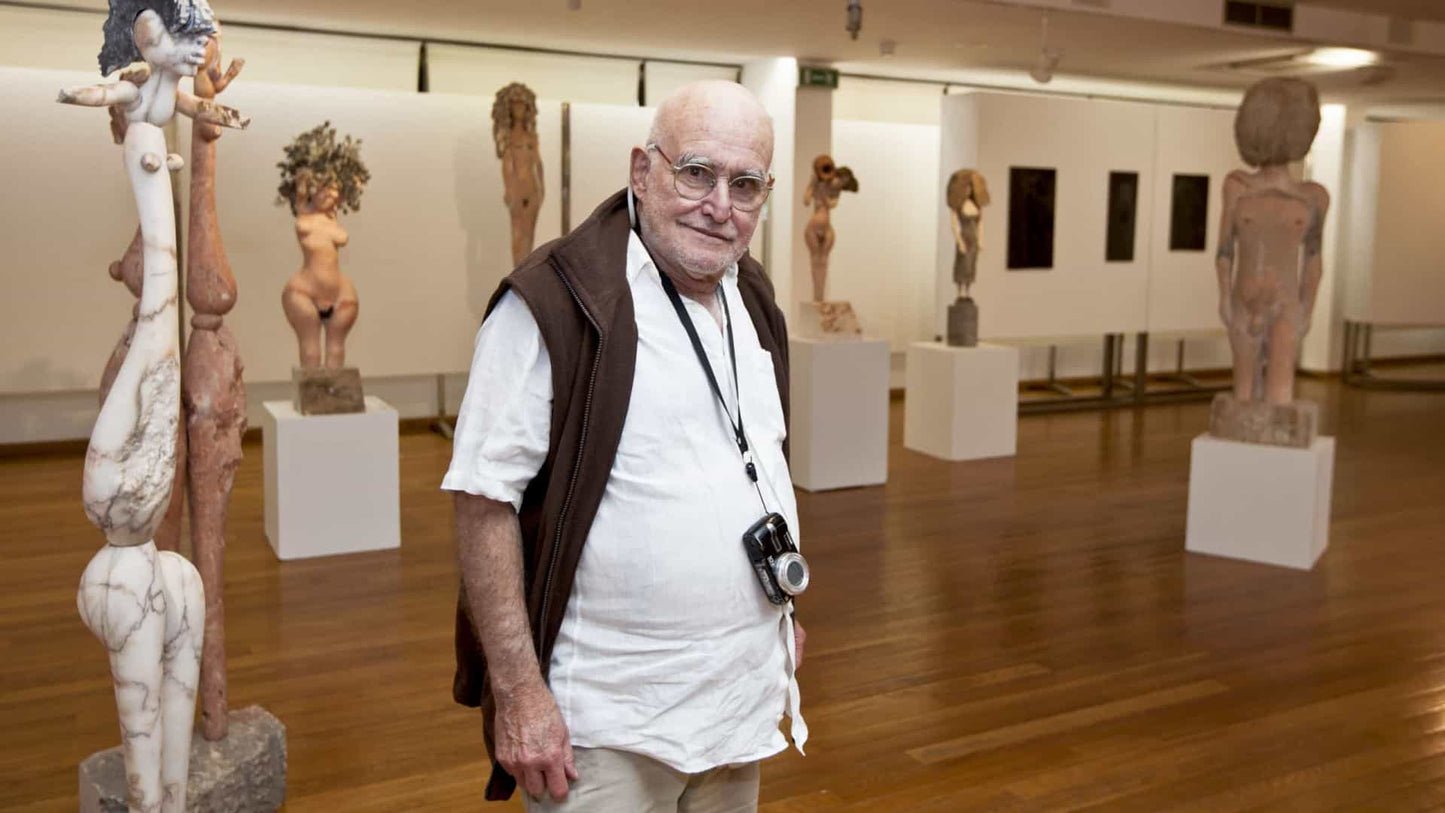
The artist João Cutileiro profoundly marked sculpture and the very identity of the history of Portuguese art, by reinventing the means of production. In 1966, the artist introduced electric stone-cutting machines to his production, which allowed him to dedicate himself exclusively to marble. Through the use of this element João Cutileiro went beyond academic statuary and built a new language. In this article we will address one of the themes that the artist remained faithful to, girls, in order to understand how the artist awakened the beauty of the female body by expressing instinctive pleasures.
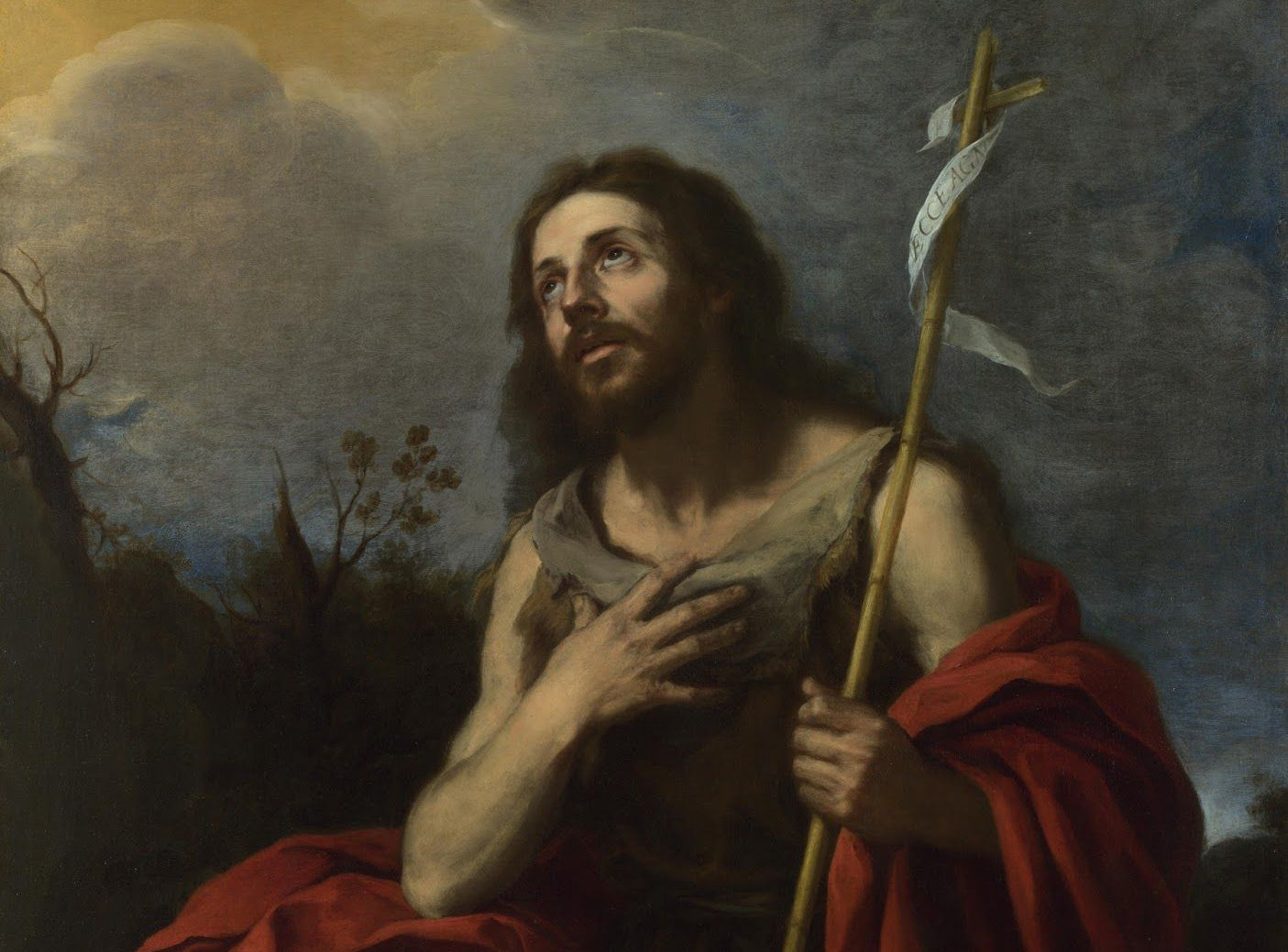
Every year, on the 24th of June, São João is celebrated, a popular festival of the Catholic religion. According to the gospels, Saint John the Baptist was a Jewish preacher who was born in Ein Kerem, in Judea, in the year 2 BC Over the centuries, a diverse number of artists represented the episodes of his life, the most popular being the baptism of Jesus Christ and his beheading. In order to expose key moments in the life of Saint John the Baptist, this article contains fifteen pieces by various artists, who contributed to the abundant collection of works of art about this saint.
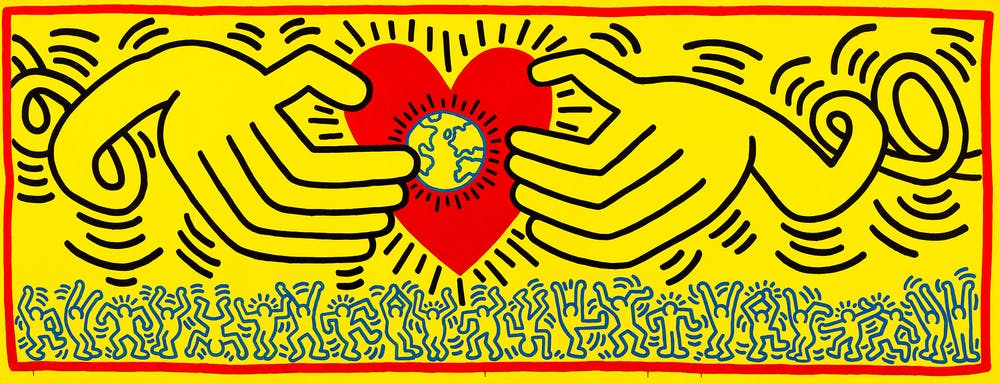
Over the centuries, art has been a vehicle for communicating experiences, stories, in addition to being a form of expression of identity, of a person or a culture.Currently, the LGBTQI+ community is gradually gaining greater visibility and being more accepted. From the 20th century to the present, several artists have used art as a means of expression to bring about a change in social perception. Discover in this article, seven artists who conceived, through their identity and artistic production, an increase in the visibility and liberation of the LGBTQI+ community.
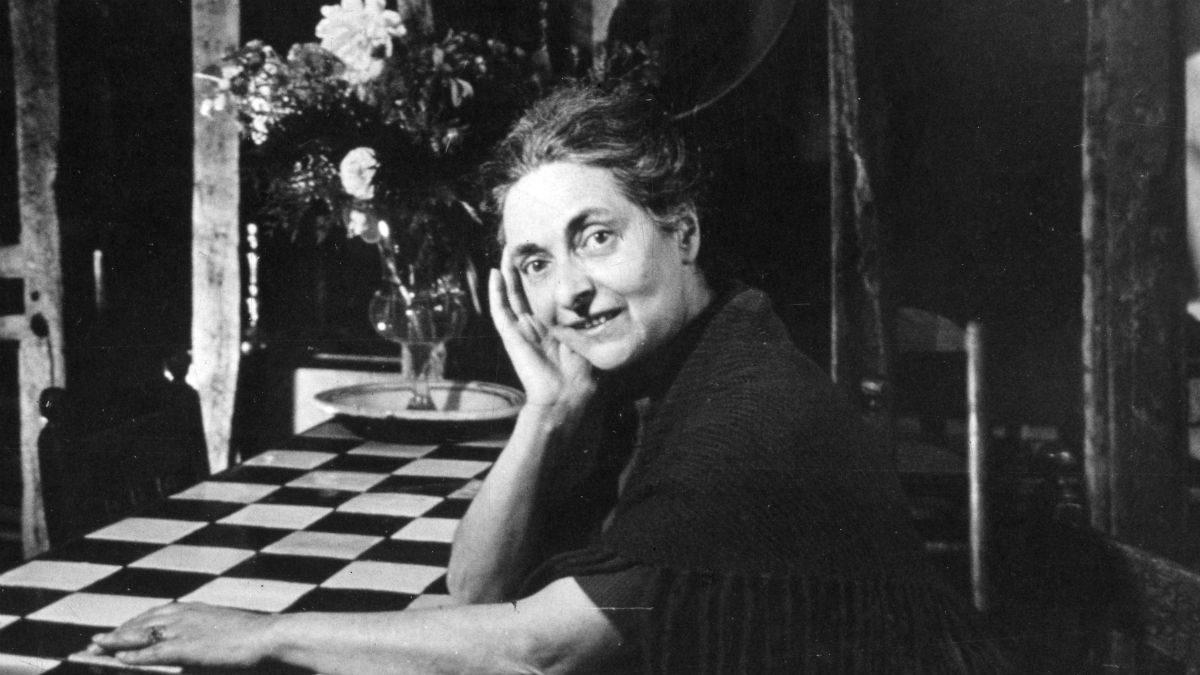
Through her works ranging from the figurative to the abstract, Maria Helena Vieira da Silva marked the history of Portuguese and international art. His career, which started in Paris, was associated with his versatility, with a set of works ranging from painting, sculpture, tapestry, to illustration and scenography. With a great respect for the purity of selected means of expression and through her original geometric compositions, she became one of the most celebrated abstract artists in Post-War Europe. This week, P55 presents the fascinating world of Maria Helena Vieira da Silva by revealing five little-known facts about his life.
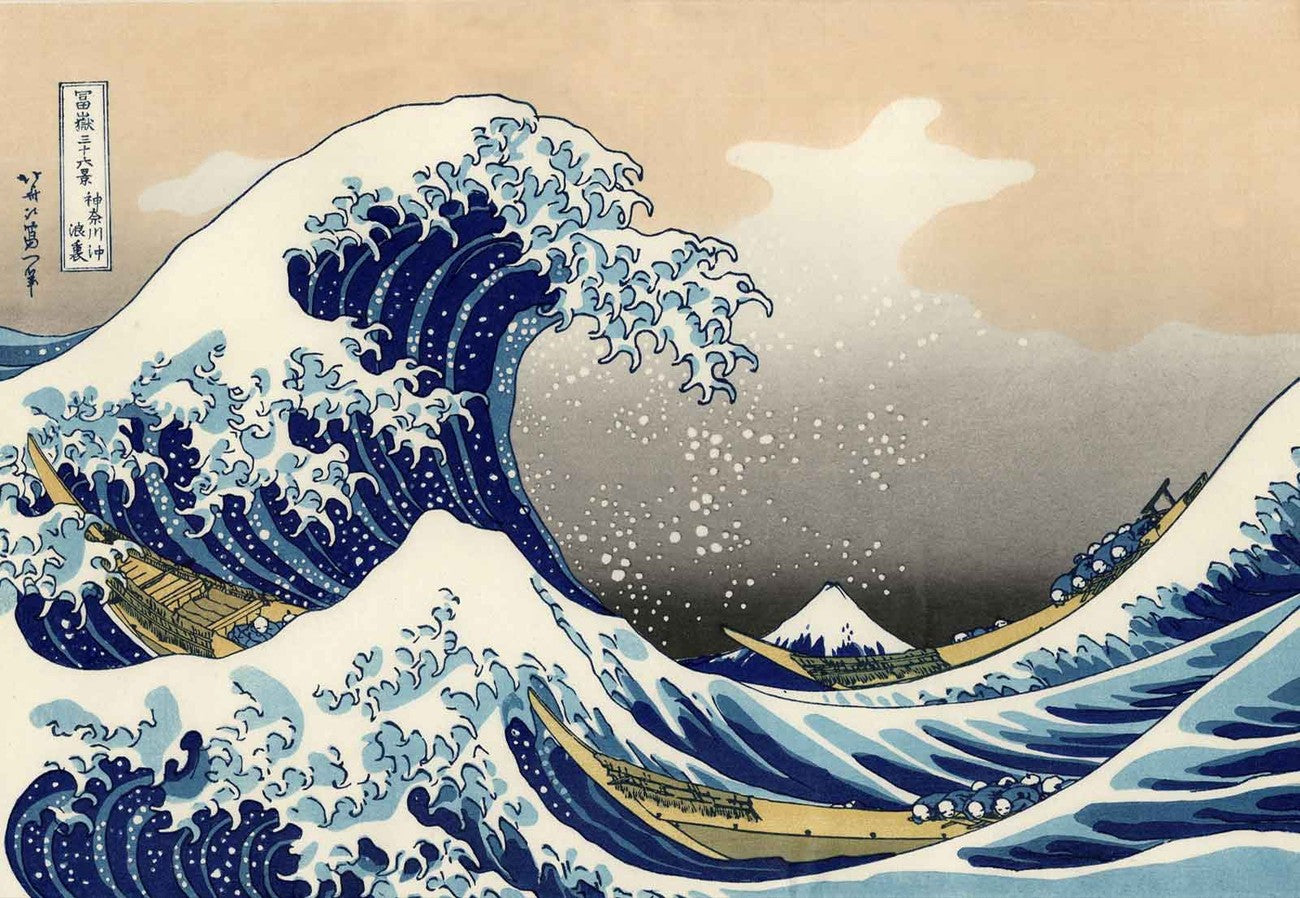
World Oceans Day is celebrated on June 8, to remember the importance of these in the daily lives of all of us. From Monet to Katsushika Hokusai, countless artists have created works about the great oceans of this world. Due to their extraordinary relevance, these have become true references in the history of art. Discover in this article a selection of artists who are inspired by this theme for the construction of their works.
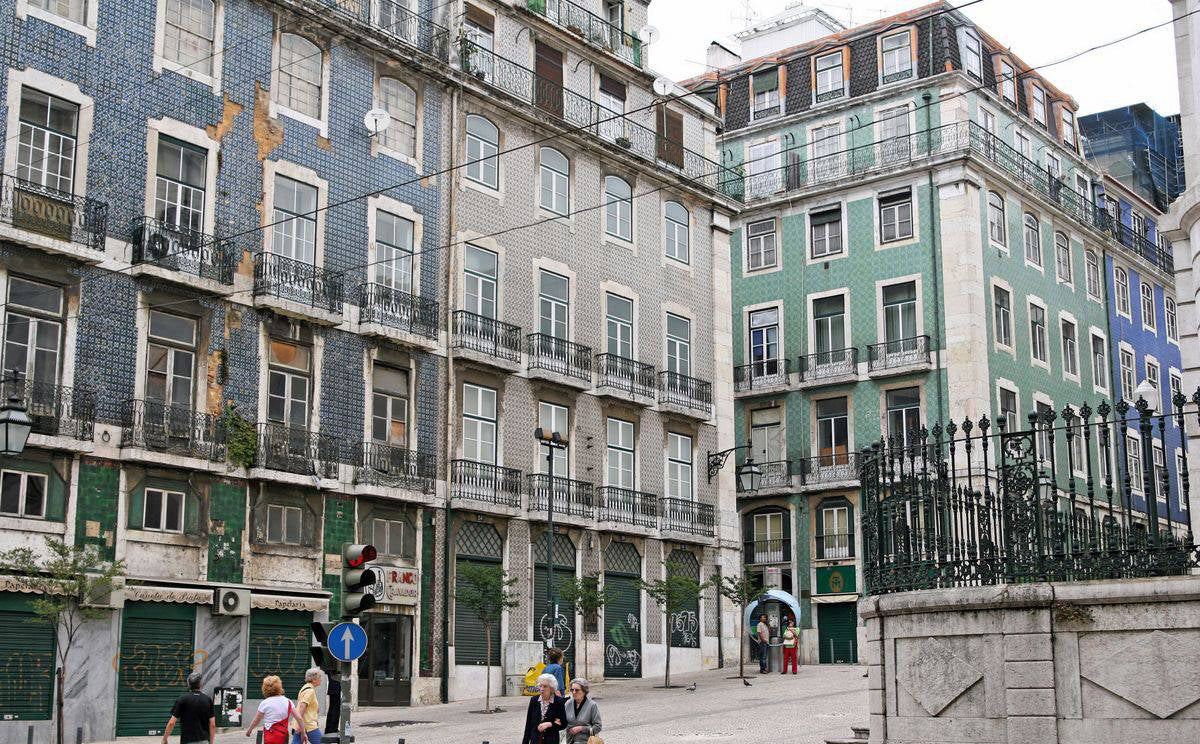
Azulejo is the Portuguese word for a square ceramic tile with one side decorated and glazed. It appeared more than five hundred years ago, with the influence of oriental culture, which decorated the walls of palaces and sacred spaces with mosaics. It has been a continuous and diverse technique applied in architecture, adapting to the demands of each era. Its uniqueness is evident compared to tiles from other countries, being a national phenomenon that helps build the country's collective memory unconsciously.