

Sale price
€210
Regular price €190João Hogan
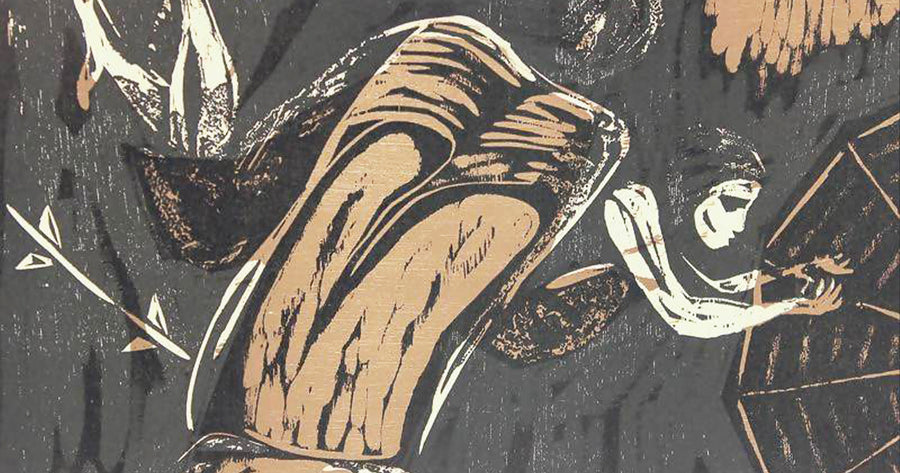
Untitled, 1970
Engraving on paper
Stain dimensions: 32.5 x 43.5 cm
Total dimensions: 38 x 56 cm
Frame dimensions: 51x52cm
No. 27/150
- Técnica
- Engraving · Paper
- Categoria
- Graphic Work
- Dimensão
- 52 × 51 cm
- SKU
- 51634120524103
Entrega estimada
Envio segurado com número de rastreio para Portugal Continental. Data estimada de entrega junto ao preço.
Envio expresso com seguro
Todas as obras são preparadas minuciosamente para o seu transporte e o envio inclui seguro de transporte. Preparada para transporte internacional.
Devolução gratuita
14 dias após receção. Contacte o apoio ao cliente para reembolso integral em 5 dias úteis.
Autenticidade garantida
Certificado de autenticidade incluído. Todos os nossos parceiros são profissionais e validados pela P55.ART.
Trustpilot 4.7
Mais de 500 reviews verificadas de colecionadores em Portugal e Europa.
Sale price
€210
Regular price €190
51634120524103
João Hogan
Untitled, 1970
Engraving on paper
Stain dimensions: 32.5 x 43.5 cm
Total dimensions: 38 x 56 cm
Frame dimensions: 51x52cm
No. 27/150
- Técnica
- Engraving · Paper
- Categoria
- Graphic Work
- Dimensão
- 52 × 51 cm
- SKU
- 51634120524103
Entrega estimada
Envio segurado com número de rastreio para Portugal Continental. Data estimada de entrega junto ao preço.
Envio expresso com seguro
Todas as obras são preparadas minuciosamente para o seu transporte e o envio inclui seguro de transporte. Preparada para transporte internacional.
Devolução gratuita
14 dias após receção. Contacte o apoio ao cliente para reembolso integral em 5 dias úteis.
Autenticidade garantida
Certificado de autenticidade incluído. Todos os nossos parceiros são profissionais e validados pela P55.ART.
Trustpilot 4.7
Mais de 500 reviews verificadas de colecionadores em Portugal e Europa.
Ver em cenário

ArtistaSeguir artista +
He was born in Lisbon on February 4, 1914, within a family of painters. Irish descent, he was the grandson of the Aguarelist Ricardo Hogan and nephew of the painter Álvaro Navarro Hogan.
He attended for one year (1930-31) the general course of the High School of Fine Arts in Lisbon. Dischemas of artistic education, he became self-deductible, exercising his vocation as a painter, along with his work as a joiner. In the year 1937 he became a student of Frederico Ayres and Mário Augusto in the night classes of the National Society of Fine Arts.
The first public presentation of his work was in 1942, in the modern art exhibition of S.P.N. in Lisbon. The first individual exposure was in the year 1951 in the National Society of Fine Arts, Lisbon. He elected the landscape as a predilect theme and interpreted it exhaustively throughout his artistic course.
He had in a first phase the great influence of Portuguese naturalists, Silva Porto, Columbano or Malhoa, but in a second moment he named as masters Van Gogh and Cézanne, noting in his work the geometrization of the landscape elements and the solidity in the structuring of the image. At the beginning of his journey he painted outdoors on the outskirts of the city of Lisbon or at the lowest edge, a method that was abandoned as he was working a more raw, less detailed, but also more imaginative and even fictitious landscape. In 1953 he integrated the Portuguese representation at the II Biennial of S. Paulo, Brazil and in 1957 participated in the 1st Exhibition of Plastic Arts of the Calouste Gulbenkian Foundation. Received 1st painting premium in the II Exhibition of Plastic Arts from the Calouste Gulbenkian Foundation, 1961 and the 1st Painting Prize Silva Porto, Sni, Lisbon, 1964. In the year 1957 he began in the engraving under the influence of William Hayter from whom He was a student. He was a founding partner of the cooperative society of Portuguese recorders in Lisbon, where he gave several engraving courses, playing an important role in the formation of the younger generations. His work is enormous diversity.
He is represented in several collections and museums, namely at the National Museum Soares dos Reis, Porto, Chiado Museum and Modern Art Center of the Calouste Gulbenkian Foundation in Lisbon. He died in Lisbon in 1988. Four years later in 1992 he was honored with an anthological exhibition at the Modern Art Center of the Calouste Gulbenkian Foundation.
He died in Lisbon on 16 June 1988.
He attended for one year (1930-31) the general course of the High School of Fine Arts in Lisbon. Dischemas of artistic education, he became self-deductible, exercising his vocation as a painter, along with his work as a joiner. In the year 1937 he became a student of Frederico Ayres and Mário Augusto in the night classes of the National Society of Fine Arts.
The first public presentation of his work was in 1942, in the modern art exhibition of S.P.N. in Lisbon. The first individual exposure was in the year 1951 in the National Society of Fine Arts, Lisbon. He elected the landscape as a predilect theme and interpreted it exhaustively throughout his artistic course.
He had in a first phase the great influence of Portuguese naturalists, Silva Porto, Columbano or Malhoa, but in a second moment he named as masters Van Gogh and Cézanne, noting in his work the geometrization of the landscape elements and the solidity in the structuring of the image. At the beginning of his journey he painted outdoors on the outskirts of the city of Lisbon or at the lowest edge, a method that was abandoned as he was working a more raw, less detailed, but also more imaginative and even fictitious landscape. In 1953 he integrated the Portuguese representation at the II Biennial of S. Paulo, Brazil and in 1957 participated in the 1st Exhibition of Plastic Arts of the Calouste Gulbenkian Foundation. Received 1st painting premium in the II Exhibition of Plastic Arts from the Calouste Gulbenkian Foundation, 1961 and the 1st Painting Prize Silva Porto, Sni, Lisbon, 1964. In the year 1957 he began in the engraving under the influence of William Hayter from whom He was a student. He was a founding partner of the cooperative society of Portuguese recorders in Lisbon, where he gave several engraving courses, playing an important role in the formation of the younger generations. His work is enormous diversity.
He is represented in several collections and museums, namely at the National Museum Soares dos Reis, Porto, Chiado Museum and Modern Art Center of the Calouste Gulbenkian Foundation in Lisbon. He died in Lisbon in 1988. Four years later in 1992 he was honored with an anthological exhibition at the Modern Art Center of the Calouste Gulbenkian Foundation.
He died in Lisbon on 16 June 1988.
Precisa de ajuda?


 Telefone
Segunda a Sexta, 09:30 - 19:00 GMT +1
+351 934 239 608 (chamada para rede móvel nacional)