
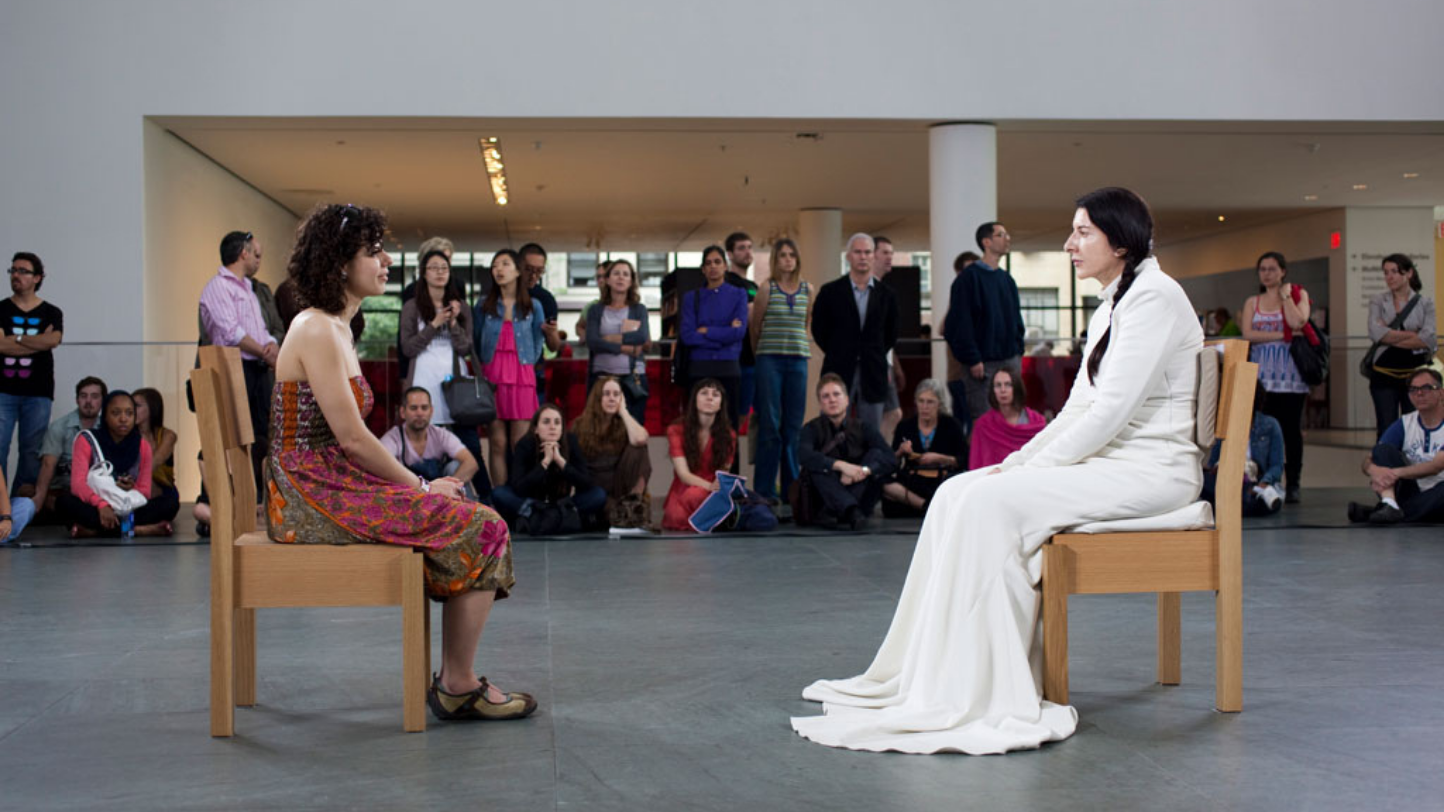
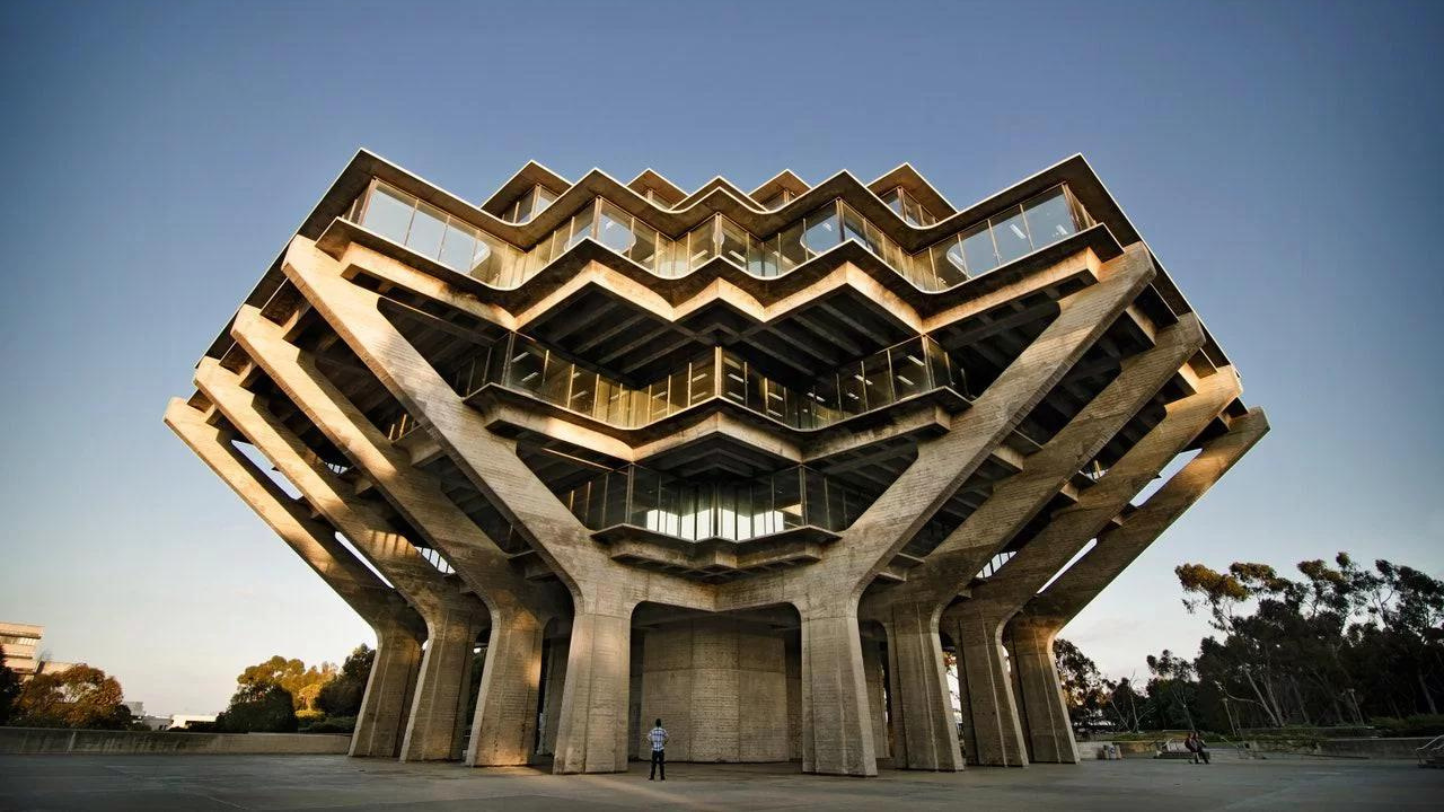
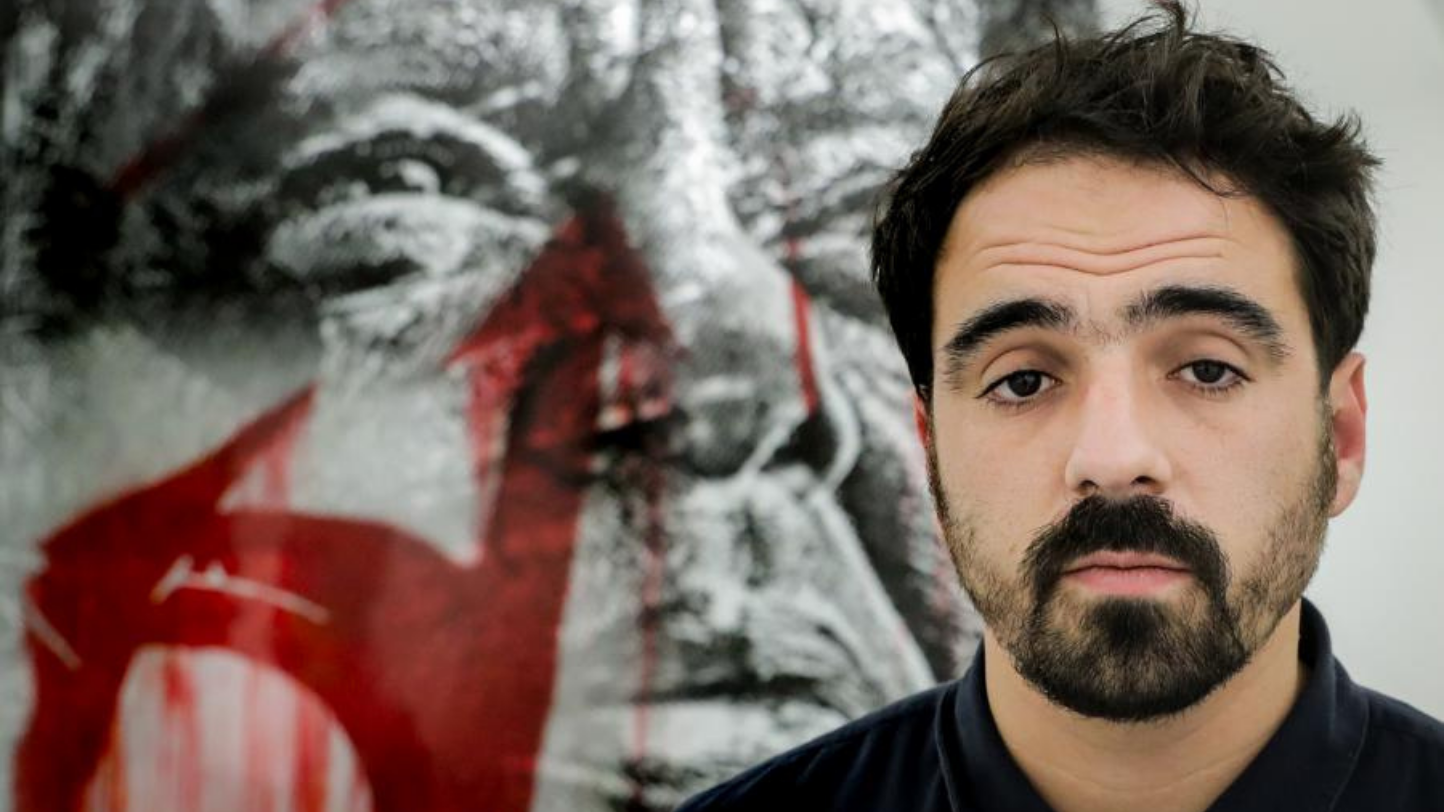

Este quiz interativo explora a ligação entre personalidade e estilos de arte contemporânea, ajudando a identificar que tipo de expressão artística melhor reflete a forma de ser de cada pessoa. Através de uma abordagem acessível e informativa, o artigo apresenta diferentes estilos artísticos — da arte abstrata à conceptual — e explica como o gosto visual pode revelar traços emocionais, criativos e intelectuais. Um conteúdo pensado para aproximar novos públicos da arte e incentivar a descoberta consciente de obras e artistas.

Descobre cinco técnicas de aguarela para explorar este ano, desde molhado sobre molhado e washes até efeitos especiais com sal e álcool. Aprenda dicas práticas para aprimorar a tua técnica e criar obras únicas, cheias de cor, luz e textura.


Aprender a olhar para uma obra de arte é muito mais do que ver; é questionar, sentir e interpretar. Descubra como analisar um quadro passo a passo, com perguntas essenciais que ajudam a compreender formas, cores, temas e significados, e transforme o seu olhar em experiência crítica e sensível.


Descubra como identificar diferentes técnicas de pintura, desde óleo e acrílica até aguarela, pastel, guache e fresco. Aprenda a reconhecer texturas, cores, transparência e estilos de grandes artistas.


Descubra como começar a sua coleção de arte urbana na P55.art com obras originais, autênticas e cheias de personalidade.

Descubra como identificar uma edição limitada autêntica, analisando numeração, certificados, qualidade e sinais de alerta antes de investir.

Descubra as principais técnicas de pintura a óleo e aprenda como começar a colecionar arte. Guia completo para iniciantes, com dicas sobre artistas, conservação e investimento em obras de qualidade.

O mercado da arte, em Portugal e no mundo, tem sofrido mudanças significativas nas últimas décadas. Se antes a valorização se concentrava em nomes consagrados e galerias internacionais, hoje há um interesse crescente pelas vozes emergentes, especialmente no contexto local. Investir em obras de artistas emergentes portugueses não é apenas uma aposta financeira, mas também um gesto cultural, social e até político. É um ato que pode transformar carreiras, fortalecer a identidade artística do país e proporcionar retornos inesperados a médio e longo prazo.
Neste artigo, exploramos as razões que tornam este investimento tão relevante e promissor.

Aprenda a identificar gravuras de qualidade: técnicas, papéis, assinaturas, tiragens e dicas para reconhecer obras autênticas.